
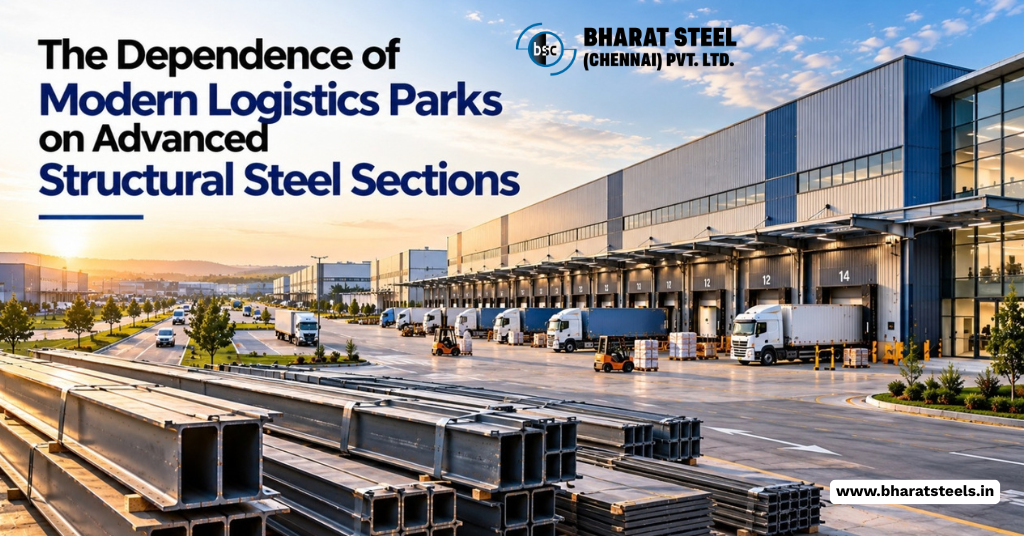
The rapid expansion of logistics and warehousing facilities is creating a growing demand for structural steel that can support large industrial buildings, wide spans and efficient internal layouts. For contractors and fabricators, meeting these requirements depends not only on the structural design but also on having access to the right sections in the required specifications and quantities.
This is where a dependable steel supply network becomes valuable. The ability to source the required material, coordinate quantities and support project schedules can make a significant difference when a large logistics facility is being developed.
For logistics park projects, where steel requirements can involve different sections, quantities and delivery stages, a well-coordinated supply process becomes an important part of project execution. The connection between structural requirements, sourcing and timely availability is what makes the structural steel supply chain an important consideration in the development of modern logistics facilities.
For contractors and fabrication teams developing these facilities, Bharat Steel Chennai supplies structural steel in Chennai for industrial and construction applications. Its product range includes beams, channels, angles and other structural sections used across a variety of steel fabrication requirements.
Why Logistics Projects Need a Well-Planned Steel Supply
The development of a large logistics facility requires careful coordination of steel components at every stage, from workshop preparation for on-site assembly. A delay in one part of this chain can affect activities that follow.
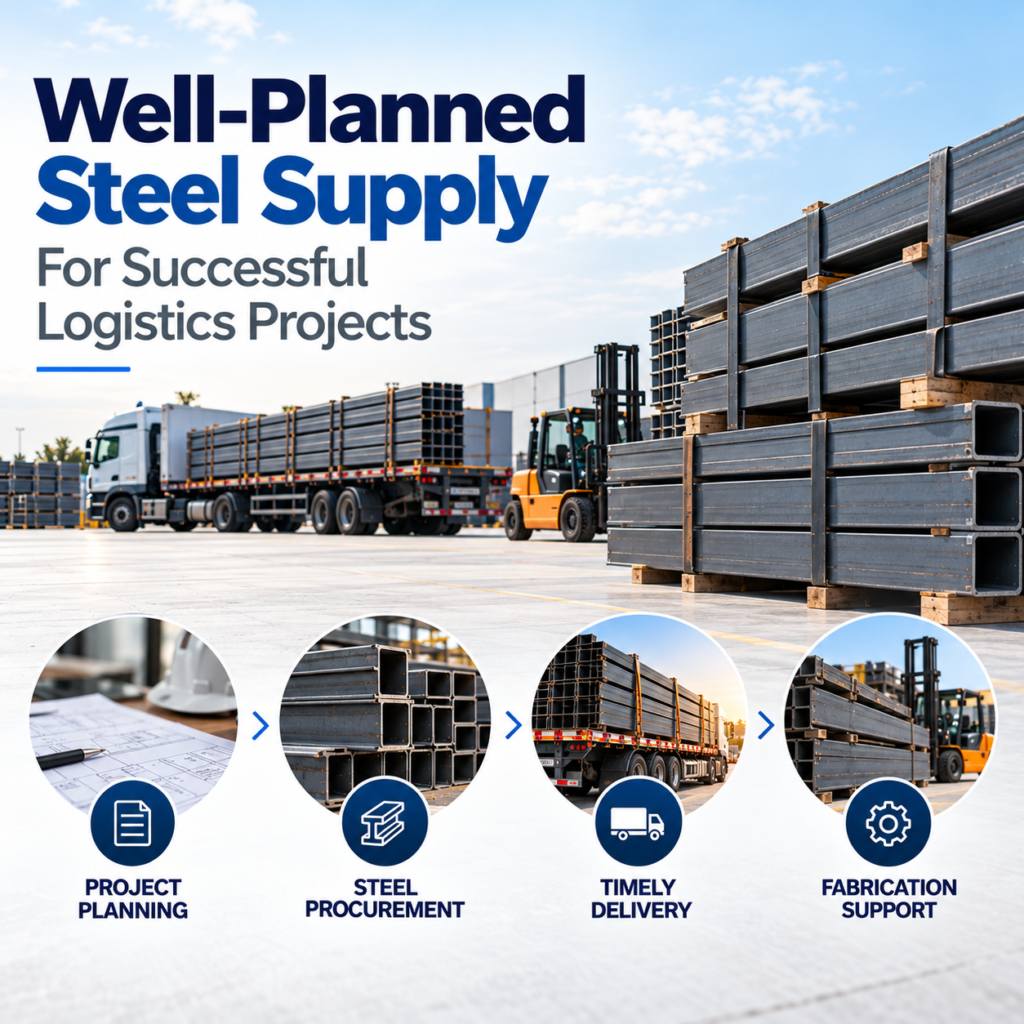
For contractors and fabricators, this means purchasing decisions need to be aligned with drawings, fabrication schedules and expected site progress. Material arriving too early can create unnecessary handling and storage, while late arrivals can interrupt planned work.
A supplier who understands these practical requirements can contribute beyond simply processing an order. Coordination between the buyer, supplier and fabrication team helps create a smoother flow from purchase to project execution.
The Role of Structural Steel Sections in Large Clear Spaces
Structural steel sections can provide the strength and geometry required to create these large spans while keeping the structural arrangement efficient. Depending on the design, different sections may be selected for primary framing, secondary members and areas carrying concentrated loads. This flexibility gives engineers more options when developing the structural system. Instead of treating every part of the building in the same way, the framing can be planned around the loads, dimensions and functions specific to each zone.
The structural framework forms the foundation of a logistics park, but the completed facility also depends on an effective building envelope. Once the main frame is established, roofing systems have to protect the large internal areas from weather exposure while supporting the functional requirements of the facility.
Roofing sheets, purlins, fasteners and related components therefore become important during the later stages of industrial construction. For logistics parks and large commercial facilities, Crayon Roofings provides roofing solutions including metal roofing sheets, purlins, roofing screws and related products.
Why Section Selection Matters More Than Simply Choosing Larger Members
A larger steel member is not automatically a better structural solution. The selection must consider span, loading, connection requirements, deflection limits, fabrication and the overall arrangement of the frame.
Using an unnecessarily heavy section can increase material consumption and handling requirements without providing a meaningful benefit. On the other hand, selecting a member without properly considering the design conditions can create limitations elsewhere in the structure.
For large logistics facilities, engineering efficiency therefore depends on choosing sections that are appropriate to their actual role. This is where structural design and steel procurement need to work together rather than being treated as separate activities.
Longer Spans Create More Usable Space
One of the major advantages of structural steel in logistics construction is its ability to create large unobstructed areas.
This becomes particularly useful in facilities where internal space is occupied by storage racks, handling systems, vehicles and equipment.
Fewer unnecessary interruptions within the operating area can make the layout more flexible. It can also allow storage and movement systems to be arranged according to operational requirements rather than being restricted by numerous internal supports.
For a logistics operator, this can have a direct connection with how efficiently the building can be used.
Clear Height Has Become an Operational Requirement
Modern warehouses are increasingly making use of vertical space.
High-bay storage systems can accommodate substantially more goods within the same footprint, while automated retrieval systems can operate at considerable heights.
High-volume distribution centres need a structural layout that accommodates automated handling systems, tall storage racks and the demands of continuous goods movement.
Selecting suitable steel members requires balancing load-bearing requirements with the space, layout and operational needs of a logistics facility.
Supporting Contractors and Fabricators
Contractors and fabrication companies often work under tight schedules. Their performance depends not only on their own capabilities but also on the reliability of the material channels supporting their work.
A steel supplier that understands fabrication-oriented purchasing can help simplify this connection. Clear communication, organised dispatches and the ability to respond to changing quantities can support the workflow without becoming an additional complication for the project team.
For logistics parks, where construction activity can involve several teams working simultaneously, this coordination becomes increasingly valuable.
Procurement Has to Follow the Construction Sequence
Large logistics facilities can involve substantial quantities of steel, but not every requirement reaches the fabrication floor at the same time.
Material may be needed in stages according to fabrication schedules and erection sequences. Changes in drawings or project progress can also affect quantities and delivery requirements.
For this reason, procurement must be coordinated with the actual progress of the project.
A dependable source can help fabricators and contractors manage these requirements more effectively, particularly when additional quantities or subsequent deliveries are required during execution.
Why Modern Logistics Parks Need More Than Conventional Thinking
The logistics industry is changing quickly. E-commerce, organised distribution networks, automated handling and regional fulfilment centres are creating facilities with increasingly specialised operational requirements.
The buildings serving these operations have to respond accordingly. Larger spans, greater internal heights, equipment integration and future adaptability are no longer isolated design considerations. They are becoming part of the overall planning process.
Structural steel sections sit quietly within this transformation. Their importance may not be visible once a logistics park is complete, but the decisions made about section selection, framing and sourcing can influence how effectively the facility performs for years.
From Structural Steel Supply to Industrial Building Execution
The structural steel requirement is only one part of developing a modern logistics facility. Once the structural concept is established, the building system also needs to accommodate large floor areas, clear internal spaces, efficient erection and the operational requirements of the facility. This makes the choice of construction system an important consideration alongside the steel sections being sourced.
For logistics parks and other large industrial facilities, Metfraa Steel Buildings provides pre-engineered building solutions that bring design, fabrication and site erection together as part of a coordinated building system. Its approach is suited to projects where construction speed, space utilisation and practical execution are important considerations.
When Steel Procurement Becomes Part of Project Planning
As logistics facilities become larger and more sophisticated, procurement can no longer be viewed as an activity that happens separately from construction planning.
Material decisions influence fabrication schedules, storage arrangements, transportation and site execution. When these elements are considered together, purchasing teams can respond more effectively to the actual needs of the project.
This is why the choice of steel supplier can become a strategic consideration for large industrial developments. The right supply relationship can help connect planning, purchasing and execution without adding unnecessary complexity.
What the Future Holds for Logistics Construction
The next generation of logistics parks is likely to demand even greater integration between building design and operations. Automation, higher storage densities, changing tenant requirements and increasingly sophisticated material-handling systems will continue to influence how these facilities are designed.
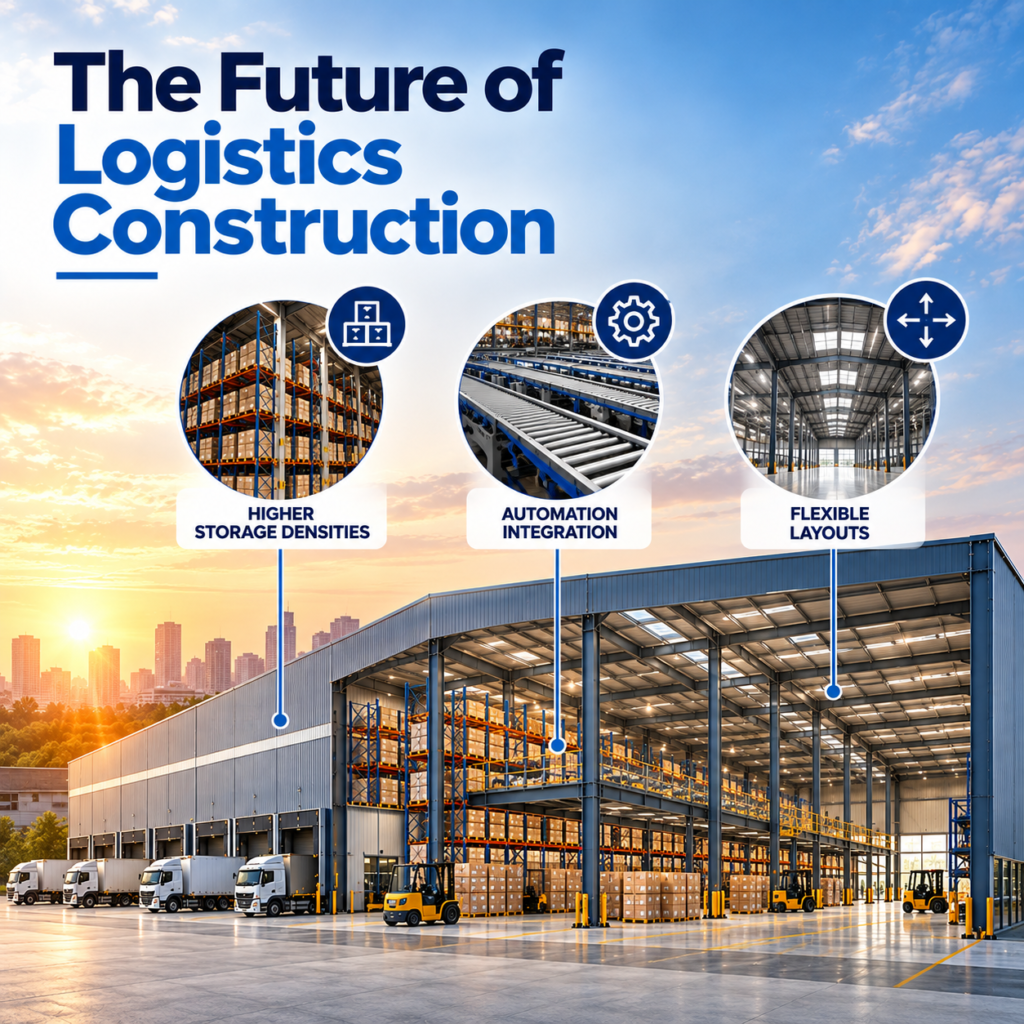
As a result, structural steel sections will need to be considered not only for their individual properties but also for how effectively they support the complete building system.
The most useful structural solution is not necessarily the one that exists only on the drawing. It is the one that can move efficiently through sourcing, fabrication and erection while delivering the space and performance the facility requires.
Conclusion
The dependence of modern logistics parks on advanced structural steel sections is not simply about the strength of the finished framework. It is about how effectively those members support the building’s purpose from the design stage through fabrication and erection.
Behind every large distribution facility is a chain of decisions involving engineering, purchasing, processing and delivery. When these stages remain connected, the transition from drawing to completed building becomes more manageable.
Planning a logistics park or industrial construction project? Contact us to discuss your structural steel requirements, including beams, channels, angles and other steel sections. Our team is ready to assist with your material specifications and supply needs.
Frequently Asked Questions
1.Why are structural steel sections important for modern logistics parks?
They provide the strength and open spaces needed for storage, vehicle movement and efficient warehouse layouts.
2. Why do modern logistics parks require advanced structural steel sections?
They support large spans, high ceilings and efficient space utilisation for modern storage and handling systems.
3. Which structural steel sections are commonly used in logistics park construction?
Beams, columns, channels and angles are commonly selected based on structural design and loading requirements.
4. Does Bharat Steel Chennai Pvt Ltd supply structural steel for logistics and industrial projects?
Yes. Bharat Steel Chennai Pvt Ltd supplies structural steel products for industrial and construction applications, supporting contractors and fabricators with sourcing and dispatch requirements for projects such as large industrial and logistics facilities.