
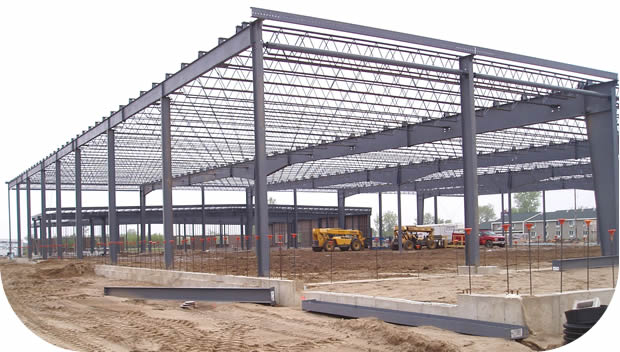
Construction projects require materials that can meet structural demands, support efficient execution and remain suitable throughout a building’s service life. Steel has become an important material in modern construction because of its strength, predictable engineering properties and ability to accommodate different structural designs. From industrial buildings and warehouses to commercial developments and infrastructure, steel supports a wide range of applications.
However, the value of steel extends beyond its ability to carry loads. Its performance depends on appropriate design, material selection, fabrication quality and protection against environmental conditions. Understanding these factors helps construction teams determine where steel offers practical advantages.
1. High Strength for Structural Applications
One of the main benefits of steel in construction is its ability to carry substantial loads relative to its weight. Structural steel sections, including beams, columns and channels, are designed to resist different forces within a building frame.
This strength makes steel suitable for structures that require large open areas, considerable building heights or long spans between supports. Warehouses, manufacturing facilities and commercial buildings can benefit from structural arrangements that provide usable space without placing columns at unnecessarily close intervals.
The actual performance of a steel member depends on its grade, cross-sectional dimensions, connection details and the loads considered during design. Selecting the appropriate section is therefore essential to achieving the intended structural performance.
2. Greater Design Flexibility
Steel can accommodate a wide variety of architectural and engineering requirements. Structural members are available in different shapes and sizes, allowing designers to develop frames suited to the building’s dimensions, intended use and loading conditions.
For example, an industrial facility may require clear space for machinery, material movement and overhead handling equipment. A commercial building may need an adaptable floor layout, while an infrastructure project may involve specialised structural arrangements.
Steel components can be designed and connected to meet these different requirements. This flexibility also makes steel useful when future extensions or modifications are being considered, provided the original design and subsequent changes are properly assessed by qualified engineers.
3. Faster and More Organised Construction
Many steel components can be manufactured or prepared away from the construction site while foundation work and other activities proceed separately. Once the supporting works are ready, the components can be transported and assembled according to the erection sequence.
This approach can reduce the amount of work that must be completed at the project location. It may also help contractors organise labour, lifting equipment and material handling more efficiently.
These advantages are not automatic. Design changes, delayed material deliveries, inaccurate measurements or incomplete foundations can still disrupt the programme. Careful planning and coordination are essential to realise the scheduling benefits of steel construction.
4. Consistent Material Properties and Quality Control
Steel is manufactured to defined grades and specifications, providing engineers and procurement teams with a basis for evaluating its suitability for structural use.
Material identification, inspection records and relevant test certificates help buyers verify that supplied products correspond to the specified requirements. During fabrication, dimensional checks and inspection of connections can help confirm that components match the approved drawings.
This level of control is particularly important for projects involving numerous structural members or multiple delivery stages. If the material grade, dimensions or connection details differ from the approved design, the resulting discrepancies may affect fabrication and installation.
Reliable quality management therefore involves more than selecting a supplier. It includes checking specifications, reviewing documentation and maintaining inspection procedures throughout the project.
5. Efficient Use of Space
Steel framing is often selected when a building needs open interiors, long spans or carefully planned circulation areas. Depending on the structural system, it can provide the required load-carrying capacity without relying on closely spaced internal supports.
This is useful in logistics facilities, industrial sheds, production plants and large commercial spaces where columns can interfere with equipment layouts, storage arrangements or vehicle movement.
The benefits must be evaluated alongside the building’s overall requirements. Span length, roof loading, wind forces, service installations and deflection limits all influence the design. An efficient structural layout is one that balances usable space with safety, stability and material requirements.
6. Adaptability for Expansion and Modification
Business requirements often change after a building becomes operational. A manufacturing unit may introduce new equipment, a warehouse may change its storage arrangement, or a commercial facility may require additional floor space.
Their suitability depends on the existing design, foundation capacity, connection arrangements and the loads introduced by the proposed alteration.
Any modification should be evaluated by a qualified structural engineer before work begins. An extension must integrate safely with the existing structure rather than simply attach new members to the available frame.
When future development is anticipated, considering expansion requirements during the initial design can make later changes easier to assess and plan.
7. Durability and Maintenance Considerations
Steel structures can provide long service when they are correctly designed, installed, inspected and maintained. However, steel can corrode when exposed to moisture and other environmental conditions, particularly where protective coatings are damaged or maintenance is neglected.
Suitable protective systems may include paint coatings, galvanising or other treatments selected according to the exposure environment and project requirements. Drainage details, inspection access and maintenance planning also influence long-term performance.
Fire protection requires separate consideration because steel loses strength and stiffness as its temperature rises. Depending on the building’s fire-safety strategy, suitable fire-resistant protection and other measures may be necessary.
Durability should therefore be assessed through the complete design and maintenance plan rather than material strength alone.
8. Potential for Reuse and Recycling
Steel offers advantages in material recovery at the end of a building’s service life. It can be recycled, and certain structural components may be suitable for reuse when their condition, dimensions and connection details allow it.
The actual environmental benefit depends on several factors, including the source of the steel, manufacturing processes, transportation, construction methods and the proportion of material recovered. Reuse also requires appropriate inspection and engineering assessment to establish whether a component remains suitable for its intended application.
For project owners seeking to manage material use responsibly, considering dismantling, recovery and recycling during the design stage can support better resource planning.
9. Choosing the Right Steel for the Project
The advantages of steel can only be realised when the selected material matches the structural design and site conditions. Procurement teams should consider the required grade, section dimensions, quantities, documentation and delivery schedule before placing orders.
Structural steel beams, columns, angles and channels serve different design purposes, so material selection should follow the approved engineering specifications. Availability and processing requirements also need to align with the fabrication programme.
For construction projects in Chennai and across Tamil Nadu, Bharat Steel Chennai Pvt. Ltd. supplies structural steel products for industrial and construction applications. Buyers can discuss their project specifications and material requirements with the company when planning procurement.
Conclusion
Steel provides several practical advantages in construction, including high load-carrying capacity, design flexibility, efficient space planning and opportunities for controlled fabrication. It can also support organised project execution and future modifications when these requirements are addressed during design.
At the same time, successful steel construction depends on appropriate engineering, reliable material sourcing, accurate fabrication, suitable corrosion and fire protection, and ongoing maintenance. Evaluating these factors together allows developers, contractors and project owners to make informed decisions about where steel is the right choice for their building or infrastructure project.