The Importance of MS Plates in Structural Steel Fabrication

July 12, 2023
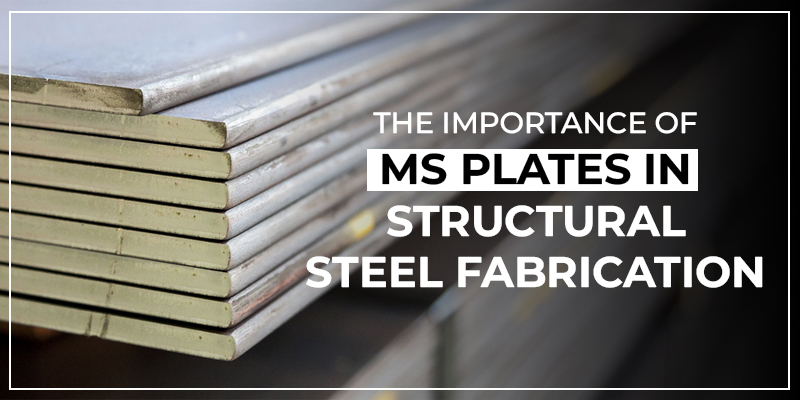
The Importance of MS Plates in Structural Steel Fabrication

Structural steel fabrication plays a vital role in the construction industry, and MS plates, also known as Mild Steel plates, are essential components in this process. They offer numerous benefits and contribute to the strength, durability, and safety of structures. Steel Dealers understand the importance of MS plates in structural steel fabrication is crucial for engineers, architects, and construction professionals.

Strength and Load-bearing Capacity:

MS plates are renowned for their high strength and load-bearing capacity, making them ideal for structural applications. Steel Dealers in Chennai say that they provide the necessary support and stability to withstand heavy loads, including the weight of the building itself, live loads such as people and furniture, and environmental factors like wind and seismic forces.

Versatility and Adaptability: 

MS plates are available in various sizes, grades, and thicknesses, providing versatility in structural design and fabrication. They can be easily cut, welded, and shaped to meet specific project requirements. This adaptability allows for the construction of complex and custom-designed structures with precision and efficiency.

Structural Integrity: 

MS plates contribute significantly to the structural integrity of buildings and infrastructure. When properly incorporated into the fabrication process, Steel Suppliers say that they enhance the overall stability and rigidity of structures. This ensures that the building can withstand external forces, vibrations, and loads without compromising its safety and longevity.

Durability and Longevity: 

Structural steel fabrication with MS plates results in durable and long-lasting structures. MS plates have excellent resistance to corrosion, oxidation, and weathering, ensuring the integrity of the building even in harsh environmental conditions. This durability reduces maintenance requirements and extends the lifespan of the structure.

Cost-effectiveness:

Using MS plates in structural steel fabrication offers cost-effective advantages. Compared to other materials, such as concrete or timber, MS plates are relatively affordable, readily available, and have a high strength-to-weight ratio. This means that less material is needed to achieve the same structural performance, reducing construction costs and allowing for efficient use of resources.

Sustainable Construction: 

MS plates contribute to sustainable construction practices. Steel is highly recyclable, and using MS plates in fabrication reduces the demand for new materials, conserving natural resources. Additionally, the long lifespan and recyclability of steel contribute to a reduced carbon footprint and support environmentally friendly building practices.

Design Flexibility:

Structural steel fabrication with MS plates provides design flexibility and freedom. The strength and versatility of MS plates allow for the creation of innovative and aesthetically appealing structures. Steel Suppliers in Chennai believe that from large-span buildings to unique architectural designs, MS plates enable architects and engineers to bring their creative visions to life.

Quality Assurance: 

MS chequered plate undergo rigorous testing and quality control processes to ensure compliance with industry standards and specifications. This provides confidence in their performance and reliability. When using MS plates in structural steel fabrication, professionals can be assured of consistent quality and adherence to safety regulations.

In conclusion, MS plates play a crucial role in structural steel fabrication, offering strength, versatility, durability, and cost-effectiveness. They contribute to the integrity and longevity of buildings and infrastructure, providing stability and safety. Whether in large-scale construction projects or smaller structural applications, MS plates are essential components in the creation of robust and reliable structures.

Understanding the Types of MS Plates and Their Applications

July 11, 2023
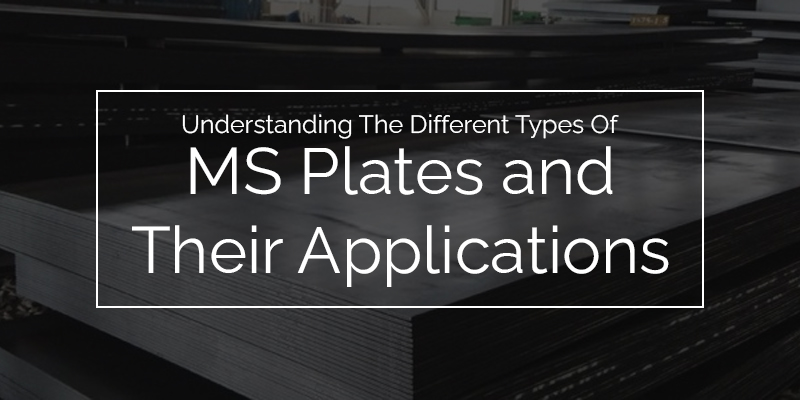
Understanding the Different Types of MS Plates and Their Applications

MS plates, also known as Mild Steel plates, are versatile and widely used in various industries for their excellent strength and durability. Understanding the different types of MS plates and their applications is essential for making informed decisions in construction, manufacturing, and other sectors.

Hot Rolled MS Plates: 

Hot-rolled MS plates are produced by heating the steel slab and rolling it into the desired thickness. They are characterised by their rough and scaly surface texture. Steel dealers believe that these plates are commonly used in general construction, bridges, and shipbuilding due to their high strength and resistance to deformation.

Cold Rolled MS Plates: 

Cold-rolled MS plates undergo a process of rolling at room temperature, resulting in a smooth and polished surface finish. They exhibit superior flatness and dimensional accuracy, making them suitable for applications that require tight tolerances and aesthetic appeals, such as automotive panels and appliances.

Structural MS Plates: 

Structural MS plates are designed to provide structural support and load-bearing capacity in construction projects. Steel dealers in Chennai believe that they come in various grades and thicknesses and are used in the fabrication of beams, columns, trusses, and other structural components.

Boiler Quality MS Plates:

 Boiler-quality MS plates are manufactured to withstand high-pressure and high-temperature conditions, making them ideal for use in boilers, pressure vessels, and heat exchangers. These plates possess excellent strength and corrosion resistance, ensuring safe and efficient operation in demanding environments.

Wear-resistant MS Plates:

 Wear-resistant MS plates are engineered to withstand abrasive wear, impact, and friction. They are commonly used in industries such as mining, quarrying, and material handling, where equipment is subjected to intense wear and tear. These plates offer extended service life and reduce downtime and maintenance costs.

Galvanised MS Plates: 

Galvanised MS plates are coated with a layer of zinc to enhance their corrosion resistance. The zinc coating acts as a barrier, protecting the underlying steel from rust and oxidation. Steel suppliers say that these plates find applications in outdoor structures, fencing, and roofing where exposure to moisture and atmospheric conditions is prevalent.

Chequered MS Plates: 

Chequered MS plates feature a pattern of raised diamonds, lentils, or other shapes on their surface. This design provides enhanced slip resistance, making them suitable for flooring, stair treads, ramps, and walkways. Chequered plates are widely used in industrial settings and areas where safety is paramount.

High Tensile MS Plates: 

High-tensile MS plates are manufactured with alloying elements to achieve exceptional strength and toughness. These plates offer superior resistance to impact, vibration, and fatigue, making them ideal for heavy machinery, construction equipment, and offshore structures subjected to extreme loading conditions.


In conclusion, understanding the different types of MS plates and their applications JSW dealers believe that it  is crucial for selecting the appropriate grade and thickness for specific projects. Whether it’s for general construction, structural fabrication, boilers, wear-resistant applications, or specialised requirements, MS plates offer versatility, reliability, and cost-effectiveness in a wide range of industries.

Aluminium Vs Stainless Steel: Which Is Better For Metal Fabrication?

July 1, 2023
Aluminium Vs Stainless Steel Which Is Better For Metal Fabrication

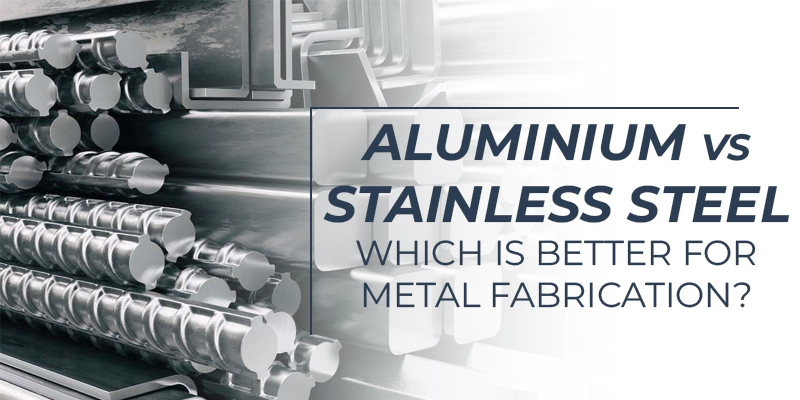
Regarding metal fabrication, aluminium and stainless steel are the most commonly used materials. Both materials have unique properties and advantages, but which is better for metal fabrication? Let’s take a closer look at the differences between aluminium and stainless steel to help you make an informed decision.

Aluminium

Steel Dealers in Chennai consider Aluminium to be a lightweight and versatile material commonly used in metal fabrication. It is known for its excellent strength-to-weight ratio, making it ideal for applications where weight is a concern. Aluminium is also highly corrosion-resistant, making it a popular choice for outdoor applications.One of the biggest advantages of aluminium is its malleability. It is a very soft metal that can be easily shaped and formed into various shapes and sizes. This makes it an ideal material for applications such as sheet metal fabrication, where intricate shapes and designs are required.Aluminium is also a good conductor of electricity and heat, making it ideal for electrical and thermal applications. It is also non-magnetic, making it ideal for sensitive electronic equipment use.

Stainless Steel

Stainless steel is a corrosion-resistant alloy known for its strength, durability, and aesthetic appeal. It is commonly used in metal fabrication applications where strength and corrosion resistance are important.

One of the biggest advantages of stainless steel is its durability. It is a very strong material resistant to scratching, denting, and other forms of damage. It is also highly corrosion-resistant, making it ideal for use in outdoor applications.

Stainless steel is also a very attractive material, with a sleek and modern appearance that is popular in various industries. It is often used in architectural and design applications where aesthetics are important.

Another advantage of stainless steel that Steel Suppliers in Chennai feel, is its high-temperature resistance. It can withstand high temperatures without warping or bending, which makes it ideal for use in high-temperature applications such as exhaust systems and industrial ovens.

Aluminium vs Stainless Steel: Which is Better?

Steel Dealers suggest when choosing between aluminium and stainless steel for metal fabrication, there are a few key factors to consider. These include:

  1. Strength: While aluminium and stainless steel are strong materials, stainless steel is generally stronger and more durable than aluminium.

  2. Weight: Aluminium is much lighter than stainless steel, which makes it ideal for applications where weight is a concern.

  3. Corrosion resistance: While both materials are corrosion-resistant, aluminium is generally more corrosion-resistant than stainless steel.

  4. Malleability: Aluminium is a very malleable metal that can be easily shaped and formed into various shapes and sizes, making it ideal for applications such as sheet metal fabrication.

  5. Temperature resistance: Stainless steel is more temperature-resistant than aluminium, making it ideal for high-temperature applications.

  6. Aesthetic appeal: Stainless steel is sleek and modern, popular in various industries, while aluminium is typically more practical.

Ultimately, JSW dealers say that the choice between aluminium and stainless steel will depend on your project’s specific needs and requirements. If you need a lightweight and malleable material resistant to corrosion, aluminium may be the better choice. If you need a strong and durable material that is resistant to high temperatures and has an attractive appearance, then stainless steel may be the better choice.

In conclusion, aluminium and stainless steel are excellent metal fabrication materials, each with unique properties and advantages. By understanding the differences between these two materials, you can make an informed decision about the best choice for your project.

Benefits Of Using High-Quality Steel In Construction

June 21, 2023
Benefits Of Using High-Quality Steel In Construction

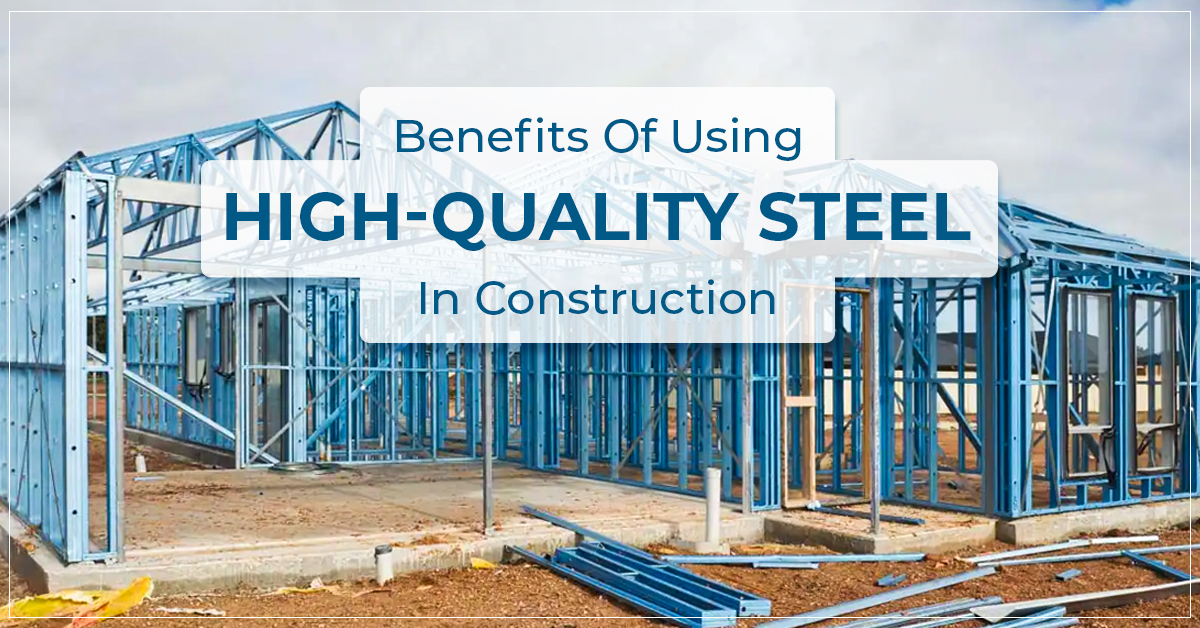
Steel dealers say steel has been an essential material in construction for centuries due to its durability, strength, and versatility. As a construction material, steel has undergone numerous innovations and advancements over the years, resulting in high-quality steel products superior to traditional mild steel. This blog post will discuss the benefits of using high-quality steel products in construction.

Strength And Durability: 

High-quality steel products offer superior strength and durability compared to traditional mild steel. The unique manufacturing process of high-quality steel products involves the thermo-mechanical treatment, resulting in a hard outer layer and a ductile inner core. This gives them a high strength-to-weight ratio, making them ideal for high-rise buildings, bridges, and other large infrastructure projects.

Corrosion Resistance:

High-quality steel products are highly resistant to corrosion, making them ideal for use in areas that experience high humidity, saline conditions, or corrosive environments. The unique manufacturing process of high-quality steel products creates a protective layer that prevents rust and corrosion from developing.The MS chequered plate is a popular choice for its durability and slip-resistant properties, making it an ideal material for framing structures.

Fire Resistance: 

High-quality steel products have a high resistance to fire, making them ideal for use in areas where fire hazards are a concern. They can withstand high temperatures without losing strength, making them safer and more reliable than traditional mild steel products.

Sustainability:

High-quality steel products are environmentally friendly and sustainable as they can be easily recycled. This reduces the construction project’s carbon footprint and helps preserve natural resources.

Versatility: 

High-quality steel products can be used in various construction projects, from small buildings to large-scale infrastructure projects such as bridges and highways. SAIL TMT bar is one such high-quality steel known fortheir superior properties and versatility which make them a preferred choice for architects, builders, and engineers.

Design Flexibility: 

High-quality steel products offer flexibility, allowing architects and engineers to create unique and complex structures. They can be fabricated into different shapes and sizes, making them ideal for customised construction projects.

Reduced Construction Time:

High-quality steel products can be prefabricated off-site, reducing the time and cost of on-site construction. This makes them ideal for construction projects requiring quick turnaround times.

Quality Standards: 

Steel suppliers supply high-quality steel products that are manufactured to meet strict standards, ensuring consistency and reliability. Their properties are tested and verified through various quality control measures, making them a safe and reliable choice for construction projects.

Reduced Maintenance Costs:

High-quality steel products require minimal maintenance, reducing the overall maintenance costs of construction projects. They do not rust or corrode, and their strength and durability ensure they do not need to be replaced frequently.


Overall, high-quality steel products offer numerous benefits over traditional mild steel products, making them a preferred choice for construction projects. Their superior strength, corrosion and fire resistance, sustainability, versatility, design flexibility, reduced construction time, quality standards, and reduced maintenance costs make them a safer, more durable, and sustainable option for the construction industry. Approach Bharat Steel for high quality steel who quotes reasonable MS plate price in Chennai and other steel products.

Why Should You Use TMT Bars In The Construction Industry?

June 20, 2023
Why Should You Use TMT Bars In The Construction Industry

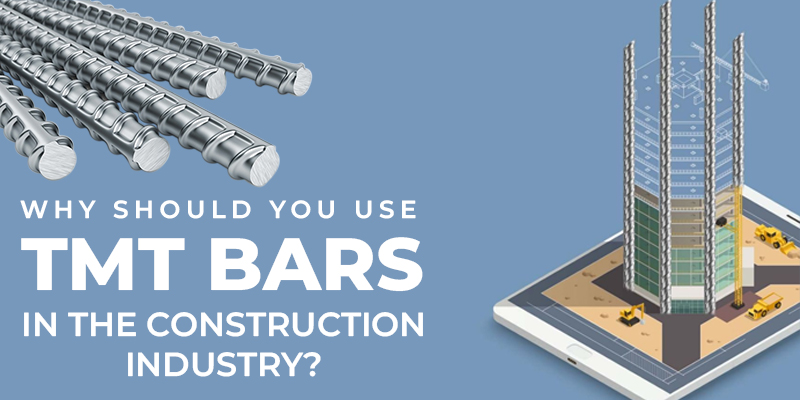
Thermo-Mechanically Treated (TMT) bars are widely used in the construction industry for their superior physical and mechanical properties compared to traditional mild steel bars. TMT bars undergo a unique manufacturing process involving the application of heat and pressure, resulting in a high-strength, ductile, and corrosion-resistant material. Like TMT bars, MS chequered plate is a popular choice in the construction industry because of its durability and slip-resistant properties. However, in this blog discussed are some reasons why you should use TMT bars in your construction projects:

High Strength: 

Steel dealers in Chennai consider TMT bars ideal for construction because of their superior strength and tensile properties. The heat treatment process used during their manufacturing results in a hard outer layer and a malleable core, giving them a high strength-to-weight ratio. This makes TMT bars ideal for structural applications requiring high strength and durability.

Ductility: 

TMT bars are highly ductile, which means they can be bent or twisted without breaking. This property makes them an excellent choice for areas that experience seismic activity or where buildings need to be flexible to accommodate expansion and contraction.

Corrosion Resistance: 

TMT bars are treated with a unique process that makes them highly corrosion-resistant. This makes them an ideal choice for construction projects in areas that experience high humidity, saline conditions, or corrosive environments.

Weldability: 

TMT bars are highly weldable, making them an ideal choice for construction projects that require welding. Their superior strength and flexibility make them easy to weld, reducing the chances of failure or cracking.

Fire Resistance:

TMT bars have high resistance to fire, which makes them ideal for use in areas where fire hazards are a concern. They can withstand high temperatures without losing strength, making them safer and more reliable than traditional mild steel bars.

Earthquake Resistance: 

TMT bars are highly earthquake-resistant, making them an ideal choice for construction projects in earthquake-prone areas. They can absorb seismic shocks and vibrations, reducing the risk of structural damage.

Cost-Effective:

While TMT bars may be more expensive than traditional mild steel bars, their durability and low maintenance requirements make them more cost-effective. Their longer lifespan and superior properties result in lower overall costs for construction projects.

Versatility: 

Steel suppliers say that the TMT bars can be used in various construction projects, from small buildings to large-scale infrastructure projects such as bridges and highways. Their superior properties and versatility make them a preferred choice for architects, builders, and engineers.

Sustainability: 

TMT bars are environmentally friendly and sustainable as they can be easily recycled. This reduces the construction project’s carbon footprint and helps preserve natural resources.

Quality Standards: 

TMT bars are manufactured to meet strict standards, ensuring consistency and reliability. Their properties are tested and verified through various quality control measures, making them a safe and reliable choice for construction projects.


Overall, SAIL TMT bar offers numerous advantages over traditional mild steel bars, making them a preferred choice for construction projects. Their superior strength, flexibility, corrosion resistance, weldability, earthquake, and fire resistance, cost-effectiveness, versatility, sustainability, and quality standards make them a safer, more durable, and sustainable option in the construction industry.

Things You Need To Know About Weathering Steel

June 9, 2023
Things You Need To Know About Weathering Steel

Weathering or corten steel is an alloy designed to rust and form a protective coating on its surface. This coating, also known as a patina, is formed when the steel is exposed to the elements over time. Weathering steel was first developed in the 1930s and has since become a popular choice for architectural and structural applications. 

Composition And Properties Of Weathering Steel:

Weathering is a low alloy steel that is extremely resistant to corrosion The composition of weathering steel is made with small amounts of copper, chromium, nickel, and phosphorus as it develops a protective rust layer when exposed to the elements. This layer of rust is not only aesthetically pleasing but also serves as a protective barrier that prevents further corrosion.

One of the key properties of weathering steel is its high corrosion resistance. Weathering steel can withstand exposure to various atmospheric conditions, including rain, snow, humidity, and salt spray. This makes it ideal for outdoor applications where traditional steel quickly rusts and deteriorates. It is to be noted that SAIL TMT bars, unlike weathering steel need not undergo specific fabrication specifically designed to develop a protective rust layer when exposed to the elements. Hence, TMT bars are used in the place of weathering steel where it cannot be used.

Uses Of Weathering Steel:

Steel suppliers in Chennai say that weathering steel is commonly used in architectural and structural applications, including bridges, buildings, and sculptures. It is also used in outdoor sculptures and landscaping due to its unique aesthetic qualities.

Bridges:

Weathering steel is popular for bridge construction due to its high corrosion resistance. It can withstand exposure to the elements without requiring regular maintenance or coatings. Many iconic bridges around the world are made from weathering steel.

Buildings: 

Steel dealers find weathering steel to be distributed immensely as it is used to construct buildings, particularly those with an industrial or modern aesthetic. Due to its unique patina and rust-like appearance, it is often used as cladding or facade material. Weathering steel can also be used for roofing and flooring, providing a durable, low-maintenance option for outdoor spaces.

Sculptures: 

The unique aesthetic qualities of weathering steel make it a popular choice for outdoor sculptures and landscaping features. It provides a rustic and natural appearance that blends in with the surrounding environment. Many famous sculptures worldwide are made from weathering steel.

Advantages Of Weathering Steel:

  1. Low maintenance:

    Weathering steel requires little to no maintenance, as it forms a protective rust layer that prevents further corrosion.
  2. Aesthetically pleasing:

    Weathering steel has a unique appearance that adds character and texture to outdoor spaces. Its patina can range from a warm brown to a deep orange-red, depending on the exposure to the elements.
  3. Durable:

    Weathering steel is a strong and durable material that can withstand exposure to harsh weather conditions without deterioration.
  4. Cost-effective:

    Weathering steel may be more expensive than traditional steel, but it is often more cost-effective in the long run due to its low maintenance requirements.
  5. Sustainable:

    Weathering steel is a sustainable option for outdoor applications, as it requires little maintenance and has a long lifespan.


In the end, weathering steel is a unique and durable material that has become popular for outdoor applications. Its high resistance to corrosion, low maintenance requirements, and unique aesthetic qualities make it an ideal choice for bridges, buildings, sculptures, and other outdoor structures. Hence, if you are looking for durable steel approach Bharat Steel the best dealer of MS chequered plate and other steel products for firm structures.

The Importance Of Recycling Steel

June 6, 2023
The Importance Of Recycling Steel

Steel is one of the world’s most recycled materials, for a good reason. The recycling of steel has numerous economic, environmental, and social benefits. This blog will discuss the importance of recycling steel and why it is crucial for a sustainable future.There are many steel dealers in Chennai who supply high-quality steel products which can also be recycled to various industries especially for the construction sectors.

Economic Benefits

Steel recycling has a significant economic impact on industries and communities worldwide. According to the World Steel Association, steel recycling conserves raw materials, saves energy, and reduces greenhouse gas emissions. Recycling steel is more cost-effective than mining new ore and refining it into steel. This is because recycling steel requires less energy and fewer resources than creating new steel products from scratch. As a result, the recycling of steel helps keep production costs down, ultimately benefiting consumers.

In addition to cost savings, steel recycling also generates revenue for businesses and communities. Steel recyclers purchase scrap steel from companies and individuals, providing a valuable source of income for those who sell their scrap. The recycling industry also creates jobs, both directly and indirectly. This includes jobs in recycling facilities, transportation, and other related industries. The economic benefits of recycling steel are therefore significant and wide-ranging. Steel suppliers in Chennai provide a wide range of steel products and services to meet the needs of different industries and customers.

Environmental Benefits

The environmental benefits of recycling steel are more important than the economic benefits. Recycling steel helps to reduce the environmental impact of steel production. According to the Environmental Protection Agency (EPA), recycling steel conserves natural resources, reduces greenhouse gas emissions, and saves energy. This is because steel recycling uses less energy and fewer resources than creating new steel products from scratch. For example, recycling one ton of steel conserves 2500 pounds of iron ore, 1400 pounds of coal, and 120 pounds of limestone.

In addition to conserving natural resources, the recycling of steel also helps to reduce greenhouse gas emissions. Steel suppliers say according to the World Steel Association, recycling steel reduces carbon dioxide emissions by 58 per cent compared to producing new steel. This is because recycling steel requires less energy than creating new products from scratch. By reducing greenhouse gas emissions, the recycling of steel helps mitigate climate change and its environmental impacts.

Social Benefits

The recycling of steel also has important social benefits. For example, recycling steel reduces the waste that goes to landfills. This helps to prevent pollution and reduces the need for new landfills. Additionally, recycling steel helps to reduce the demand for new steel products, which reduces the need for new steel production facilities. This helps to reduce the environmental impact of steel production on local communities. JSW steel dealers in Chennai are authorised steel dealers who offer a range of high-quality steel products and services to meet the diverse needs of customers.

The recycling of steel also helps to create a more sustainable future for everyone. By conserving natural resources, reducing greenhouse gas emissions, and reducing waste, the recycling of steel helps to create a more sustainable and equitable society. This benefits all members of society, from individuals and families to businesses and governments.


In the end, recycling steel is crucial for a future that is sustainable. Steel recycling has significant economic advantages because it conserves energy, resources and lowers production costs. Even more significant are the environmental advantages of recycling steel, which include preserving natural resources, lowering greenhouse gas emissions, and preventing climate change. The social advantages of recycling steel like SAIL TMT bars also significantly contribute to waste reduction, pollution prevention, and a more sustainable future for all. As a result, we should all contribute to the recycling of steel, whether by selling our scrap or in other ways.

Advantages Of Using TMT Bars In Construction Projects

June 2, 2023
Advantages Of Using TMT Bars In Construction Projects

TMT bars, also known as Thermo-Mechanically Treated Bars (TMT), are a type of reinforcement bar widely used in construction projects. They have become increasingly popular in recent years especially the SAIL TMT bar due to their numerous advantages over other types of reinforcement bars. Here are some of the main benefits of using TMT bars in construction projects:

High Strength And Durability: 

TMT bars are manufactured using a unique process involving heat treatment, resulting in increased strength and durability. They are much stronger than traditional reinforcement bars and can withstand heavy loads, making them ideal for high-rise buildings, bridges, and other infrastructure projects.

Better Ductility: 

TMT bars have better flexibility than reinforcement bars, which can bend and twist without breaking. This property allows them to withstand seismic forces during earthquakes, making them ideal for use in earthquake-resistant buildings. Even though the construction material price has increased significantly, we at Bharat Steel offer an affordable MS plate price in Chennai.

Corrosion Resistance: 

TMT bars are coated with a layer of corrosion-resistant material that protects them from rust and corrosion. This makes them ideal for use in coastal areas and areas with high humidity, where traditional reinforcement bars are more likely to corrode.

Accessible To Weld And Bend:

TMT bars are more straightforward to weld and bend than other reinforcement bars. This makes them ideal for use in complex structures where the reinforcement bars need to be bent or welded to specific shapes. The MS chequered plate is a popular choice for flooring applications due to its slip-resistant surface, durability and can be reinforced for flexibility.

Cost-Effective: 

While TMT bars may be slightly more expensive than traditional reinforcement bars, they are more cost-effective in the long run due to their high strength and durability. They require fewer bars per unit length than standard reinforcement bars, reducing construction time and labour costs.

Reduced Construction Time:

TMT bars’ high strength and flexibility allow for constructing structures with fewer joints and connections, reducing construction time and improving overall project efficiency.

Eco-Friendly: 

JSW steel dealers in Chennai say the TMT bars are considered eco-friendly due to their manufacturing process. The manufacturing process uses less energy than traditional reinforcement bars, lowering greenhouse gas emissions.

Higher Welding Efficiency:

The unique manufacturing process of TMT bars ensures uniform strength and flexibility throughout the bar, resulting in a higher welding efficiency. This makes them ideal for prefabricated structures where welding is required.

Easy To Transport: 

TMT bars are lightweight compared to traditional reinforcement bars, making them easier to transport to construction sites. This reduces transportation costs and improves overall project efficiency.

Better Bonding Strength: 

The unique manufacturing process of TMT bars results in higher bonding strength between the bar and concrete. This ensures better load transfer and improves the overall structural integrity of the building. Steel suppliers play a crucial role in the construction industry as they provide high-quality steel products and materials to contractors and builders.

The advantages of using TMT bars in construction projects are numerous. They offer high strength and durability, better flexibility, and corrosion resistance, and they are easier to weld and bend than other reinforcement bars. They are also cost-effective, eco-friendly, and improve overall project efficiency. These advantages make TMT bars an ideal choice for construction projects of all sizes and types. Their increasing popularity in the construction industry is a testament to their effectiveness and reliability.

Why Is It Ideal To Buy Steel In India? – Explained

May 30, 2023
Why Is It Ideal To Buy Steel In India Explained

Steel is one of the most widely used materials in the world due to its versatility and strength. India is one of the largest producers of steel in the world, and there are several advantages to buying steel in India.

Cost-effective: 

One of the most significant advantages of buying steel in India is they are cost-effective. As India produces a large amount of steel, which means there is a lot of competition among steel manufacturers. This competition drives down the price of steel, making it more affordable for businesses and individuals to purchase. For example, the MS plate price in Chennai is comparatively lower than the other place due to this reason.

High-quality: 

High quality steels are the major reasons why buying Indian steels is ideal. Indian steel manufacturers are known for producing steel that is strong, durable, and resistant to corrosion. The quality of steel produced in India is comparable to that produced in other countries, making it a reliable option for various applications. Hence, the SAIL TMT bar that is produced by India is exported to many other countries in larger quantities.

Variety: 

India produces various steel products to suit different needs. Whether you are looking for flat steel products, long steel products, or special steel products, India has a range of options. This variety ensures businesses and individuals can find the right steel product for their needs.

Infrastructure: 

Another reason is the steel dealers in Chennai have a robust steel industry supported by a strong infrastructure. The country has several ports, highways, and railways that make it easy to transport steel products from one place to another. This infrastructure ensures that businesses and individuals can easily access steel products anywhere in the country.

Skilled Workforce: 

India has a large and skilled workforce well-versed in steel production. Indian steel manufacturers use advanced technology and techniques to produce high-quality steel products. The workforce is trained to use this technology and techniques to produce steel that meets international standards.

Innovation: 

Indian steel dealers are constantly innovating to improve the quality and cost-effectiveness of their products. They are investing in research and development to find new ways to produce stronger, more durable, and more cost-effective steel. This innovation ensures that India remains competitive in the global steel market.

Government Support: 

The Indian government has supported the country’s steel industry. It has implemented several policies to promote the industry’s growth, including tax incentives and subsidies. This support has helped the industry to grow and become more competitive in the global market.

Environmental Regulations: 

Indian steel manufacturers are subject to strict environmental regulations. They must comply with international environmental protection standards, including air and water quality. This ensures that the steel produced in India is environmentally friendly and sustainable.

International Standards:

 Indian steel manufacturers produce steel that meets international standards for quality and safety. They are certified by several international organisations, including ISO, ASTM, and CE. This ensures that businesses and individuals can trust the quality of steel products produced in India.

Export Potential:

Steel suppliers in Chennai export a significant amount of steel to countries around the world. This means that businesses and individuals outside of India can also benefit from the cost-effective and high-quality steel produced in the country.

Thus, buying steel in India has several advantages, including cost-effectiveness, high quality, variety, infrastructure, skilled workforce, innovation, government support, environmental regulations, international standards, and export potential. These advantages make India a reliable and attractive option for businesses and individuals purchasing steel products.

The Purpose of Heat Treatment for Steel

March 23, 2023
The Purpose of Heat Treatment for Steel

Steel suppliers in Chennai suggest that the heat treatment is a critical process for steel that is used to modify its mechanical properties, such as its strength, toughness, and ductility. Heat treatment refers to a group of industrial and metalworking processes that alter the properties of a material, including steel, by subjecting it to specific heating and cooling cycles. Heat treatment can be used to improve the strength, toughness, and hardness of steel, and it is a critical step in the manufacturing of many industrial products, from gears and bearings to cutting tools and machine components.

The purpose of heat treatment for steel can be summarised in the following points:

Improving Strength And Hardness: 

One of the primary purposes of heat treatment for steel is to increase its strength and hardness. Steel suppliers suggest that the heat treatment can be used to create a range of mechanical properties in steel, from soft and ductile to hard and brittle. The process involves heating the steel to a specific temperature and then cooling it rapidly to achieve a particular microstructure, which determines the material’s mechanical properties. The resulting steel is harder, stronger, and more resistant to wear and tear, making it suitable for use in demanding applications where high strength and hardness are required.

Enhancing Toughness:

JSW steel dealers in Chennai tell us that the heat treatment can also be used to enhance the toughness of steel, making it more resistant to fractures and other forms of damage. This is achieved by subjecting the steel to a specific heat treatment process that modifies its microstructure to improve its ability to absorb and dissipate energy. Toughness is a crucial property for many steel applications, including structural and mechanical components, where the material is subjected to high levels of stress and strain.

Modifying Ductility: 

Heat treatment can be used to modify the ductility of steel, which refers to its ability to deform and stretch without breaking. Ductility is an important property for many applications, including metal forming and fabrication processes, where the material needs to be shaped and manipulated without breaking or fracturing. Heat treatment can be used to increase or decrease the ductility of steel, depending on the specific application.

Reducing Residual Stresses: 

Heat treatment can also be used to reduce the residual stresses in steel, which are caused by uneven cooling during the manufacturing process. Residual stresses can weaken the material and increase the risk of cracking and failure. Heat treatment can be used to relieve these stresses by subjecting the steel to a specific heating and cooling cycle, Steel Dealers in Chennai say that it helps to even out the temperature distribution and reduce the internal stresses.

Refining Grain Structure:

Heat treatment can also be used to refine the grain structure of steel, which refers to the arrangement of its microscopic crystals. Refining the grain structure can improve the material’s mechanical properties, such as its strength, toughness, and ductility. Heat treatment can be used to achieve a finer and more uniform grain structure, which improves the material’s overall performance.

Controlling Machinability:

JSW dealers suggest that the heat treatment can be used to control the machinability of steel, which refers to its ability to be machined or cut into specific shapes and sizes. Controlling machinability is important in many industrial applications, including the production of machine parts and components. Heat treatment can be used to modify the microstructure of steel, making it easier or more difficult to machine, depending on the specific requirements.

In conclusion, MS steel suppliers in Chennai tell us the purpose of heat treatment for steel is to modify its mechanical properties to meet specific industrial and manufacturing requirements. Heat treatment can be used to improve the strength, hardness, toughness, and ductility of steel, as well as to refine its grain structure, reduce residual stresses, and control its machinability. Heat treatment is a critical step in the production of many industrial products, and it requires careful control of the heating and cooling cycles to achieve the desired microstructure and mechanical properties.