Steel for Various Domestic and Industrial Uses

July 20, 2018

From the framework of a residential building to the machinery used in a manufacturing plant, steel supports countless activities that keep modern life moving. Its ability to withstand loads, adapt to different manufacturing processes and serve a wide range of purposes has made it an important material for construction, engineering and everyday products.

However, steel requirements vary considerably between applications. A household kitchen fitting may require corrosion resistance and easy maintenance, while an industrial structure needs carefully specified mechanical properties and dependable load-bearing capacity. Understanding these differences helps buyers select suitable products for their intended use.

Why Does Steel Remain an Essential Engineering Material?

Steel is produced primarily from iron, with carbon and other alloying elements used to achieve the required properties. Manufacturers can adjust its composition and processing methods to create grades suitable for different environments and operating conditions.

One major advantage is its ability to provide substantial strength while allowing fabrication into sheets, plates, bars, beams and other useful forms. Depending on the grade, steel can also be cut, bent, welded, machined or shaped to meet specific manufacturing requirements.

Its widespread availability and recyclability further support its use across numerous industries. When the correct specification is combined with suitable installation and maintenance, steel components can provide dependable service in both simple and demanding applications.

1. The Role of Steel in Residential and Household Products

Steel contributes to the construction, functionality and durability of many products found in homes. 

Residential construction: Reinforcing bars are incorporated into concrete foundations, columns, beams and slabs. Steel sections and fabricated components may also be used for staircases, gates, balconies and roof-support arrangements.

Kitchen and utility products: Stainless steel is widely used for sinks, cookware, utensils and work surfaces. Its corrosion resistance and ease of cleaning make it suitable for many household environments.

Furniture and storage systems: Steel frames are used in beds, racks, cabinets, tables and shelving units. These components can provide structural support while accommodating different sizes and designs.

Doors, gates and window grills: Fabricated steel products are commonly selected for their strength and adaptability. Their performance depends on the section dimensions, fabrication quality and protective finish.

Domestic appliances: Steel may be found in appliance cabinets, supporting frames and internal components, depending on the product design.

Carbon steel may suit many fabricated components, whereas stainless steel can be preferable where moisture exposure, hygiene or surface appearance is a priority.

2. How Steel Supports Industrial Operations

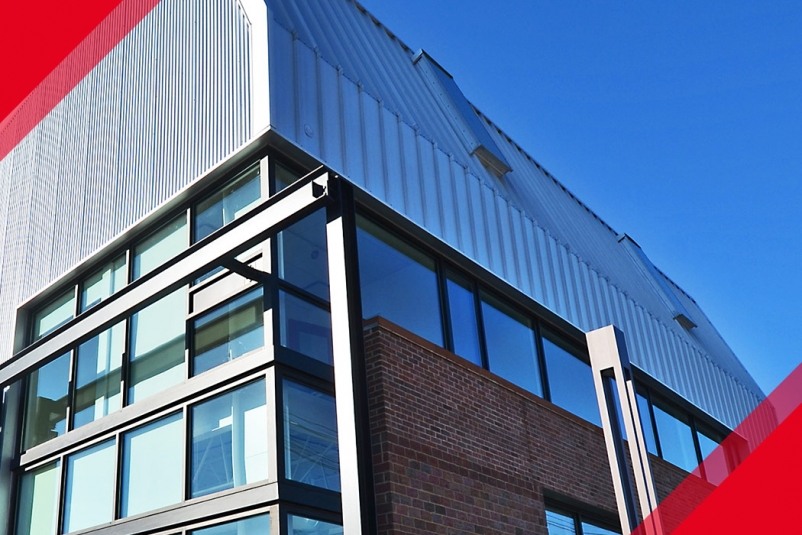
Factories, warehouses and manufacturing facilities depend on materials that meet specific engineering and production requirements. Steel provides a broad range of product forms for structural frameworks, fabricated assemblies and equipment.

Structural Frameworks for Industrial Buildings

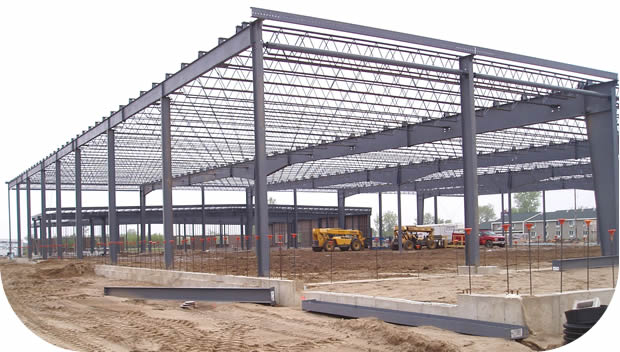
Beams, columns, angles and channels are used to construct the frameworks of factories, warehouses, workshops and commercial facilities. These sections transfer building loads through the structural system to the foundations.

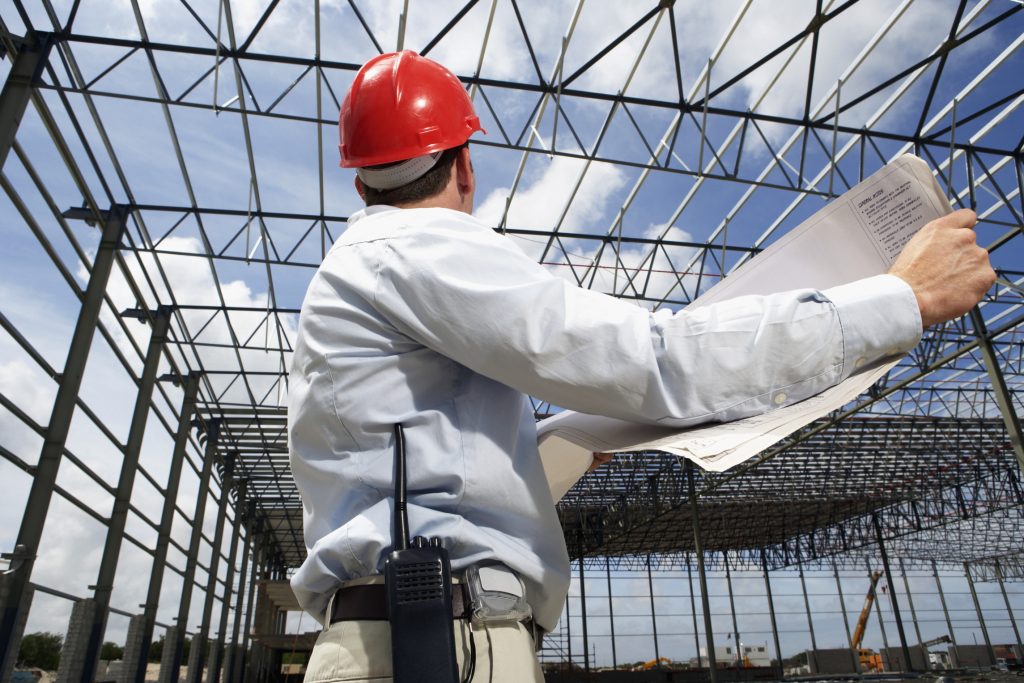
Selecting the correct profile requires consideration of span, loading, stability, deflection and connection design. The specified grade and dimensions must comply with the approved engineering drawings.

HR Coils and Plates in Fabrication

Depending on their grade and thickness, they can be processed into brackets, equipment housings, support members, industrial components and fabricated assemblies.

Manufacturers should consider forming requirements, weldability, dimensional tolerances and mechanical properties when selecting these products. Matching the material specification to the production process helps maintain consistency and reduce unnecessary rework.

Applications in Transportation

Steel is used in vehicle frames, body components, chassis assemblies and other transportation-related products. Depending on the design, manufacturers may select grades that offer an appropriate balance of strength, formability and durability.

Railway infrastructure, commercial transport equipment and associated facilities also require steel products designed for their respective operating conditions.

Machinery and Equipment Manufacturing

Industrial machinery frequently incorporates steel frames, mounting plates, brackets, support structures and protective enclosures. These parts must withstand the loads and operating conditions associated with the equipment.

Depending on the application, factors such as vibration, repeated loading, wear, temperature and exposure to chemicals may influence the grade and surface treatment required.

3. Understanding Common Steel Product Categories

Steel is supplied in different shapes and forms to meet the requirements of construction, manufacturing and general engineering.

  • TMT bars: Used to reinforce concrete in residential, commercial and infrastructure projects.
  • Structural sections: Beams, angles and channels support building frameworks, platforms and fabricated structures.
  • Hot-rolled coils and sheets: Used in fabrication, equipment manufacturing and selected construction applications.
  • Steel plates: Suitable for base plates, industrial components, support assemblies and heavy fabrication, depending on grade and thickness.
  • Chequered plates: Used for selected access platforms, stair treads and flooring applications where a patterned surface is beneficial.
  • Stainless steel products: Chosen for applications that require enhanced corrosion resistance or easy-to-clean surfaces.

The intended function, required mechanical properties, dimensions and relevant product standards should determine the final selection.

4. Important Factors When Purchasing Steel

Choosing a suitable steel product involves evaluating both technical requirements and practical procurement considerations.

Define the intended use. Establish whether the material will serve as reinforcement, a structural member, a fabricated component or a finished household product.

Verify the grade and specification. Buyers should ensure that the material meets the requirements stated in the drawings or purchase specification.

Confirm dimensions and tolerances. Thickness, length, width and section geometry can influence fabrication accuracy, structural performance and material utilisation.

Evaluate exposure conditions. Outdoor installations, coastal environments and industrial facilities may require appropriate corrosion protection or a material specifically suited to the operating conditions.

Check supporting documents. Material test certificates, grade identification and traceability records can help establish whether the supplied product meets the specified requirements.

Plan deliveries carefully. Coordinating order quantities, product dimensions and delivery schedules with site or production requirements can help avoid interruptions and excess inventory.

For industrial buyers, collaboration between engineering, procurement and fabrication teams is particularly valuable when multiple grades or product dimensions are required.

5. Steel, Recycling and Responsible Resource Use

Steel offers recycling opportunities because recovered material can be processed into new steel products. The environmental advantages depend on factors such as the production route, energy sources, transport requirements and the proportion of recycled material used.

Responsible procurement and efficient fabrication can also reduce avoidable waste. Accurate cutting plans, appropriate storage, careful handling and the recovery of usable scrap contribute to better resource utilisation.

Maintaining steel components according to their exposure conditions can further extend their useful life. For buildings and industrial equipment, suitable coatings, inspections and timely repairs help address deterioration before it develops into a more significant problem.

Conclusion

Steel serves a wide variety of purposes, from reinforcing residential buildings to supporting industrial frameworks, manufacturing equipment and transportation systems. Its flexibility in composition, product form and fabrication makes it suitable for applications with very different technical requirements.

Achieving reliable performance begins with selecting the right grade, dimensions and protective treatment for the intended use. Quality documentation, correct handling and compliance with engineering specifications are equally important throughout procurement and installation.

Bharat Steel Chennai supports construction and industrial requirements through its range of steel products, including HR coils, plates and structural sections. By aligning material selection with approved specifications and operational needs, businesses and contractors can make more informed procurement decisions for their projects.

Why you need TMT Bars?

July 7, 2018
Steel Suppliers in Chennai

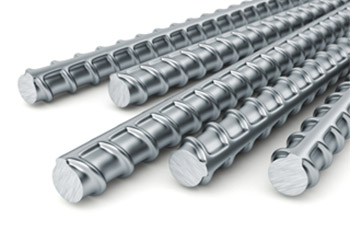
TMT bars are the important construction material that is being used for the building up of houses, multi-storeyed buildings, bridges, and also for many civil related engineering structures. A TMT bar ensures high durability to the building structure and helps to improve the longevity of the building. It gives high strength to the building structures that can withstand or hold different kinds of stress and carry heavy loads. It protects the building from being affected from any other further damages. They are said to be the thermo mechanical based elements that are treated to obtain the bars of steel.

The TMT bars are really subjected to the thermo mechanical process which is a process for hardening the outer layer of the bar. The Steel Suppliers in Chennai is the one stop solution for the construction purposes at a low price. The process consists of inserting the steel wires into a tempocore and water cooling system after being checked in the rolling stand mill. This process helps to keep the inner layer soft and the outer layer hard when manufacturing it for homes and other building structures. Those bars are ought to be showed to water for a long time. It has many advantages while using it for the construction of the house related activities as it is corrosion resistant and doesn’t need the cold twisting process.

The Steel Dealers in Chennai offers various steels and TMT bars that are given at an affordable price to its customers. The TMT bars are used for the construction of the buildings and also for the construction of the concrete structures. They are ought to be used for the concrete reinforcement. Concrete is said to have a compressive strength that is good for the construction and has a tensile strength that is very poor. Thus they are used for the additional reinforcement. They form a concrete bond that is being used along with the concrete. The bars are resistant to fire incidents which is very resistant to thermal functionalities.

These bars are the basic constructional materials for many reasons. The unique property in them makes it ideal for the construction activities. The Steel Suppliers manufacture and deliver high quality steels from the factory with the fresh steel available. Some of the major properties of the TMT bars has ductility, strength that is superior and weldability. The Steel dealer has a network that operates country wide with high quality steel in all areas.

Significant Equipment in Eluding Natural Disorders

July 3, 2018
Steel Dealers

Natural hazards such as earthquakes, cyclones, heavy rainfall and strong winds can place significant stress on buildings and infrastructure. As urban development and industrial construction continue to expand, choosing appropriate building materials and implementing sound engineering practices have become essential for improving structural resilience.

Steel plays an important role in modern construction because of its strength, versatility and ability to be fabricated into different structural components. From reinforcement bars used in concrete foundations to structural sections and roofing supports, the right materials contribute to a building’s ability to withstand the loads anticipated during its service life.

However, resistance to natural hazards depends on the complete structural system, including design, foundations, connections, material quality and construction workmanship.

Understanding the Impact of Natural Hazards on Buildings

Different environmental events affect buildings in different ways. Earthquakes generate ground movements that place lateral forces on structural members. Cyclones and severe storms create wind pressure and suction, particularly on roofs and external cladding.

In coastal and industrial environments, moisture and corrosive atmospheric conditions may also accelerate deterioration if materials are not adequately protected.

Understanding these risks during the planning stage allows designers to select suitable materials and incorporate appropriate protective measures. The objective is not simply to construct a strong building, but to create a structure that performs reliably under the conditions for which it has been designed.

1. TMT Reinforcement Bars for Improved Structural Performance

Thermo-Mechanically Treated (TMT) bars are widely used in reinforced concrete construction, including foundations, beams, columns and slabs. Their mechanical properties make them suitable for combining with concrete to resist structural loads.

For buildings designed to withstand seismic forces, reinforcement must meet the specified requirements for strength, ductility and elongation. Ductility is particularly important because it allows structural members to undergo controlled deformation before reinforcement fractures.

During an earthquake, appropriately designed and detailed reinforced concrete elements can accommodate movement and dissipate energy. Nevertheless, this performance depends on correct reinforcement placement, confinement, anchorage, lap splices and compliance with applicable seismic design provisions.

When procuring TMT bars, builders should verify the specified grade, relevant Indian Standard requirements and material test certificates. Selecting reinforcement based solely on advertised strength or price may overlook important mechanical properties required by the structural design.

2. Structural Steel for Strength and Design Flexibility

Structural steel sections are commonly used in industrial buildings, warehouses, manufacturing facilities and commercial developments. Beams, columns, channels and other profiles form the framework that supports the building and transfers loads to its foundations.

Steel structures can be engineered to accommodate different spans, building configurations and loading conditions. Their performance under strong winds or seismic activity depends on the selected sections, bracing arrangements, connection design and overall structural configuration.

For industrial facilities, engineers must consider factors such as equipment loads, roof-mounted services, operational requirements and the forces expected during extreme weather events.

Quality-assured structural steel that matches the approved specifications helps fabricators and contractors maintain consistency throughout construction. Proper fabrication, bolting, welding and corrosion protection are equally important for achieving the intended structural performance.

3. C and Z Purlins for Roofing Support

Purlins are secondary framing members that support roofing sheets and transfer loads to the main structural framework. C and Z purlins are frequently used in industrial sheds, factories, warehouses and other steel-framed buildings.

During severe weather, roofs can experience substantial wind uplift and pressure variations. Purlin dimensions, spacing, bracing and connections must therefore be selected according to engineering calculations and the roofing system’s requirements.

The choice between C and Z sections depends on the building layout, span arrangements, loading conditions and installation details. Suitable corrosion protection is also important where moisture, condensation or coastal exposure could affect service life.

Correctly designed purlins contribute to a reliable roofing assembly, but they must work together with adequately designed roof sheets, fasteners, primary frames and supporting connections.

4. Corrosion Protection for Long-Term Durability

Material deterioration can reduce the reliability of building components over time. Steel exposed to moisture, industrial pollutants or coastal conditions may corrode if its surface is not appropriately protected and maintained.

Depending on the application, protective coatings, galvanised finishes and suitable painting systems can help limit corrosion. The appropriate solution depends on the environmental exposure, component specifications and expected maintenance requirements.

Routine inspections can identify damaged coatings, water accumulation, loose fasteners and other developing problems before they become more serious.

Corrosion protection does not make steel immune to deterioration. Instead, combining appropriate material selection with correct installation and planned maintenance helps preserve its intended performance.

5. Foundations and Structural Connections Matter

Even high-quality construction materials cannot compensate for inadequate foundations or poorly designed connections. Foundations must transfer building loads safely into the supporting soil, taking account of ground conditions, settlement and relevant environmental hazards.

In steel-framed buildings, connections between beams, columns, braces and roof members play a critical role in transferring forces throughout the structure. For earthquake-resistant buildings, engineers must consider the complete load path, ductile detailing and the applicable seismic design requirements  A coordinated approach to structural design is therefore essential for achieving reliable performance.

6. Choosing Materials Based on Project Requirements

Material procurement should begin with the approved structural drawings and technical specifications. Builders and contractors should confirm the required steel grade, section dimensions, thickness, mechanical properties and applicable quality standards before placing orders.

Proper transportation, storage and handling also help prevent avoidable damage or deterioration before installation.

For projects in Chennai and across Tamil Nadu, local environmental exposure, including coastal humidity and seasonal storms, may influence material protection and maintenance requirements. However, the appropriate design measures must be determined according to the actual site conditions and relevant engineering standards.

Working closely with structural consultants, fabricators and material suppliers helps minimise specification mismatches and supports better project coordination.

Conclusion

Building resilience against natural hazards requires a combination of suitable materials, sound engineering and consistent construction practices. TMT reinforcement bars, structural steel sections and C and Z purlins each serve specific purposes within a building’s structural system.

Their effectiveness depends on correct specification, verified quality, suitable connections and compliance with the relevant design requirements. Protective coatings, appropriate foundations and regular maintenance further contribute to long-term durability.

Bharat Steel Chennai supports construction and industrial procurement requirements through its steel product portfolio, including reinforcement and structural steel products. By selecting materials that match approved engineering specifications and coordinating procurement with project requirements, builders can contribute to safer, more durable infrastructure.

Ultimately, resilience is achieved through the performance of the complete building—not through any single product. Careful planning and responsible material selection remain fundamental to creating structures designed for challenging environmental conditions.

HEARD OF EARTH QUAKE RESISTANT TMT BARS?

June 28, 2018

Earthquakes can place enormous stress on buildings, affecting their stability, strength and ability to withstand sudden ground movements. While no construction material can make a building completely earthquake-proof, selecting suitable reinforcement steel plays an important role in improving structural performance. This is where earthquake-resistant TMT bars become relevant.

Thermo-Mechanically Treated (TMT) bars are widely used in reinforced concrete construction because of their strength, ductility and bonding characteristics. When selected according to project requirements and combined with proper structural engineering, these reinforcement bars help buildings accommodate seismic forces more effectively.

But what makes certain TMT bars suitable for earthquake-prone regions? Understanding their properties, applications and role in seismic design can help builders, contractors and property developers make informed material decisions.

What Are Earthquake-Resistant TMT Bars?

Earthquake-resistant TMT bars are reinforcement steel bars with suitable mechanical properties and ductility for use in structures designed to withstand seismic forces. Their ability to undergo deformation without sudden failure is particularly important when buildings experience earthquake-induced loading.

Conventional reinforcement steel primarily needs to meet the strength requirements specified for its intended application. In seismic construction, engineers must also consider ductility, elongation, tensile properties and the relationship between yield strength and ultimate tensile strength.

These characteristics allow reinforced concrete members to develop controlled deformation under demanding conditions. However, a TMT bar should not be considered earthquake-resistant simply because it carries a particular brand name or strength grade. Its certified properties must meet the relevant specifications and the structural designer’s requirements.

Why Is Ductility Important During an Earthquake?

Reinforcement with suitable ductility helps concrete members accommodate these deformations. It can support the formation of controlled plastic hinges in appropriately designed structural elements, allowing the building to dissipate seismic energy rather than experience sudden, brittle failure.

This behaviour is especially important in beams, columns and other critical components of reinforced concrete frames.

High strength alone does not guarantee good seismic performance. If reinforcement lacks the required ductility or does not meet the specified mechanical properties, the structure may not behave as intended under earthquake loading.

Therefore, engineers consider both strength and deformation capacity while selecting reinforcement for seismic applications.

Key Properties to Look for in Seismic-Grade TMT Bars

Choosing suitable reinforcement involves checking technical specifications rather than relying only on general product descriptions.

1. Adequate ductility

Ductility enables reinforcement to withstand significant deformation before rupture. This characteristic is essential where structural members may experience cyclic loading during seismic events.

2. Appropriate tensile strength

The tensile strength of a bar indicates the maximum tensile stress it can withstand before failure. Engineers assess this property alongside yield strength to ensure the reinforcement performs as required by the structural design.

3. Suitable elongation

Elongation indicates how much a bar can stretch before breaking, as measured using the prescribed test method. The specified elongation requirement helps assess the material’s deformation capacity.

4. Reliable bond with concrete

The ribbed surface of TMT bars helps develop mechanical interlock with the surrounding concrete. Effective bonding supports composite action, allowing steel and concrete to work together in resisting structural loads.

5. Conformance to applicable standards

Reinforcement should comply with the applicable Indian Standards and project specifications. Material test certificates and quality documentation help verify the grade and mechanical properties supplied.

How Do TMT Bars Contribute to Earthquake-Resistant Buildings?

The performance of a building during an earthquake depends on the interaction between its foundation, columns, beams, slabs, walls and reinforcement detailing.

When suitably specified TMT bars are used in a properly engineered structure, they contribute to the overall performance in several ways.

  • Improved deformation capacity: Ductile reinforcement helps structural members accommodate earthquake-induced movements.
  • Controlled structural damage: Appropriate reinforcement detailing supports the intended failure mechanisms and helps reduce the likelihood of brittle failure.
  • Better structural integrity: Correctly designed reinforcement connections help maintain load transfer between structural elements.
  • Support for energy dissipation: In ductile structural systems, reinforcement yielding can help dissipate energy during severe cyclic loading.

These benefits depend on more than the steel itself. Reinforcement placement, concrete quality, anchorage, lap splices, confinement reinforcement and workmanship must all follow the approved structural drawings and applicable codes.

Which Indian Standards Matter for Earthquake-Resistant Construction?

For projects in India, selecting reinforcement requires attention to the relevant material and structural design standards.

IS 1786 specifies requirements for high-strength deformed steel bars and wires for concrete reinforcement, including applicable mechanical properties and testing requirements.

IS 13920 provides requirements for ductile design and detailing of reinforced concrete structures subjected to seismic forces.

The applicable editions, amendments and project-specific requirements should be verified by the structural engineer.

Where Are Earthquake-Resistant TMT Bars Used?

Reinforcement with suitable seismic properties is relevant to several types of construction, particularly in locations where earthquake-resistant design is required.

  • Residential buildings: Apartments and individual houses designed according to applicable seismic provisions.
  • Commercial developments: Offices, shopping complexes and multi-storey buildings.
  • Industrial facilities: Factories, warehouses and other structures requiring engineered resistance to lateral forces.
  • Institutional infrastructure: Schools, hospitals and public buildings designed to meet the relevant seismic performance requirements.

The required reinforcement grade and detailing depend on the building’s configuration, occupancy, seismic zone, soil conditions and structural system. A qualified engineer should determine the appropriate specifications for each project.

How Should Builders Select the Right TMT Bars?

Before purchasing reinforcement steel, contractors and developers should verify the product’s suitability for the intended application.

First, review the grade and mechanical properties specified in the structural drawings. Check material test certificates for yield strength, tensile strength and elongation, as applicable. Confirm compliance with the relevant standard and ensure that the supplied material matches the approved specifications.

Also, consider supplier reliability, traceability, storage conditions and consistency of documentation. Bars should be handled and stored properly to prevent contamination or deterioration that could affect their suitability for use.

Avoid selecting reinforcement solely on the basis of price or advertised strength. The lowest-cost option may not meet the project’s specific ductility and quality requirements.

For construction projects in Chennai and across Tamil Nadu, coordinating material procurement with the structural consultant helps ensure that the reinforcement supplied aligns with the approved design.

Conclusion

Earthquake-resistant construction begins with sound engineering decisions, and reinforcement steel is an important part of that process. TMT bars with suitable strength, ductility and verified mechanical properties can contribute to safer, more resilient reinforced concrete structures when used with appropriate seismic design and detailing.

For builders, contractors and developers, the priority should be to select compliant reinforcement, verify material quality and follow approved construction practices. No TMT bar can independently guarantee earthquake safety, but the right material, combined with sound structural engineering, can make a meaningful difference.

Bharat Steel Chennai supports construction and infrastructure requirements through its steel distribution portfolio, helping customers source reinforcement steel suited to their project specifications. Consult your structural engineer and choose materials based on verified technical requirements to build with confidence.

WORRIED ON CORROSION? START WORKING ON PROTECTION

June 22, 2018
Star steel protection

Steel is widely used in buildings, industrial equipment, fabrication and infrastructure because of its strength and versatility. However, exposure to moisture, oxygen, salts and certain chemicals can gradually damage unprotected surfaces. Over time, this deterioration may affect appearance, maintenance requirements and, in severe cases, the performance of structural components.

Preventing corrosion begins with understanding the conditions that cause it. Choosing suitable materials, applying appropriate protective systems and carrying out regular inspections can help extend the service life of steel products. For construction companies, fabricators and industrial operators, a planned approach to corrosion control is an important part of material management.

What Causes Corrosion in Steel?

Corrosion is a chemical or electrochemical process in which a metal reacts with its surroundings and gradually deteriorates. For ordinary carbon steel, exposure to water and oxygen can lead to the formation of rust. Dissolved salts and certain pollutants may accelerate the process.

The rate of deterioration depends on several factors, including humidity, temperature, surface contamination, protective coatings and the duration of exposure. Steel stored outdoors without suitable protection may develop surface rust, while components in coastal or chemically aggressive environments can require more specialised protection.

Corrosion can also occur in areas that retain moisture, around damaged coatings or at joints where contaminants accumulate. Identifying these conditions early helps determine the most suitable preventive measures.

1. Choose Materials According to the Operating Environment

Selecting an appropriate steel grade is the first step in managing corrosion risk. Different products are designed for different purposes, and their resistance to environmental exposure varies.

Carbon steel is commonly used for structural frameworks, plates, reinforcement and fabricated components. In many applications, it requires a suitable protective coating to reduce contact with corrosive agents.

Stainless steel may be appropriate where enhanced corrosion resistance is required, although its performance depends on the specific grade and the environment. Galvanised steel, which has a zinc coating, is another option for applications requiring additional protection.

The decision should consider the installation location, expected service life, maintenance access and project budget. Selecting a more corrosion-resistant material may involve a higher initial cost but can be beneficial where maintenance or replacement would be difficult.

2. Apply Suitable Protective Coatings

Protective coatings create a barrier between the steel surface and its surroundings. The choice of coating depends on the operating conditions, surface preparation requirements and expected maintenance cycle.

Paint systems: Industrial paints and protective coatings can reduce exposure to moisture and oxygen when applied correctly. Surface preparation, primer selection, coating thickness and curing conditions influence the result.

Hot-dip galvanising: This process applies a zinc coating that provides barrier protection and sacrificial protection to the underlying steel. It is commonly used for selected outdoor and industrial components.

Specialised coating systems: Certain environments may require epoxy coatings or other systems designed for chemical exposure, abrasion or demanding service conditions.

Coatings should be selected according to the manufacturer’s recommendations and the applicable project specification. Damaged areas, exposed edges and locations affected by fabrication may require suitable touch-up or repair procedures.

3. Control Moisture and Improve Drainage

Water retention is a common contributor to corrosion, particularly where steel surfaces remain damp for extended periods. Good design and storage practices can reduce unnecessary exposure.

For fabricated structures, drainage arrangements should prevent water from collecting on horizontal surfaces and inside unsuitable details. Joints and enclosed sections should be designed and sealed or drained appropriately for their intended use.

During storage, steel products should be placed on suitable supports rather than directly on wet ground. Adequate separation between materials allows air circulation and helps prevent trapped moisture.

Where condensation is likely, ventilation and environmental controls may help reduce the time surfaces remain wet. These measures are especially useful in warehouses, workshops and facilities exposed to humidity.

4. Pay Attention to Coastal and Industrial Environments

Buildings and equipment located near the coast may experience airborne salts and high humidity. Industrial facilities can also expose steel to pollutants, process chemicals or corrosive vapours.

Under these conditions, a basic protective finish may not provide sufficient long-term performance. Material selection and coating specifications should reflect the severity of exposure.

For coastal installations, suitable galvanised or coating systems may be considered depending on the component and its intended service life. In chemical processing areas, the specific substances involved must be identified before choosing a protective material.

Regular cleaning may help remove accumulated salts or contaminants where the component and environment permit it. Inspection intervals should be established according to exposure severity and the consequences of coating failure.

5. Inspect Steel Components and Repair Damage Early

Even a well-protected surface can deteriorate through mechanical damage, weathering or ageing. Routine inspections help identify warning signs before the affected area becomes more extensive.

Look for reddish-brown deposits, blistering paint, peeling coatings, pitting and moisture accumulation. Particular attention should be given to joints, fasteners, welds, cut edges and locations that are difficult to access.

When damage is found, the affected area should be assessed and repaired using the specified procedure. This may involve removing loose corrosion products, preparing the surface and applying a compatible protective coating.

For load-bearing members, significant section loss or suspected structural damage should be evaluated by a qualified professional. Simply painting over active corrosion may conceal the problem without resolving its cause.

6. Handle and Store Steel Products Correctly

Transportation, unloading and storage practices can affect the condition of steel products before fabrication or installation.

Keep materials organised, dry and protected from unnecessary exposure. Avoid handling methods that cause deep scratches, dents or coating damage.

Inventory rotation can also help reduce prolonged storage. Before fabrication begins, check the condition of supplied material and confirm that any required surface preparation or coating repairs have been completed.

For procurement teams, coordinating deliveries with production schedules can reduce storage time and minimise the risk of weather-related deterioration.

7. Build Corrosion Protection Into Maintenance Planning

Corrosion control is most effective when it forms part of the overall asset-management strategy rather than being treated as an occasional repair task.

A maintenance plan should identify critical components, establish inspection intervals and record the condition of protective finishes. The frequency of inspections should reflect the environment, coating system, accessibility and importance of the component.

Maintenance records help identify recurring problem areas and determine whether the existing protection method remains suitable. If corrosion repeatedly develops in the same location, the underlying cause—such as poor drainage, coating damage or chemical exposure—should be investigated.

For industrial buildings, coordinated inspections of structural members, roofing supports and exposed fabricated components can help maintenance teams prioritise work and manage repair costs.

Conclusion

Corrosion can affect steel products in many environments, but appropriate preventive measures can significantly reduce the risk of premature deterioration. Selecting suitable materials, applying compatible protective coatings, managing moisture and inspecting components regularly all contribute to better long-term performance.

The correct strategy depends on the steel grade, installation conditions and expected service life. No single coating or material is ideal for every application, so technical specifications should guide the final decision.

Bharat Steel Chennai supports construction and industrial procurement requirements through its range of steel products, including HR coils, plates and structural sections. By coordinating material selection with project specifications and suitable protection practices, businesses can help maintain the quality and serviceability of their steel components.

Specialities about Bharat Steels

June 11, 2018

C Purlins and Z Purlins is available in horizontal structure, materials like the classic wooden along with steel cold form or hot rolled ones which are avail from 75 mm to 400 mm spans. In addition for even longer spans fascia are used up. The C & Z purlins are known as C & Z since they are of the similar alphabetical shapes. The advantage of the Z purlin over C purlin is that the Z shapes allow intersects with another at the joint, thus making them much determined as compared to C purlins.

The necessity of steel chequered plates

  • Stainless steel chequered plate has a stable chemical composition and properties of mechanics and so it will not react easily with other elements.
  • Galvanised purlins are manufactured using tensile steel which is highly strong in nature, light in weight and has a long life. So, steel purlins are popular when compared to the older wooden ones which are expensive.
  • Steel made up of the best quality of the raw material assure the durability of the product. They also save the budget of the additional treatments like galvanization and other processing to make the product long last. It ensures the superior quality of the product and dispute worth the money paid for the material.


Speed of construction with the Steels in our day to day life

May 31, 2018
Stainless-Steel-Products

The SAIL and RNL produce the top quality branded steel products that are used in certain companies. The Steel Dealers are basically concerned about delivering the high-quality steel and Iron products. The client requirements are met accordingly by selling the range of Iron and steel products at varied sizes. The company ensures the delivery, prices and the quality of the products. The usage of the steel in inevitable and it gives a great support to the building structure.

The Steel Suppliers are ought to have a dealing with the main steel manufacturers, importers in tracing the good quality materials. The architects value it owing to the freedom that is given to generate the new buildings. The benefit associated with the construction of steel is enormous. It also ensures long-term adaptability, durability, and the main one is cost effective. The buildings that are constructed by using steel give more strength than any other materials that have been used in the construction process.

The best TMT bars are offered by the companies at an affordable price. The construction that relies on steel is ought to be built easier. The fast process is possible owing to its accuracy of the parts of the steel. The erecting steel is made easy for building purposes when compared to the concrete frame. The city projects appreciate steel for its short time taken during the construction process. It avoids the disruptions caused to the nearby roads and buildings.

The steel price seemed to have reduced in recent years. This is mainly due to the effective techniques that have been followed in the supply chain. We are considered to be the best Steel Dealer in Chennai owing to the first class quality products. Steel doesn’t undergo decaying or aging like any other material. Hence it is said to be highly durable and long-lasting. This material doesn’t distort, clink, warp, and splinter. According to our requirements, we can redesign the shape of the material.

The leading Steel Suppliers in Chennai provides various materials that have been used for construction at an affordable cost. It ensures the health and also safety in all kinds of building the structure. Steel is considered to be the safest choice of material in the construction purposes. The steel dealers and suppliers provide good quality products for both residential and also commercial purposes.


Reviewing Steel as an Important Construction Material

May 21, 2018

The Steel Suppliers in Chennai is the one-stop solution for all your basic construction needs in our country. The steel prefabrication has become modernized with a wide variety of custom-made construction solutions that are designed according to the specifications. This role is very demanding in the current scenario and the winning combinations are the cutting, high-quality steel, and welding. The cost-effective method to the traditional construction is the prefabrication method for building a house or even a shopping center.

The metal roof is ought to offer new advantages. The Steel Suppliers & manufactures deliver high-quality steels and TMT bars with a factory made fresh steel. The steel roofing has become the preferred option owing to the better manufacture of steel with the protection of zincalume. It is combined with the cost-effective methods with the advantage of having modern colors.

The architectural statement of fashion nowadays is the steel roofing that helps to redesign our home that adds high-end design to it. This modern roofing provides value in terms of looks, product lifetime, reliability and energy saving. The outbuildings that are made up of steel are more elegant than its predecessors. All these beams and columns make the construction process easier with the timber frames. This is the modern feature that is being used in many parts of the world due to its flexibility and better cost.

Benefits of Steel in the Construction purposes

May 17, 2018
steel

Construction projects require materials that can meet structural demands, support efficient execution and remain suitable throughout a building’s service life. Steel has become an important material in modern construction because of its strength, predictable engineering properties and ability to accommodate different structural designs. From industrial buildings and warehouses to commercial developments and infrastructure, steel supports a wide range of applications.

However, the value of steel extends beyond its ability to carry loads. Its performance depends on appropriate design, material selection, fabrication quality and protection against environmental conditions. Understanding these factors helps construction teams determine where steel offers practical advantages.

1. High Strength for Structural Applications

One of the main benefits of steel in construction is its ability to carry substantial loads relative to its weight. Structural steel sections, including beams, columns and channels, are designed to resist different forces within a building frame.

This strength makes steel suitable for structures that require large open areas, considerable building heights or long spans between supports. Warehouses, manufacturing facilities and commercial buildings can benefit from structural arrangements that provide usable space without placing columns at unnecessarily close intervals.

The actual performance of a steel member depends on its grade, cross-sectional dimensions, connection details and the loads considered during design. Selecting the appropriate section is therefore essential to achieving the intended structural performance.

2. Greater Design Flexibility

Steel can accommodate a wide variety of architectural and engineering requirements. Structural members are available in different shapes and sizes, allowing designers to develop frames suited to the building’s dimensions, intended use and loading conditions.

For example, an industrial facility may require clear space for machinery, material movement and overhead handling equipment. A commercial building may need an adaptable floor layout, while an infrastructure project may involve specialised structural arrangements.

Steel components can be designed and connected to meet these different requirements. This flexibility also makes steel useful when future extensions or modifications are being considered, provided the original design and subsequent changes are properly assessed by qualified engineers.

3. Faster and More Organised Construction

Many steel components can be manufactured or prepared away from the construction site while foundation work and other activities proceed separately. Once the supporting works are ready, the components can be transported and assembled according to the erection sequence.

This approach can reduce the amount of work that must be completed at the project location. It may also help contractors organise labour, lifting equipment and material handling more efficiently.

These advantages are not automatic. Design changes, delayed material deliveries, inaccurate measurements or incomplete foundations can still disrupt the programme. Careful planning and coordination are essential to realise the scheduling benefits of steel construction.

4. Consistent Material Properties and Quality Control

Steel is manufactured to defined grades and specifications, providing engineers and procurement teams with a basis for evaluating its suitability for structural use.

Material identification, inspection records and relevant test certificates help buyers verify that supplied products correspond to the specified requirements. During fabrication, dimensional checks and inspection of connections can help confirm that components match the approved drawings.

This level of control is particularly important for projects involving numerous structural members or multiple delivery stages. If the material grade, dimensions or connection details differ from the approved design, the resulting discrepancies may affect fabrication and installation.

Reliable quality management therefore involves more than selecting a supplier. It includes checking specifications, reviewing documentation and maintaining inspection procedures throughout the project.

5. Efficient Use of Space

Steel framing is often selected when a building needs open interiors, long spans or carefully planned circulation areas. Depending on the structural system, it can provide the required load-carrying capacity without relying on closely spaced internal supports.

This is useful in logistics facilities, industrial sheds, production plants and large commercial spaces where columns can interfere with equipment layouts, storage arrangements or vehicle movement.

The benefits must be evaluated alongside the building’s overall requirements. Span length, roof loading, wind forces, service installations and deflection limits all influence the design. An efficient structural layout is one that balances usable space with safety, stability and material requirements.

6. Adaptability for Expansion and Modification

Business requirements often change after a building becomes operational. A manufacturing unit may introduce new equipment, a warehouse may change its storage arrangement, or a commercial facility may require additional floor space.

Their suitability depends on the existing design, foundation capacity, connection arrangements and the loads introduced by the proposed alteration.

Any modification should be evaluated by a qualified structural engineer before work begins. An extension must integrate safely with the existing structure rather than simply attach new members to the available frame.

When future development is anticipated, considering expansion requirements during the initial design can make later changes easier to assess and plan.

7. Durability and Maintenance Considerations

Steel structures can provide long service when they are correctly designed, installed, inspected and maintained. However, steel can corrode when exposed to moisture and other environmental conditions, particularly where protective coatings are damaged or maintenance is neglected.

Suitable protective systems may include paint coatings, galvanising or other treatments selected according to the exposure environment and project requirements. Drainage details, inspection access and maintenance planning also influence long-term performance.

Fire protection requires separate consideration because steel loses strength and stiffness as its temperature rises. Depending on the building’s fire-safety strategy, suitable fire-resistant protection and other measures may be necessary.

Durability should therefore be assessed through the complete design and maintenance plan rather than material strength alone.

8. Potential for Reuse and Recycling

Steel offers advantages in material recovery at the end of a building’s service life. It can be recycled, and certain structural components may be suitable for reuse when their condition, dimensions and connection details allow it.

The actual environmental benefit depends on several factors, including the source of the steel, manufacturing processes, transportation, construction methods and the proportion of material recovered. Reuse also requires appropriate inspection and engineering assessment to establish whether a component remains suitable for its intended application.

For project owners seeking to manage material use responsibly, considering dismantling, recovery and recycling during the design stage can support better resource planning.

9. Choosing the Right Steel for the Project

The advantages of steel can only be realised when the selected material matches the structural design and site conditions. Procurement teams should consider the required grade, section dimensions, quantities, documentation and delivery schedule before placing orders.

Structural steel beams, columns, angles and channels serve different design purposes, so material selection should follow the approved engineering specifications. Availability and processing requirements also need to align with the fabrication programme.

For construction projects in Chennai and across Tamil Nadu, Bharat Steel Chennai Pvt. Ltd. supplies structural steel products for industrial and construction applications. Buyers can discuss their project specifications and material requirements with the company when planning procurement.

Conclusion

Steel provides several practical advantages in construction, including high load-carrying capacity, design flexibility, efficient space planning and opportunities for controlled fabrication. It can also support organised project execution and future modifications when these requirements are addressed during design.

At the same time, successful steel construction depends on appropriate engineering, reliable material sourcing, accurate fabrication, suitable corrosion and fire protection, and ongoing maintenance. Evaluating these factors together allows developers, contractors and project owners to make informed decisions about where steel is the right choice for their building or infrastructure project.

Steel buildings in the construction sector

March 26, 2018

Steel buildings in the construction sector

Steel buildings are more important in the construction sector. There are many reasons for the importance of these steel structures. There are several types of buildings that are seen around the world. In general, steel has become the most important construction material.

The reason to use the steel in building is the decreased cost of building. The various factors that play a role in the decreased cost of steel as a building material are given as follows.

Availability of the material

Steel is available easily when compared to various other construction materials like wood. With the increased conservation of forests, the cost of the wood has escalated to levels that have never been seen. The prices of the steel are increased and it is not much higher than other construction materials. So it is recommended to purchase the steel for your building construction.

The long life of steel

If the construction material was any other material, the cost of repairs will be really high. This is not true about steel. Steel usually lasts longer than the other construction material. It is one of the best benefits of steel. When compared to other materials it has many advantages.

The ease of building

The ease of using steel as a building material is also a factor that reduces the cost of steel structures because the labor cost of building reduces due to the design of the structure is simple. It helps the completion of the building in less time and also it saves a lot of labor cost.

Benefits of steel

Steel is used as the construction material of building. It is very hard, strong and durable. It is used to produce boats, tools, appliances and other machines also. Many structures would not be possible without the use of steel. It includes skyscrapers and bridges.

The steel buildings require a substantial budget. To purchase the steel, contact the best Steel Dealers in Chennai. C purlins are the C shaped steel equipped with extremely huge mechanical strength. Buy the high quality TMT bars and Steel Chequered Plates for the construction.