Skip to content

Bharat Steels

Blog

  • Home
  • About Us
  • Long Products
    • TMT Rebars
    • M.S.Angles
    • M.S.Channels
    • M.S.Beams
    • M.S.Rounds
  • Flat Products
    • H.R.Sheets
    • M.S.Plates
    • MS Flates / GI Flates
    • Chequered Plates
  • Weight Calculator
  • Roofing
  • PEB
  • Blog
  • Contact
  • Download
Bharat Steels

Category: Chequered Plates

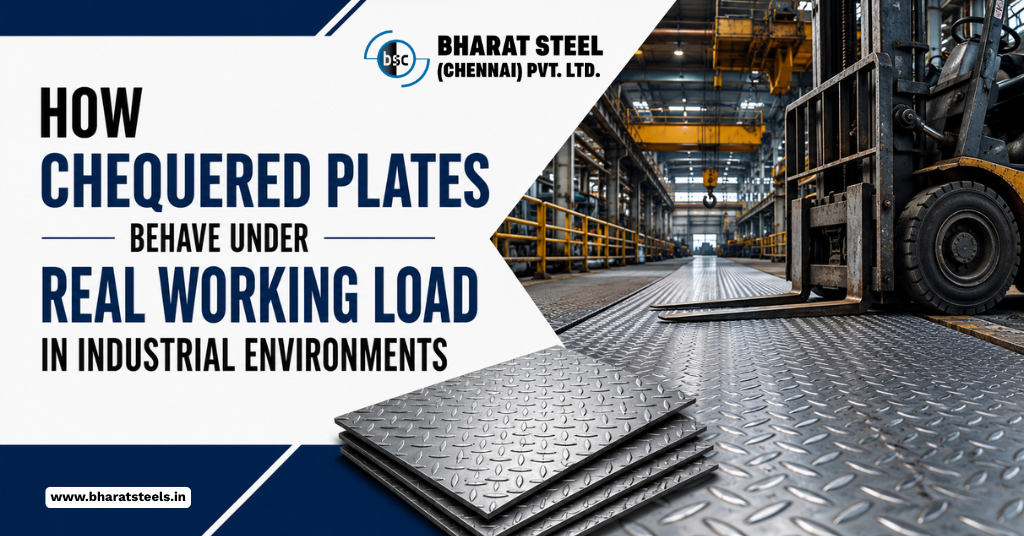
How Chequered Plates Behave Under Real Working Load in Industrial Environments 

May 20, 2026
Chequered Plates

Industrial spaces deal with heavy machines, constant movement, and tough working conditions every day. In factories, warehouses, loading docks, and mezzanine floors, the flooring needs to stay strong and safe even under continuous pressure and regular use. That is why Chequered Plates are commonly used in industrial flooring applications and modern pre-engineered industrial buildings. 

Chequered Plates are popular because they offer good grip, strength, and durability. They are widely used in factory walkways, warehouse platforms, staircases, and machine areas where heavy loads and daily movement are common. Their raised pattern helps reduce slipping, making them a practical choice for industrial environments. 

Compared to plain steel sheets, Chequered Plates can handle working loads more effectively and provide better stability. However, their long-term performance depends on factors such as plate thickness, steel quality, installation, support structure, and exposure to moisture or harsh conditions. Understanding how these plates behave under real working loads helps industries choose the right flooring solution for safety and long-term use. 

How Chequered Plates Perform Under Heavy Industrial Loads 

The real test of quality in Chequered Plates comes when subjected to extensive industrial use. Floor systems must withstand repetitive stresses each day, and poor-quality material tends to bend, deteriorate surface, and become structurally compromised. 

Quality Plates are manufactured to withstand flexure and maintain their structural integrity against loads. But maintaining performance depends on the proper choice of thickness and spacing for the floor support. 

When thin steel plates are used in heavily loaded areas without adequate support, the floors tend to deflect and lose integrity. That is why industrial designers need to do a careful analysis of the expected loads before choosing robust floor plates. 

But even quality steel plate systems can fail early due to: 

  •  Wrong spacing of the support 
  • Poor welding 
  • Underestimating load requirements 

It is just as important to install floor systems well as manufacture them. 

How Chequered Plates Improve Slip Resistance in Industrial Conditions  

The safety aspect plays a key role when it comes to the selection of chequered plates. Slippery flooring can cause significant safety hazards, especially where there is water, chemical substances, oils, or dust particles present in the environment. 

The texture of chequered plates makes it easier to achieve stability during movement on the floor. In comparison to other steel plates, anti-slip steel plates provide stability not only for people but also for machinery and equipment used in the manufacturing process. 

they are highly valued in situations including: 

  • Wet processing zones 
  • Open-air steel structures 
  • High-oil zones in factories 

This ensures a safe operation and helps in maintaining the flow of activities. 

How Chequered Plates Maintain Structural Stability Under Industrial Loads 

The long-term efficacy of Chequered Plates becomes clearer over prolonged industrial operations since flooring constantly gets subjected to stress. Inferior materials tend to become deformed or show signs of wear and tear over a period. 

Chequered Plates that are of high quality are designed not to bend and to remain structurally sound under industrial stress. However, performance ultimately depends on the proper selection of thickness and correct under-flooring support spacing. 

Inappropriate use of thin plates for high-stress industrial areas will cause such flooring to sag due to inadequate support spacing, which makes it necessary for engineers to make calculations beforehand in terms of the loads they might bear before purchasing such flooring. 

Environmental Conditions That Affect the Durability of Chequered Plates  

The industrial setting imposes conditions other than direct loading on the floor; environmental conditions such as moisture, exposure to chemicals, weather conditions, and variations in temperature may have an impact on chequered plate durability. 

Untreated steel in a humid and corrosive environment is highly susceptible to corrosion, leading to structural weakness of the flooring system and increased costs for maintenance. 

Many industrial companies use corrosion-resistant steel plates coated with anti-corrosive materials or galvanized to increase the durability of chequered plates used in an industrial setting. 

Steel, according to the World Steel Association, continues to be the most reliable material available in the industry today because of its durability and performance. 

Maintaining steel floors and inspecting them on regular basis will improve their durability through detection of:  

  • Wear on the surface 
  • Corrosion development 
  • Damage to the structure 
  • Instability of the support 

Maintenance will minimize the risk of failures. 

Factors to Consider Before Selecting Chequered Plates 

Selecting the right Plates depends on the working environment and operational load requirements. Choosing the wrong specification can affect both safety and long-term durability. 

Important factors to consider include: 

  • Load intensity and traffic movement  
  • Environmental exposure conditions  
  • Plate thickness and steel grade  
  • Surface protection requirements  

Heavy-duty industrial flooring applications usually require thicker wear-resistant steel plates capable of handling continuous machinery movement and operational stress. 

Businesses also prefer sourcing industrial steel materials from reliable distributors who supply certified products suitable for demanding industrial environments. In South India, Bharat Steel Chennai supplies structural steel products and industrial steel materials used across manufacturing, infrastructure, and construction sectors. 

Conclusion: 

Chequered plates have continued to be recognized as some of the most reliable choices for industrial flooring applications due to their ability to bear substantial loads, their non-slippery surfaces, and their superior durability. Indeed, in practice, chequered plates have been found to suit numerous industrial applications, such as flooring factories, flooring warehouses, steel platforms, and industrial walkways. 

Despite this, the efficiency is highly reliant on the appropriate selection of the right thicknesses, use of high-grade steels, installation in supportive structures, as well as protective coatings when necessary to increase their longevity and safety. 

For high-quality chequered plates that are known to offer structural efficiency, increased safety, and extended lifespans in challenging industrial applications, Please Contact Bharat Steel Chennai. 

Frequently asked questions (FAQ): 

Q. What are Chequered Plates used for in industries? 

A. Chequered Plates are used for industrial flooring, walkways, staircases, loading platforms, and vehicle flooring because they provide strength, durability, and anti-slip protection. 

Q. Are Chequered Plates suitable for heavy industrial loads? 

A. Yes, Chequered Plates are designed to handle heavy industrial loads when the correct thickness, steel grade, and support structure are used. 

Q. How do Chequered Plates improve workplace safety? 

A. Chequered Plates improve workplace safety through their raised surface pattern, which increases grip and reduces slipping risks in wet, oily, or dusty environments. 

Q. Do Chequered Plates rust in industrial environments? 

A. Chequered Plates can develop rust if left untreated in moisture-prone environments. Galvanized or coated plates offer better corrosion resistance and longer service life. 

Q. What thickness of Chequered Plates is best for industrial flooring? 

A. The ideal thickness depends on the load requirement and application. Heavy-duty industrial flooring usually requires thicker Chequered Plates for better structural stability and durability. 
Blog, Chequered Plates Industrial Enviroments, MS Chequered plates, Working Load

Steel Chequered Plates

March 4, 2018

Steel chequered plates are widely used in industrial and commercial environments where a durable metal surface with improved underfoot grip is required. Recognised by their raised patterns, these plates are commonly installed in factory floors, staircases, access platforms, walkways and vehicle bodies. Their combination of mechanical strength, surface texture and fabrication flexibility makes them a practical choice for numerous engineering applications.

Selecting the right plate involves more than comparing thickness and price. Pattern configuration, steel grade, load-bearing requirements, installation conditions and surface protection all influence its suitability. Understanding these factors helps buyers, fabricators and project contractors choose materials that meet their operational requirements.

What Are Steel Chequered Plates?

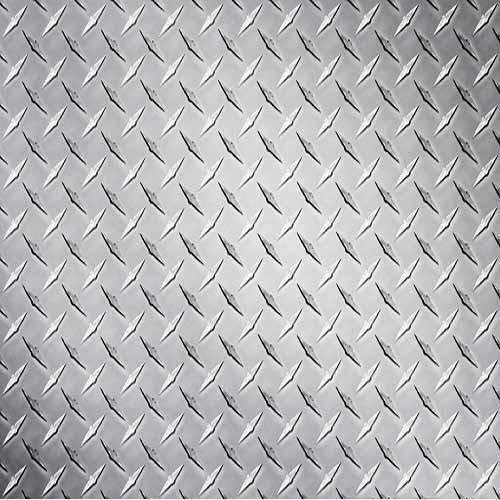
Steel chequered plates are flat steel sheets manufactured with raised patterns on one surface. These patterns create additional surface texture, helping improve traction compared with a plain steel plate under suitable conditions.

Depending on the manufacturing process and product specification, the raised design may consist of elongated bars, diamond-like shapes or other repeating patterns. The reverse side is generally flatter, allowing the material to be incorporated into fabricated assemblies.

These products are available in different thicknesses, dimensions and steel specifications. The appropriate selection depends on the intended application, expected loading and the requirements of the fabrication or construction drawing.

Key Features of Chequered Steel Plates

Several characteristics make patterned steel plates suitable for demanding industrial environments.

Improved surface grip: Raised patterns provide additional traction for pedestrian movement. However, oil, grease, water and other contaminants can still create slipping hazards, so suitable housekeeping and safety measures remain necessary.

Mechanical durability: Steel provides a strong base material for flooring, platforms and protective surfaces when the plate thickness and grade are appropriately specified.

Fabrication flexibility: These plates can be cut, welded and incorporated into a variety of fabricated structures using suitable procedures.

Practical maintenance: Steel surfaces can generally be inspected, cleaned and maintained using methods appropriate to their finish and operating environment.

Versatile applications: Their combination of surface texture and structural utility makes them suitable for industrial, commercial and transportation-related projects.

Common Applications of Steel Chequered Plates

1. Industrial Flooring and Access Platforms

Manufacturing facilities frequently use patterned plates for maintenance platforms, equipment access areas and selected working surfaces. The raised texture can improve footing, while the steel base provides a durable surface when designed for the expected loads.

Plate thickness, support spacing, deflection limits and connection details must be evaluated before installation. Areas exposed to chemicals, oil or frequent washing may also require additional slip-resistance measures.

2. Staircases and Walkways

Steel chequered plates are used in industrial stair treads, service walkways and access routes where a textured surface is desirable. They can be fabricated to suit different dimensions and structural arrangements.

For these applications, designers should consider pedestrian traffic, support conditions, drainage, edge protection and applicable workplace safety requirements. The raised pattern alone does not guarantee a safe walking surface in every environment.

3. Factory and Warehouse Infrastructure

Factories and warehouses may incorporate these plates into machine access platforms, inspection areas, mezzanine components and equipment enclosures.

Their suitability depends on the nature of the operation, the loading conditions and the required maintenance access. Correct fabrication and installation are essential to avoid loose edges, excessive movement or unsupported sections.

4. Transportation and Vehicle Bodies

Their surface texture can be useful in areas where personnel or cargo interact with metal flooring.

The material specification should account for the vehicle’s payload, vibration, impact exposure and fabrication requirements. Weight is also an important consideration because increasing plate thickness can affect the overall mass of the assembly.

5. Construction and General Fabrication

Contractors and fabricators use patterned steel plates in industrial buildings, service areas, protective covers and customised metal assemblies. Their ability to be cut and joined makes them adaptable to project-specific dimensions.

The finished component should be checked against the engineering drawings, particularly where it forms part of a load-bearing structure or an access system.

How to Choose the Right Chequered Plate

Selecting a suitable product requires a clear understanding of the operating conditions and technical requirements.

1. Check Plate Thickness

Thickness influences the plate’s stiffness, weight and capacity to withstand the intended loading. A thin plate may be adequate for one application but unsuitable for a heavily loaded platform or vehicle floor.

The required thickness should be established using the design loads, support spacing and relevant engineering calculations. Raised pattern height and base-metal thickness should not be confused when checking product specifications.

2. Verify the Steel Grade

The steel grade determines important mechanical properties and must suit the intended application. Buyers should check the specified material grade, applicable standards and supporting test documentation rather than relying only on a generic product description.

For projects involving welding or specialised fabrication, the material’s suitability for the planned process should also be confirmed.

3. Consider Dimensions and Weight

Standard or project-specific plate dimensions should be matched to the fabrication layout. Correct sizing can reduce unnecessary cutting, material waste and handling effort.

Weight calculations should use the relevant base-metal dimensions and verified product data. The raised pattern may affect the actual mass, so supplier specifications should be consulted for accurate estimates.

4. Assess Environmental Exposure

Indoor installations, outdoor platforms and coastal industrial facilities can have different corrosion risks. Where moisture, chemicals or corrosive atmospheric conditions are present, suitable protective coatings or other corrosion-control measures may be required.

The protection system should be compatible with the operating environment and the expected maintenance schedule.

5. Review Quality and Supplier Documentation

Before procurement, verify thickness, dimensions, grade, surface condition and applicable inspection requirements. Material test certificates and traceability records can help establish whether the supplied product matches the approved specification.

Reliable supply coordination is especially important for projects requiring multiple plate sizes or scheduled deliveries.

Steel Chequered Plates vs Plain Steel Plates

The main difference is the surface profile. Chequered plates have raised patterns that can provide additional traction, while plain plates offer a flat surface that may be preferred for applications requiring smooth contact or specific fabrication finishes.

Neither option is universally superior. Patterned plates are useful where surface grip is a consideration, whereas plain sheets may be more suitable for panels, covers and fabricated components where a smooth finish is needed.

Load capacity depends on the material grade, base thickness, support arrangement and design conditions—not simply on whether the surface is patterned.

Conclusion

Steel chequered plates offer a practical solution for industrial flooring, access platforms, staircases, vehicle bodies and general fabrication. Their raised patterns can improve underfoot traction, while the steel base provides durability when the material is correctly selected and installed.

For buyers, the most important considerations are base-metal thickness, grade, dimensions, loading requirements, environmental exposure and product documentation. Evaluating these factors before procurement helps reduce material mismatches and supports dependable performance throughout the component’s service life.

Bharat Steel Chennai supplies steel products for construction, industrial and fabrication requirements. By matching material specifications with approved project drawings and operational needs, businesses can make informed procurement decisions for their steel plate applications.

Blog, Chequered Plates Chequered Plates in Chennai

Recent Posts

  • Why E250 & E350 Plates Price Varies Across Thickness and Dimensions 
  • Why Factory Cut Ready to Use Steel Is Reducing Project Delays in Industrial Expansion Projects 
  • The Function of Base Plates in Transferring Structural Loads from Steel Columns to Foundations 
  • The Dependence of Modern Logistics Parks on Advanced Structural Steel Sections
  • The Future of Construction Depends on Reliable TMT Bar Suppliers

Idealist by NewMediaThemes