
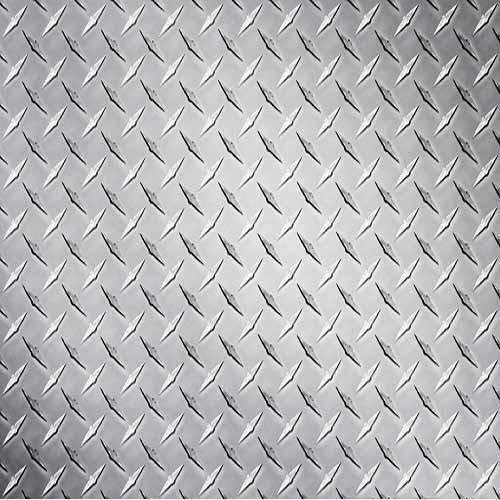
Steel chequered plates are widely used in industrial and commercial environments where a durable metal surface with improved underfoot grip is required. Recognised by their raised patterns, these plates are commonly installed in factory floors, staircases, access platforms, walkways and vehicle bodies. Their combination of mechanical strength, surface texture and fabrication flexibility makes them a practical choice for numerous engineering applications.
Selecting the right plate involves more than comparing thickness and price. Pattern configuration, steel grade, load-bearing requirements, installation conditions and surface protection all influence its suitability. Understanding these factors helps buyers, fabricators and project contractors choose materials that meet their operational requirements.
What Are Steel Chequered Plates?
Steel chequered plates are flat steel sheets manufactured with raised patterns on one surface. These patterns create additional surface texture, helping improve traction compared with a plain steel plate under suitable conditions.
Depending on the manufacturing process and product specification, the raised design may consist of elongated bars, diamond-like shapes or other repeating patterns. The reverse side is generally flatter, allowing the material to be incorporated into fabricated assemblies.
These products are available in different thicknesses, dimensions and steel specifications. The appropriate selection depends on the intended application, expected loading and the requirements of the fabrication or construction drawing.
Key Features of Chequered Steel Plates
Several characteristics make patterned steel plates suitable for demanding industrial environments.
Improved surface grip: Raised patterns provide additional traction for pedestrian movement. However, oil, grease, water and other contaminants can still create slipping hazards, so suitable housekeeping and safety measures remain necessary.
Mechanical durability: Steel provides a strong base material for flooring, platforms and protective surfaces when the plate thickness and grade are appropriately specified.
Fabrication flexibility: These plates can be cut, welded and incorporated into a variety of fabricated structures using suitable procedures.
Practical maintenance: Steel surfaces can generally be inspected, cleaned and maintained using methods appropriate to their finish and operating environment.
Versatile applications: Their combination of surface texture and structural utility makes them suitable for industrial, commercial and transportation-related projects.
Common Applications of Steel Chequered Plates
1. Industrial Flooring and Access Platforms
Manufacturing facilities frequently use patterned plates for maintenance platforms, equipment access areas and selected working surfaces. The raised texture can improve footing, while the steel base provides a durable surface when designed for the expected loads.
Plate thickness, support spacing, deflection limits and connection details must be evaluated before installation. Areas exposed to chemicals, oil or frequent washing may also require additional slip-resistance measures.
2. Staircases and Walkways
Steel chequered plates are used in industrial stair treads, service walkways and access routes where a textured surface is desirable. They can be fabricated to suit different dimensions and structural arrangements.
For these applications, designers should consider pedestrian traffic, support conditions, drainage, edge protection and applicable workplace safety requirements. The raised pattern alone does not guarantee a safe walking surface in every environment.
3. Factory and Warehouse Infrastructure
Factories and warehouses may incorporate these plates into machine access platforms, inspection areas, mezzanine components and equipment enclosures.
Their suitability depends on the nature of the operation, the loading conditions and the required maintenance access. Correct fabrication and installation are essential to avoid loose edges, excessive movement or unsupported sections.
4. Transportation and Vehicle Bodies
Their surface texture can be useful in areas where personnel or cargo interact with metal flooring.
The material specification should account for the vehicle’s payload, vibration, impact exposure and fabrication requirements. Weight is also an important consideration because increasing plate thickness can affect the overall mass of the assembly.
5. Construction and General Fabrication
Contractors and fabricators use patterned steel plates in industrial buildings, service areas, protective covers and customised metal assemblies. Their ability to be cut and joined makes them adaptable to project-specific dimensions.
The finished component should be checked against the engineering drawings, particularly where it forms part of a load-bearing structure or an access system.
How to Choose the Right Chequered Plate
Selecting a suitable product requires a clear understanding of the operating conditions and technical requirements.
1. Check Plate Thickness
Thickness influences the plate’s stiffness, weight and capacity to withstand the intended loading. A thin plate may be adequate for one application but unsuitable for a heavily loaded platform or vehicle floor.
The required thickness should be established using the design loads, support spacing and relevant engineering calculations. Raised pattern height and base-metal thickness should not be confused when checking product specifications.
2. Verify the Steel Grade
The steel grade determines important mechanical properties and must suit the intended application. Buyers should check the specified material grade, applicable standards and supporting test documentation rather than relying only on a generic product description.
For projects involving welding or specialised fabrication, the material’s suitability for the planned process should also be confirmed.
3. Consider Dimensions and Weight
Standard or project-specific plate dimensions should be matched to the fabrication layout. Correct sizing can reduce unnecessary cutting, material waste and handling effort.
Weight calculations should use the relevant base-metal dimensions and verified product data. The raised pattern may affect the actual mass, so supplier specifications should be consulted for accurate estimates.
4. Assess Environmental Exposure
Indoor installations, outdoor platforms and coastal industrial facilities can have different corrosion risks. Where moisture, chemicals or corrosive atmospheric conditions are present, suitable protective coatings or other corrosion-control measures may be required.
The protection system should be compatible with the operating environment and the expected maintenance schedule.
5. Review Quality and Supplier Documentation
Before procurement, verify thickness, dimensions, grade, surface condition and applicable inspection requirements. Material test certificates and traceability records can help establish whether the supplied product matches the approved specification.
Reliable supply coordination is especially important for projects requiring multiple plate sizes or scheduled deliveries.
Steel Chequered Plates vs Plain Steel Plates
The main difference is the surface profile. Chequered plates have raised patterns that can provide additional traction, while plain plates offer a flat surface that may be preferred for applications requiring smooth contact or specific fabrication finishes.
Neither option is universally superior. Patterned plates are useful where surface grip is a consideration, whereas plain sheets may be more suitable for panels, covers and fabricated components where a smooth finish is needed.
Load capacity depends on the material grade, base thickness, support arrangement and design conditions—not simply on whether the surface is patterned.
Conclusion
Steel chequered plates offer a practical solution for industrial flooring, access platforms, staircases, vehicle bodies and general fabrication. Their raised patterns can improve underfoot traction, while the steel base provides durability when the material is correctly selected and installed.
For buyers, the most important considerations are base-metal thickness, grade, dimensions, loading requirements, environmental exposure and product documentation. Evaluating these factors before procurement helps reduce material mismatches and supports dependable performance throughout the component’s service life.
Bharat Steel Chennai supplies steel products for construction, industrial and fabrication requirements. By matching material specifications with approved project drawings and operational needs, businesses can make informed procurement decisions for their steel plate applications.