Skip to content

Bharat Steels

Blog

  • Home
  • About Us
  • Long Products
    • TMT Rebars
    • M.S.Angles
    • M.S.Channels
    • M.S.Beams
    • M.S.Rounds
  • Flat Products
    • H.R.Sheets
    • M.S.Plates
    • MS Flates / GI Flates
    • Chequered Plates
  • Weight Calculator
  • Roofing
  • PEB
  • Blog
  • Contact
  • Download
Bharat Steels

Tag: Steel Dealers

Applications of Steel

October 11, 2018
Steel dealers

Steel dealers used to supply three variations of steel namely mild steel, carbon steel and stainless steel and these materials are available in these variations which depend upon the percentage of components present in it.
Mild steel is commonly used in many areas of industrial and domestic settings and it is the cheapest type of steel of all the three variations. It is the most widely used type of steel because of the large amount of properties. It is highly durable, magnetized and welded.
Applying the faint coat or a coat of paint or oil or a grease coat used to prevent the steel from rusting easily by sealing the metal surface from being exposed to the environment. Steel chequered plates are widely used in the frame of motorbike to automobiles mounts to the large pipelines in the industry. All these projects that commonly require the large amounts of metal used to opt for mild steel.
Carbon steel is another type of steel that does not contain any percentage of alloying elements which are made by adding the carbon to iron for lending the strength to the metal. There are four types of carbon steel namely low, medium, high and ultra-high which are commonly used in construction of wire products, ships, domestic appliances and also automobiles. Steel suppliers used to supply the carbon steel pipe which is commonly used in various industrial applications.
Anti-corrosive is another property of the stainless steel which guarantees the presence of hygiene and offers the safety in all the applications. They are commonly used in various domestic kitchens and also they are used to make the sheaves which are needed in power transmission. Duplex, ferritic, austenitic and martensitic steel are the four types of stainless and they are majorly used in wide range of constructional structures, household products and many more.

Blog Steel chequered plates, Steel Dealers, Steel Dealers in Chennai

Steel Products and its Applications

September 12, 2018

Among the topmost manufacturing industries all over the world, the steel industry plays a leading role. The reason is that most of the products, as well as the other manufacturing industries, depend upon steel in any form or other in the manufacture of their products. Steel is an alloy of copper and iron. Iron is also used in manufacturing many important products like rods, engines, motors, etc. Steel is used in almost all factories like construction products, medical equipment, electrical material, automobile parts including air crafts and so on. These companies use steel in the majority of their products because of its durability and strong resistance to corrosion.

In our Bharat Steels, we primarily focus upon the constructing materials like TMT Bars, C purlins, Z purlins, MS steel plates, Steel chequered plates and so on. We deliver the products with high-quality materials so that it can last for a long period of time. It also satisfies the needs of our customers. MS steel plates are used in many appliances and in steel frame buildings, machinery parts, pipelines, metal gate and so on. We are the best MS plate suppliers in Chennai. The old steel products are recycled and are reused with the new products. This makes our company environmental friendly too.

Blog Steel Dealers, Steel Suppliers

Presence of Steel in Various Platforms

September 5, 2018

Steel is an important metal used mostly in all industries. Steel is the combination of iron and copper and some other metals. It is used mainly in construction field because of its high tensile power and durability. It is low of cost and also its maintenance charge is low. It can be welded to any shape and form which an architect prefers to do. Steel is also used in the automobile industry as the upper part of vehicles and also some important parts in motors as well as in the form of bolt, nuts, and needles. In the medical field, steel is manufactured in the form of surgical instruments which are the most essential part of the field. Even in the day to day life of all human beings, steel is used in the form of stainless steel utensils which every human use as the basic thing for serving food and to cook.

In our company, steel is manufactured with high-quality products. Our TMT Bars are more durable as they are manufactured with highly defined material and new technology machines. We also manufacture c purlins and z purlins which are the important materials used in the construction of a building. Our company focuses mainly on the construction field, as it requires more steel with high quality. We try our best to fulfill the needs of our costumer so that they can live a peaceful life in their home.

TMT Bars Steel chequered plates, Steel Dealers

How Steel Occupied the World?

August 22, 2018

Steel has become one of the leading and very important metal all over the world. Most of the industries manufacture various products using steel. According to one of the studies on steel, 1535 million metric tones of steel has been used all over the world within the year 2015. Steel is used in most of all fields because of its high resistance and its power of anti-corrosion. Steel is trusted for its durability and also it can be recycled in many ways. India is said to be the second largest producer of crude steel after Japan. Our country is the fourteenth largest exporter of steel globally. Nepal, Belgium, and Bangladesh are the biggest buyers of steel from India.

Steel is manufactured in different forms and is used in various industries including construction, automobiles, medical field, electrical field, and so in. Construction works are dined all through the world and without the steel products, a building will not be strong. For a strong building, steel is used in the form of TMT Bars, c purlins, z purlins, roofing sheets, etc. TMT Bars are the strongest form of steel as it is twisted into many layers so that it can long last for hundreds of years. As steel has a strong resistance to corrosion, it can fight against all climatic conditions and make the building strong.. These should be manufactured with good quality steels and also in exact shape and size so that it can be fixed easily. Steel can also be used as the roof of a building.

Blog Steel Dealers, Steel Dealers in Chennai, Steel Suppliers, Steel Suppliers in Chennai

Key Facts about the Steel Industries

July 25, 2018

It is generally used in the buildings for its strength to weight ratio and resistance to breakage property.  The Steel dealers have a network that operates country wide with high quality steel in all areas. It is an environment friendly as it recyclable continually in all aspects. The steel construction is tend to gain popularity across the country and many of the wonders are made out of steel. Steel is said to steadily spread fast across the world after its marvellous invention that reaches most of the cultures and has many uses.

The Steel Suppliers in Chennai is the one stop solution for the construction purposes at a low price. In the early days steel was used as weaponry because of its shape which is much better than the iron. After that it has found variety of uses in the industries and also in the domestic purposes. The quarter part of the steel in the world is being used by the construction industries that can be seen by the every building in this world. Structural steel is widely used as a construction material, forming the backbone of buildings, bridges, and industrial frameworks. Different grades of structural steels are chosen based on strength and durability requirements. They are also found in applications like pipelines, transmission towers, rail tracks, and heavy machinery.

Blog Steel Dealers, Steel Dealers in Chennai

WORRIED ON CORROSION? START WORKING ON PROTECTION

June 22, 2018
Star steel protection

Steel is widely used in buildings, industrial equipment, fabrication and infrastructure because of its strength and versatility. However, exposure to moisture, oxygen, salts and certain chemicals can gradually damage unprotected surfaces. Over time, this deterioration may affect appearance, maintenance requirements and, in severe cases, the performance of structural components.

Preventing corrosion begins with understanding the conditions that cause it. Choosing suitable materials, applying appropriate protective systems and carrying out regular inspections can help extend the service life of steel products. For construction companies, fabricators and industrial operators, a planned approach to corrosion control is an important part of material management.

What Causes Corrosion in Steel?

Corrosion is a chemical or electrochemical process in which a metal reacts with its surroundings and gradually deteriorates. For ordinary carbon steel, exposure to water and oxygen can lead to the formation of rust. Dissolved salts and certain pollutants may accelerate the process.

The rate of deterioration depends on several factors, including humidity, temperature, surface contamination, protective coatings and the duration of exposure. Steel stored outdoors without suitable protection may develop surface rust, while components in coastal or chemically aggressive environments can require more specialised protection.

Corrosion can also occur in areas that retain moisture, around damaged coatings or at joints where contaminants accumulate. Identifying these conditions early helps determine the most suitable preventive measures.

1. Choose Materials According to the Operating Environment

Selecting an appropriate steel grade is the first step in managing corrosion risk. Different products are designed for different purposes, and their resistance to environmental exposure varies.

Carbon steel is commonly used for structural frameworks, plates, reinforcement and fabricated components. In many applications, it requires a suitable protective coating to reduce contact with corrosive agents.

Stainless steel may be appropriate where enhanced corrosion resistance is required, although its performance depends on the specific grade and the environment. Galvanised steel, which has a zinc coating, is another option for applications requiring additional protection.

The decision should consider the installation location, expected service life, maintenance access and project budget. Selecting a more corrosion-resistant material may involve a higher initial cost but can be beneficial where maintenance or replacement would be difficult.

2. Apply Suitable Protective Coatings

Protective coatings create a barrier between the steel surface and its surroundings. The choice of coating depends on the operating conditions, surface preparation requirements and expected maintenance cycle.

Paint systems: Industrial paints and protective coatings can reduce exposure to moisture and oxygen when applied correctly. Surface preparation, primer selection, coating thickness and curing conditions influence the result.

Hot-dip galvanising: This process applies a zinc coating that provides barrier protection and sacrificial protection to the underlying steel. It is commonly used for selected outdoor and industrial components.

Specialised coating systems: Certain environments may require epoxy coatings or other systems designed for chemical exposure, abrasion or demanding service conditions.

Coatings should be selected according to the manufacturer’s recommendations and the applicable project specification. Damaged areas, exposed edges and locations affected by fabrication may require suitable touch-up or repair procedures.

3. Control Moisture and Improve Drainage

Water retention is a common contributor to corrosion, particularly where steel surfaces remain damp for extended periods. Good design and storage practices can reduce unnecessary exposure.

For fabricated structures, drainage arrangements should prevent water from collecting on horizontal surfaces and inside unsuitable details. Joints and enclosed sections should be designed and sealed or drained appropriately for their intended use.

During storage, steel products should be placed on suitable supports rather than directly on wet ground. Adequate separation between materials allows air circulation and helps prevent trapped moisture.

Where condensation is likely, ventilation and environmental controls may help reduce the time surfaces remain wet. These measures are especially useful in warehouses, workshops and facilities exposed to humidity.

4. Pay Attention to Coastal and Industrial Environments

Buildings and equipment located near the coast may experience airborne salts and high humidity. Industrial facilities can also expose steel to pollutants, process chemicals or corrosive vapours.

Under these conditions, a basic protective finish may not provide sufficient long-term performance. Material selection and coating specifications should reflect the severity of exposure.

For coastal installations, suitable galvanised or coating systems may be considered depending on the component and its intended service life. In chemical processing areas, the specific substances involved must be identified before choosing a protective material.

Regular cleaning may help remove accumulated salts or contaminants where the component and environment permit it. Inspection intervals should be established according to exposure severity and the consequences of coating failure.

5. Inspect Steel Components and Repair Damage Early

Even a well-protected surface can deteriorate through mechanical damage, weathering or ageing. Routine inspections help identify warning signs before the affected area becomes more extensive.

Look for reddish-brown deposits, blistering paint, peeling coatings, pitting and moisture accumulation. Particular attention should be given to joints, fasteners, welds, cut edges and locations that are difficult to access.

When damage is found, the affected area should be assessed and repaired using the specified procedure. This may involve removing loose corrosion products, preparing the surface and applying a compatible protective coating.

For load-bearing members, significant section loss or suspected structural damage should be evaluated by a qualified professional. Simply painting over active corrosion may conceal the problem without resolving its cause.

6. Handle and Store Steel Products Correctly

Transportation, unloading and storage practices can affect the condition of steel products before fabrication or installation.

Keep materials organised, dry and protected from unnecessary exposure. Avoid handling methods that cause deep scratches, dents or coating damage.

Inventory rotation can also help reduce prolonged storage. Before fabrication begins, check the condition of supplied material and confirm that any required surface preparation or coating repairs have been completed.

For procurement teams, coordinating deliveries with production schedules can reduce storage time and minimise the risk of weather-related deterioration.

7. Build Corrosion Protection Into Maintenance Planning

Corrosion control is most effective when it forms part of the overall asset-management strategy rather than being treated as an occasional repair task.

A maintenance plan should identify critical components, establish inspection intervals and record the condition of protective finishes. The frequency of inspections should reflect the environment, coating system, accessibility and importance of the component.

Maintenance records help identify recurring problem areas and determine whether the existing protection method remains suitable. If corrosion repeatedly develops in the same location, the underlying cause—such as poor drainage, coating damage or chemical exposure—should be investigated.

For industrial buildings, coordinated inspections of structural members, roofing supports and exposed fabricated components can help maintenance teams prioritise work and manage repair costs.

Conclusion

Corrosion can affect steel products in many environments, but appropriate preventive measures can significantly reduce the risk of premature deterioration. Selecting suitable materials, applying compatible protective coatings, managing moisture and inspecting components regularly all contribute to better long-term performance.

The correct strategy depends on the steel grade, installation conditions and expected service life. No single coating or material is ideal for every application, so technical specifications should guide the final decision.

Bharat Steel Chennai supports construction and industrial procurement requirements through its range of steel products, including HR coils, plates and structural sections. By coordinating material selection with project specifications and suitable protection practices, businesses can help maintain the quality and serviceability of their steel components.

Blog Steel chequered plates, Steel Dealers, Steel Suppliers

Speed of construction with the Steels in our day to day life

May 31, 2018
Stainless-Steel-Products

The SAIL and RNL produce the top quality branded steel products that are used in certain companies. The Steel Dealers are basically concerned about delivering the high-quality steel and Iron products. The client requirements are met accordingly by selling the range of Iron and steel products at varied sizes. The company ensures the delivery, prices and the quality of the products. The usage of the steel in inevitable and it gives a great support to the building structure.

The Steel Suppliers are ought to have a dealing with the main steel manufacturers, importers in tracing the good quality materials. The architects value it owing to the freedom that is given to generate the new buildings. The benefit associated with the construction of steel is enormous. It also ensures long-term adaptability, durability, and the main one is cost effective. The buildings that are constructed by using steel give more strength than any other materials that have been used in the construction process.

The best TMT bars are offered by the companies at an affordable price. The construction that relies on steel is ought to be built easier. The fast process is possible owing to its accuracy of the parts of the steel. The erecting steel is made easy for building purposes when compared to the concrete frame. The city projects appreciate steel for its short time taken during the construction process. It avoids the disruptions caused to the nearby roads and buildings.

The steel price seemed to have reduced in recent years. This is mainly due to the effective techniques that have been followed in the supply chain. We are considered to be the best Steel Dealer in Chennai owing to the first class quality products. Steel doesn’t undergo decaying or aging like any other material. Hence it is said to be highly durable and long-lasting. This material doesn’t distort, clink, warp, and splinter. According to our requirements, we can redesign the shape of the material.

The leading Steel Suppliers in Chennai provides various materials that have been used for construction at an affordable cost. It ensures the health and also safety in all kinds of building the structure. Steel is considered to be the safest choice of material in the construction purposes. The steel dealers and suppliers provide good quality products for both residential and also commercial purposes.


Blog Steel Dealers, Steel Suppliers

Benefits of Steel in the Construction purposes

May 17, 2018
steel

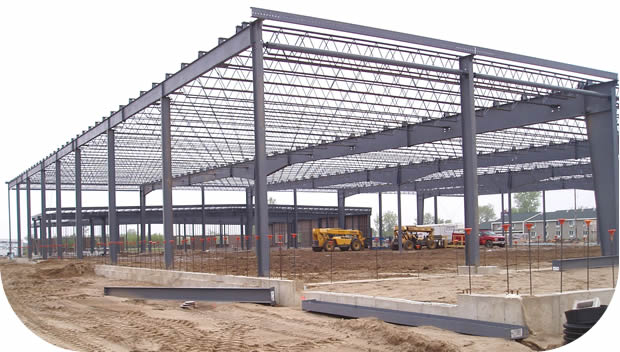
Construction projects require materials that can meet structural demands, support efficient execution and remain suitable throughout a building’s service life. Steel has become an important material in modern construction because of its strength, predictable engineering properties and ability to accommodate different structural designs. From industrial buildings and warehouses to commercial developments and infrastructure, steel supports a wide range of applications.

However, the value of steel extends beyond its ability to carry loads. Its performance depends on appropriate design, material selection, fabrication quality and protection against environmental conditions. Understanding these factors helps construction teams determine where steel offers practical advantages.

1. High Strength for Structural Applications

One of the main benefits of steel in construction is its ability to carry substantial loads relative to its weight. Structural steel sections, including beams, columns and channels, are designed to resist different forces within a building frame.

This strength makes steel suitable for structures that require large open areas, considerable building heights or long spans between supports. Warehouses, manufacturing facilities and commercial buildings can benefit from structural arrangements that provide usable space without placing columns at unnecessarily close intervals.

The actual performance of a steel member depends on its grade, cross-sectional dimensions, connection details and the loads considered during design. Selecting the appropriate section is therefore essential to achieving the intended structural performance.

2. Greater Design Flexibility

Steel can accommodate a wide variety of architectural and engineering requirements. Structural members are available in different shapes and sizes, allowing designers to develop frames suited to the building’s dimensions, intended use and loading conditions.

For example, an industrial facility may require clear space for machinery, material movement and overhead handling equipment. A commercial building may need an adaptable floor layout, while an infrastructure project may involve specialised structural arrangements.

Steel components can be designed and connected to meet these different requirements. This flexibility also makes steel useful when future extensions or modifications are being considered, provided the original design and subsequent changes are properly assessed by qualified engineers.

3. Faster and More Organised Construction

Many steel components can be manufactured or prepared away from the construction site while foundation work and other activities proceed separately. Once the supporting works are ready, the components can be transported and assembled according to the erection sequence.

This approach can reduce the amount of work that must be completed at the project location. It may also help contractors organise labour, lifting equipment and material handling more efficiently.

These advantages are not automatic. Design changes, delayed material deliveries, inaccurate measurements or incomplete foundations can still disrupt the programme. Careful planning and coordination are essential to realise the scheduling benefits of steel construction.

4. Consistent Material Properties and Quality Control

Steel is manufactured to defined grades and specifications, providing engineers and procurement teams with a basis for evaluating its suitability for structural use.

Material identification, inspection records and relevant test certificates help buyers verify that supplied products correspond to the specified requirements. During fabrication, dimensional checks and inspection of connections can help confirm that components match the approved drawings.

This level of control is particularly important for projects involving numerous structural members or multiple delivery stages. If the material grade, dimensions or connection details differ from the approved design, the resulting discrepancies may affect fabrication and installation.

Reliable quality management therefore involves more than selecting a supplier. It includes checking specifications, reviewing documentation and maintaining inspection procedures throughout the project.

5. Efficient Use of Space

Steel framing is often selected when a building needs open interiors, long spans or carefully planned circulation areas. Depending on the structural system, it can provide the required load-carrying capacity without relying on closely spaced internal supports.

This is useful in logistics facilities, industrial sheds, production plants and large commercial spaces where columns can interfere with equipment layouts, storage arrangements or vehicle movement.

The benefits must be evaluated alongside the building’s overall requirements. Span length, roof loading, wind forces, service installations and deflection limits all influence the design. An efficient structural layout is one that balances usable space with safety, stability and material requirements.

6. Adaptability for Expansion and Modification

Business requirements often change after a building becomes operational. A manufacturing unit may introduce new equipment, a warehouse may change its storage arrangement, or a commercial facility may require additional floor space.

Their suitability depends on the existing design, foundation capacity, connection arrangements and the loads introduced by the proposed alteration.

Any modification should be evaluated by a qualified structural engineer before work begins. An extension must integrate safely with the existing structure rather than simply attach new members to the available frame.

When future development is anticipated, considering expansion requirements during the initial design can make later changes easier to assess and plan.

7. Durability and Maintenance Considerations

Steel structures can provide long service when they are correctly designed, installed, inspected and maintained. However, steel can corrode when exposed to moisture and other environmental conditions, particularly where protective coatings are damaged or maintenance is neglected.

Suitable protective systems may include paint coatings, galvanising or other treatments selected according to the exposure environment and project requirements. Drainage details, inspection access and maintenance planning also influence long-term performance.

Fire protection requires separate consideration because steel loses strength and stiffness as its temperature rises. Depending on the building’s fire-safety strategy, suitable fire-resistant protection and other measures may be necessary.

Durability should therefore be assessed through the complete design and maintenance plan rather than material strength alone.

8. Potential for Reuse and Recycling

Steel offers advantages in material recovery at the end of a building’s service life. It can be recycled, and certain structural components may be suitable for reuse when their condition, dimensions and connection details allow it.

The actual environmental benefit depends on several factors, including the source of the steel, manufacturing processes, transportation, construction methods and the proportion of material recovered. Reuse also requires appropriate inspection and engineering assessment to establish whether a component remains suitable for its intended application.

For project owners seeking to manage material use responsibly, considering dismantling, recovery and recycling during the design stage can support better resource planning.

9. Choosing the Right Steel for the Project

The advantages of steel can only be realised when the selected material matches the structural design and site conditions. Procurement teams should consider the required grade, section dimensions, quantities, documentation and delivery schedule before placing orders.

Structural steel beams, columns, angles and channels serve different design purposes, so material selection should follow the approved engineering specifications. Availability and processing requirements also need to align with the fabrication programme.

For construction projects in Chennai and across Tamil Nadu, Bharat Steel Chennai Pvt. Ltd. supplies structural steel products for industrial and construction applications. Buyers can discuss their project specifications and material requirements with the company when planning procurement.

Conclusion

Steel provides several practical advantages in construction, including high load-carrying capacity, design flexibility, efficient space planning and opportunities for controlled fabrication. It can also support organised project execution and future modifications when these requirements are addressed during design.

At the same time, successful steel construction depends on appropriate engineering, reliable material sourcing, accurate fabrication, suitable corrosion and fire protection, and ongoing maintenance. Evaluating these factors together allows developers, contractors and project owners to make informed decisions about where steel is the right choice for their building or infrastructure project.

Blog Steel Dealers, Steel Dealers in Chennai

Posts pagination

Prev 1 … 7 8

Recent Posts

  • The Future of Construction Depends on Reliable TMT Bar Suppliers
  • Buy HR Sheet at the Right Time by Tracking Steel Demand and Supply Trends
  • The Complete Industrial Guide to E250 Plates Price and Procurement Strategy 
  • MS Steel Supplier in Chennai for PEB and Industrial Construction Projects 
  • HR Sheets Today Rate and the Hidden Signals Behind Steel Market Movements

Idealist by NewMediaThemes