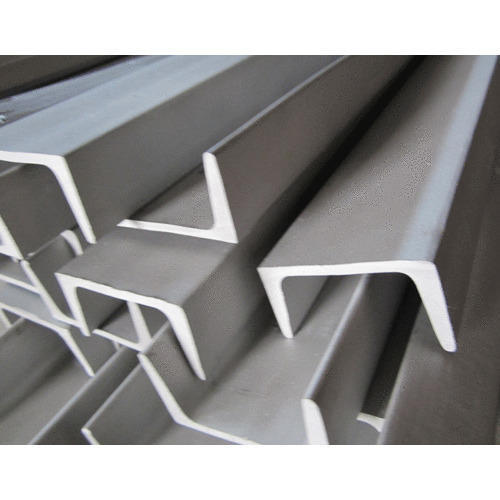
Benefits Of Steel In Various Industries

September 3, 2021
Stainless-Steel-Products

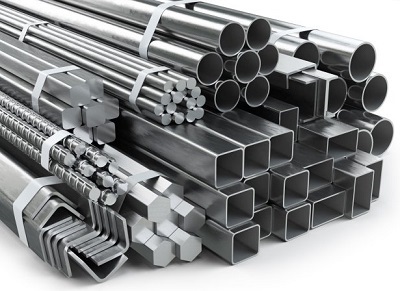
Steel is the soul of every construction that you see. There is always demand for steel, whatever the situation may be. The experts at Steelfab say that for the Dubai Expo, there was an increase in demand for steel across the UAE and GCC regions. The Expo telecasted the latest innovation of cutting, welding, grinding, tube machinery, pipe, and other technologies in steel. GCC regions continue to be the largest consumer of steel and invest more in the construction industry for the World Expo and FIFA world cup in Dubai. Hence, steel suppliers estimate that the rate of steel will grow dramatically by the end of the year. Therefore, with an increase in demand and supply, the price of steel varies accordingly. Hence, in this post, let us see the benefits of steel in various industries.

Construction:

The foremost and essential need for steel is for the construction industry. It is because of the enormous benefits of steel in the construction sector. Steel is the strongest material compared to metals. Commercial buildings and skyscrapers use the SAIL TMT bar as the core material for construction. It is one of the alloys that is formed from iron, carbon, manganese, nickel, and phosphorus. These minerals are found in abundance in nature and affordable. Due to its lightweight property, it is installed and removed easily. It also withstands extreme weather construction and lasts for a longer time.

Mining:

Mining is where valuable minerals and materials are extracted from the earth. Therefore, for the extraction process, the mining industry requires machines and devices with high strength. Hence, tools made of steel are commonly used in the mining industry. Tools and machines like pickaxes, shovels, hammers, chisels, loading machines, and many more use steel for their purpose.

Energy firms:

These are the energy sectors that use steel in their process. Steels are used as piping, oil and gas wells, turbines, reservoirs, and many more. An industry like gas, solar, nuclear, and wind use steel largely for their operations. Hence, steel plays a vital role in producing and improving energy efficiency. JSW steel dealers in Chennai are the high-rated dealers in steel that offer high-quality steel for energy firms.

Automobile:

Steel is commonly used metal in the automobile industry. It helps the manufacturers to attain the design and strength of the vehicles. The automobile industry manufactures steel with chromium, manganese, vanadium, and tungsten to have more tensile strength. The car bodies are made of this steel to have high resistance to physical factors. Advanced high-strength steel is the commonly used steel in the automobile industry.

Therefore, from making MS chequered plate for construction till automobile parts, steel is an essential metal. Hence, steel is a resource that enhances the structure of the building and protects the environment from pollution.
Three Common Types Of Steel That Are Used For Building Construction

August 25, 2021
Building Construction

We all know that a building cannot stand on its own without the help of steel and beams. It is an essential instrument for every contractor and builder. The world steel association reported that around 174.4 million tonnes of steel were produced worldwide by 64 countries last year. The construction industry used more than 50% of steel production. Hence, steel is the commonly used material for any construction. Steel dealers supply a wide variety of steel depending upon the structure and requirement of the building. Each steel is different in chemical composition, physical and mechanical properties, and grades. However, there are some common types of steel irrespective of the demand because of its enormous benefits. In this post, let us see more about the commonly used steel in the construction industry.

Mild steel or low-carbon steel:

Mild steel, also commonly known as carbon steel, is frequently used in the construction industry. It is an iron-carbon alloy and the carbon content in the mild steel is 0.05%-0.25%. The low-carbon steel cannot be hardened by heat treatment. Therefore, to make low-carbon steel harder, they undergo a cold metalworking process. It has excellent flexibility and is extremely soft compared to other steel products. They are used in constructing train wheels, railway tracks, ms chequered plate, machinery parts, and crankshafts.

Rebar steel:

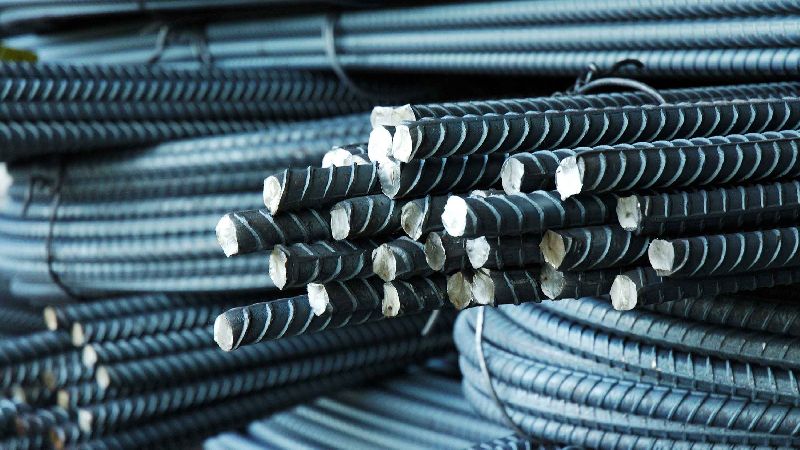
Rebars are steel reinforcement bars used to improve the tensile strength of the concrete. The concrete buildings have weak tensile strength. It is used as the tension device for reinforced concrete buildings and structures. When mild steel is added with ridges, rebar steel is formed. The purpose of adding ridges in the mild steel is to enhance the mechanical anchoring in the concrete. The rebar steel provides greater compression, tensile strength, chemical composition, and elongation percentage. There are various types of rebars like epoxy-coated steel bars, low-alloy steel, axel steel, and many more.

Structural steel:

Structural steel is the commonly used steel in the construction industry. It is an iron alloy combined with the key ingredients carbon and manganese. Similar to the SAIL TMT bar, the structural steel has high ductility and durability. Structural steel is used for making different shapes for buildings like HSS shape, I-beams, railway rail, and many more. The standard structural steel varies across the country. The structural steel in Europe uses the grade Euronorm 19-57, while in the USA, the structural steel has tempered alloy and low quenched carbon to increase the strength. Hence, the composition of the structural steel completely depends on the country’s resources and requirements. They are commonly used to build skyscrapers.

Therefore, if you want to get all the benefits of the steel for your next building, you need to work with experienced dealers like JSW steel dealers in Chennai.

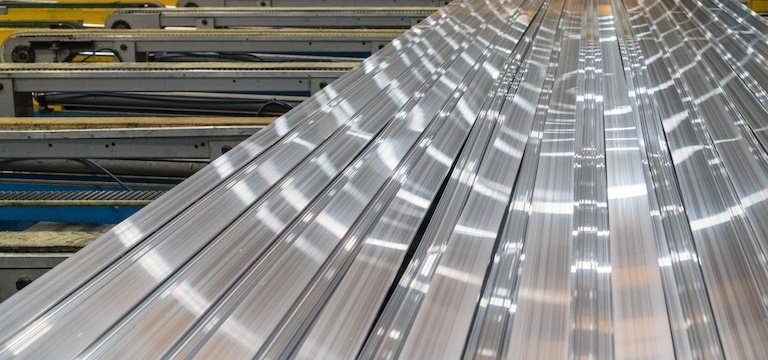
Types And Uses Of Stainless Steel For Industrial Purpose

August 21, 2021
Stainless steel for industrial purposes

When people use the term stainless steel,we usually think of cookware, countertops, home appliances, and many more. In reality, stainless steel has extensive usage from chemicals and pharmaceuticals to automobile manufacturing. Hence, stainless steel is obtained from iron and carbon. Chromium and other alloying elements such as nickel(Ni) distinguish stainless steel from other varieties. The chromium is added in batches ranging from 10.5% to 30% depending upon the application and environment in which the steel is used. Researchers say that the demand for stainless steel increases 5% every year and, in the past few years, the global production of stainless steel has reached over 52 million tons. Isn’t it interesting? Apart from traditional and marine construction, stainless steel has everything that your house needs. There are more than 100 grades of steel and steel dealers have grouped into five major types. In this post, let us see about different types of stainless steel and their uses.

Austenitic steel:

It is a widely used type of stainless steel. The austenitic steel contains high content chromium, nickel, and molybdenum. The chromium content is 16-26% and nickel up to 36%. The molybdenum is minimal compared to other alloying elements. It has high corrosion resistance and non-magnetic material. Unlike SAIL TMT Bar, they don’t require any heat treatment for hardening. Austenitic steel has 304 grades or 18/8, meaning 18 % of chromium and 8% of nickel. They are used in aircraft materials and dairy and food processing industries.

Ferritic stainless steel:

The carbon content in the ferritic steel is below 0.1% than other steel types. Hence, because of low carbon content, these steel are highly resistant to corrosion and don’t require heat treatment for hardening. Standard ferritic stainless steel contains 10.5% to 27% of chromium and nickel-free elements. They have a magnetic property and are used in architectural and auto trim.

Martensitic stainless steel:

These steels are harder and stronger than austenitic and ferritic steels. Typically, the martensitic steel has chromium content from 11.5% to 18%. Unlike other types of stainless steel, they require heat treatment for hardening. They are not resistant to corrosion and have high tensile strength. They are employed in surgical instruments, cutlery, wrenches, and turbines. The JSW steel dealers in Chennai are the high-rated dealers in the city for their standard and quality steels.

Duplex stainless steel:

Duplex steel is obtained by combining austenitic and ferritic stainless steel in equal amounts. Hence, they have high strength and are flexible as per requirements. It contains 21% to 27% of chromium, 1.35%-8% of nickel, 0.05%-3% of copper, and 0.05%-5% of molybdenum. It has high corrosion resistance and is employed in storage tank construction, offshore oil, and gas facilities. 

Hence, these are the various types of stainless steel and their applications in various industries. If you are looking to purchase stainless steel, you can always purchase them with MS steel suppliers in Chennai.

Tool Steels – Gets Everything Done

August 10, 2021
Tool Steels

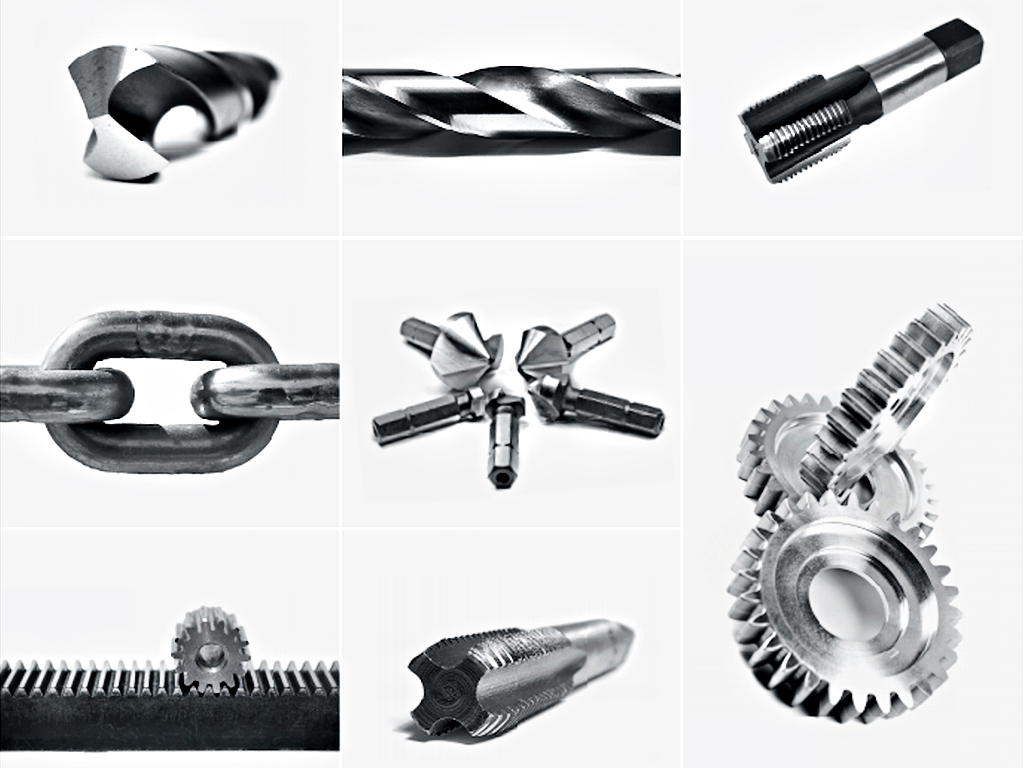
Steel is an alloy made of iron with a lower amount of carbon. Have you noticed the screwdriver you are using? Did you think about how it was made? Hardly, right? The tools we are using in our daily lives are made from tool steels. Tool steels is the combination of carbon and alloy steel with other elements such as tungsten, chromium, vanadium, and molybdenum. Most steel dealers add nickel and cobalt in tool steel to enhance the performance of the steel at high temperatures. In this post let us discuss the detailed classification about the tool steels and their application in various fields.

Water hardening (W-Grades):

It is also known as group W steels. It is the commonly available hardening tool steel and the alloying element found in the steel is carbon. In some cases, chromium is added to increase the wear resistance and hardness of the material. It is brittle compared to other steel products and cannot be used at high temperatures. All the W steels have to undergo water treatment to increase the hardness. It is used in making cold headings, cutting knives and tools.

Air-hardening (A grades):

It is all-purpose and a high carbon steel. It contains alloys of tungsten, chromium, molybdenum, and manganese. The A steels undergo an oil quenching process to increase the strength of the material. Air-hardening steels have high wear resistance and can be used up to 200 degrees celsius. It is used in making knurling tools, drawing and piercing dies, broaches, and many more.

D-type (D-grades):

It is also high carbon steel with high chromium content. It is formulated in a way that they have a high abrasion resistance and exhibits air-hardening tool steel characteristics. It is used in making forging dies, die-casting die blocks, and drawing dies.

Oil-hardening (O grades):

It has higher wear resistance due to the presence of carbon content. The oil-hardening tool steels can be used up to 260 degrees celsius to improve the efficiency of the steel. The disadvantage of the tool steel is that it loses its ductility and toughness when the temperature increases. It is commonly used in making arbors, bushing, thread cutting, collets, and die blanking.

Shock-resisting type (S-grades):

It is designed in a way to resist shock at low or high temperatures. In S type steel a small amount of silicon is added to enhance the tempering resistance of tool steels. It also forms a microstructure to resist the deformation under some tempered conditions. It is commonly used in chisel blacksmiths, battering tools, boiler-shop tools, and chisel cold working.

Therefore, SAIL TMT Bar and tool steel are the backbone for all types of construction works. Hence, consider the tips considered in the post to make a better purchase.

Alloy Steel And Its Applications

August 2, 2021
Alloy Steel

Every building you see has the core material as steel and is popular in recent times for its outstanding qualities and properties. The properties of the steel highly depend on the composition and proportion of the elements present in them. According to the World Steel Association, around 1808 million tons of crude steel have been produced worldwide and the construction industry has used 50% of the production. Further, it also stated that there are 3500 different grades available in the industry with unique chemical composition and quality. 

Many steel dealers in Chennai supply alloy steel in large quantities to their customers because of its outstanding composition and applications. When elements like vanadium, silicon, nickel, manganese, copper, and chromium combine with carbon steel, alloy steel is obtained. Hence, let us see the distinctive features of alloy steel in this post.

Building structures:

Alloy steel is used in constructing stadiums, skyscrapers, airports, and bridges in the form of skeleton frames. Alloy steel provides sufficient strength to support the structure. Even concrete structures mixed with alloy steel act as a reinforcement to add strength and reduce the weight of the building. The SAIL TMT bar provides a high standard and quality alloy steel for their projects.

Building bridges:

As said before, alloy steels find applications in bridges with special alloy steels known as weathering steels. Weathering steels are used in building bridges and are composed of nickel, copper, and chromium as alloying elements. The presence of alloying elements makes the construction free from corrosion. The benefits include high safety, low maintenance, and flexibility for future alterations. Due to its weathered natural finish, painting is not required and gives an artistic look to the building.

Flat products:

Flat plates and strips are made from high quality alloy steel for welding in the construction industry. These plates are available in different grades and sizes. In some cases, alloy steel is used in the production of MS chequered plate. 

Coil products:

Alloy steel strips are available as hot and cold rolled strips and hot-dipped galvanized coils. These hot-dipped galvanized coils are used in making construction products like side rails, light steel frames, roof purlins, and lintels.

Pipe products:

The other advantage of using alloy steel is that converting it into alloy steel pipes. The installation of the alloy steel pipes is done without any heat treatment and has high durability. Some special alloy steel pipes are large-diameter welded pipe, seamless pipes, electric-fusion welded pipe and welded pipes. They are helpful in high-temperature and pressure environments.

If you are looking for high durability and stability then alloy steel will surely meet your expectations. Even alloy steel MS plate price in Chennai are more affordable than in other places. Make sure to buy the high standard and quality steel for your dream project for long-lasting.

Features Of MS Chequered Plates

July 31, 2021
MS Chequered plates

The construction industry is highly dependent on steel and its products. Steels are used as the core material in every construction site to increase the strength of the building. So, without steel, there will be no future in the construction industry. You may want to construct a home or discussed with different engineers about your dream home. Whatever the design may be, you need to know what type of steel you ought to buy and can it withstand for the years to come.

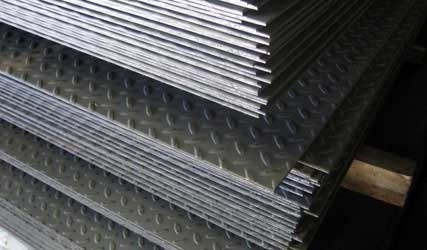
Hence, in this post let us see more about the attractive features of an MS chequered plate and how it helps in the construction industry. An MS chequered plate is a pierced sheet manually or mechanically to create a pattern of holes, slots, or decorative shapes. The raw materials undergo a tedious process to form the desired product and are executed under proper supervision. These sheets are extremely durable and last longer.

Slip resistance:

MS chequered plates undoubtedly prevent many accidents by providing a safe and anti-slip surface. The technology used in the chequered sheet has made it more resistant to ensure the safety of our clients. The steel dealers in Chennai provide steels with high friction and technology developments.

Manufacturing process:

The quality of steel highly depends on the manufacturing process. A rolling technology with modernized equipment is installed in the process to manufacture the product. The material manufactured has uniform quality and is able to withstand for the years to come. 

Lightweight:

The chequered plate is comparatively low in weight compared to other steel products. With the incorporation of modern technology, redundancies are removed, resulting in a perfect shape and material. The MS steel suppliers in Chennai manufacture lightweight chequered plates for commercial users

Load resistance:

The sheets are resistant to high load and weight. Have you ever noticed that these plates are used in staircases, bridges, and flyovers?. They have a high resistance to heavy load and find application in many industrial areas.

Inexpensive:

Despite the excellence of quality and its characteristics, the chequered plates are available at a reasonable price and the maintenance is also low. The steel plates are sold as per-unit cost by the manufacturers. Therefore, the MS plate price in Chennai is more affordable than in other places. 

Hence, these are the benefits obtained when you choose a chequered plate for your construction. Therefore, you can even buy the chequered plate according to your preferences.

Things To Look Out For When Buying TMT Bars

July 19, 2021
TMT Bars

Every building that you see has steel products as the core. For instance, there is no project without using MS chequered plate to reinforce the structure. Without steel, there is no construction industry. So, you may be an engineer ready to start the next project. Or you might be looking to build your house. No matter the nature of the construction, you ought to choose TMT bars to ensure the longevity of the building. And there is no need to say that it must conform to quality standards. 

In this post, we will discuss the things to look out for when buying TMT bars. A SAIL TMT Bar offers immeasurable strength, elongation capacity, and high bending ability. These bars increase the overall structure of the building.  However, it also depends on other factors like building design and other materials’ quality used in the construction. But, it is safe to say that TMT bars contribute to most of the structural integrity of the building.

1 – Nature of the manufacturing process

The strength of the TMT bar is hugely determined by how it is manufactured. Some of the methods are no longer in existence. New technologies have transformed the industry—and with it, the quality of the TMT bars. The majority of Steel Suppliers have TMT bars that are produced through these latest developments. These bars conform to the highest quality standards. Therefore, give you more strength and benefit than ordinary steel bars.

2 – Certification   

No matter what product you choose to buy, certification is essential to guarantee quality. The same applies while buying TMT bars. You need to look for BIS (Bureau of Indian Standards) and ISO certification on the products. It is a good sign that all the set standards and compliances have gone into the making of the TMT bars. Therefore, check for such certification with the Steel Dealers in Chennai before making the purchase.

3 – Grade of the bars

There are multiple grades when it comes to steel products. You must know the significance of them before buying TMT bars. In simple terms, the higher the grade goes, the stronger the bars get. If you are in the market, you can see numbers like Fe415 or Fe500. This number denotes the grade. 

4 – Pliability

Only when the TMT bars are flexible, they can resist external pressure. Any steel products that break while bending will not be capable of ensuring sound structural integrity. They should be able to withstand shocks and seismic stress without crumbling under the pressure. 

5 – High Corrosion Resistance

TMT bars should resist corrosion. Otherwise, they might weaken and would not be able to bear the whole weight of the structure. This property of the TMT bar is even more essential if the building is located in a region with constant rainfall or long exposure to moisture. 

6 – Weldability 

TMT bars sometimes have to be cut, reshaped, and welded at the right positions. Therefore, the steel must allow for an easy welding process. 

These are the six major things to look out for when buying TMT bars. Always make it a priority to buy from quality JSW steel dealers in Chennai to ensure the overall stability of the building.


Things Needs To Be Known About The Various Types Of Steel

July 10, 2021
Steel Dealers

Steel has become an important commodity with hundreds of different variations based on the kind of usage. So, various JSW steel dealers in chennai carry each steel depending on their chemical, structural, physical properties and features. 

Categorization Of The Various Types Of Steel:

Carbon Steel:

Most of the steel around the world is a certain form of carbon steel. It comprises carbon, iron, and varying particular forms of other alloying elements. Carbon accounts for 95% of all steel production as it is the main alloying element of the steel. It helps in creating a rigid and a lot more stronger metal. This is because the atoms present in the carbon slightly distorts the lattice, travels through iron crystal lattice, and fills the gap between the metallic atoms. 

Alloy Steel:

Alloy steel is made of varying amounts of several metals besides iron. These additions help in increasing the characteristics of steel to present specific applications. Metals such as titanium, manganese, chromium, silicon, nickel and aluminum are used in certain capacities. The utilization of these metals results in properties which cannot be found in carbon steel. Required change occurs in the steel’s formability, strength, ductility, corrosion resistance, and hardenability. 

Nickel Steel:

Nickel steel alloy consists of a high content of 4.5% which comprises approximately around 0.25% carbon content. Its speciality is that adding nickel strengthens the MS chequered plate without a drastic decrease in ductility. This increase in toughness assists in resisting fractures that may be caused by high shocks, impacts, and loads.

Tungsten Steel:

Tungsten is fundamentally a dull silver that possesses a high melting point among all kinds of metals in the purest form. The ability and its strength makes it stand out from the other metal types to withstand high temperatures. Besides this, nozzles of rocket engines make use of this steel to accomplish high heat resistance. When you combine it with nickel, steel, cobalt, and iron, it can be used to offer turbine blades for several kinds of aircraft. Many other tools and machines require heat resistance which make use of this steel.

Manganese Steel:

Manganese steel is the hard one which is made up of 10 to 15% of manganese content. Due to its excellent wear resistance and hardening characteristics, you can use it for manufacturing complicated railway tracks. Other modern applications include shot blast cabinets, shovel buckets, anti-drill security plates and scrapers. 

Vanadium Steel:

Vanadium steel is known for its ability to absorb shocks as well as for its corrosion-resistant properties. Apart from being used for a SAIL TMT Bar and chemical carrying pipes, this steel is used in the form of a thin layer to bond titanium for aerospace applications.

Thus, all the above types of steels can be considered before buying them according to the needs. 

Role of Angle Bars in Construction

June 19, 2021

Angle Bar
Angle Bar

The longevity of a building depends heavily on the structure. Through days of extreme weather conditions and wear and tear, they ensure stability. Each accessory used in the making of the structure is pivotal to the structural integrity of the building. One such accessory is called Angle bars. It is also known as L-Brackets. Let us discuss the Role of Angle Bars in Construction in brief in this blog.

It is pretty common to find it in huge supply with all Steel Dealers. These bars come in right angles with vertical legs. They may be equal or unequal in the length depending on the project. Generally, any carbon or low alloy steel is rolled under extreme heat to produce angle bars. A lot of construction projects make use of angle bars for stability. They can withstand internal stresses and do not buckle under the weight of the whole building. 

Because of their inherent strength, they are widely used in many construction activities. Let us see the role of angle bars in Construction.

1 – High-rise buildings   

Angle bars always find a permanent spot in any construction project. They can easily adapt to suit the distinct need of a particular activity. This quality of angle bars has increased its significance. They are used to reinforce concrete, support the ceiling, and improve the stability of the building. One of the major advantages of the SAIL TMT Bar is that it reduces the use of concrete. These bars also act as good alternatives to other steel accessories. The engineers can also lower the cost by using angle bars.  

2 – Shelves 

It can be surprising to find angle bars in consumer goods as well. It reinstates the fact that they are very versatile. Apart from construction—where the environment is very intensive—they are also used in simple everyday items. Angle bars go into the making of shelves for different storage purposes. They can be seen in many warehouses for sorting and storing goods. It is very useful to enable proper workflow in the logistics of the warehouse. The shelves are only structural and lack any solid design. But they can hold a large number of boxes stacked on them.

3 – Bridge Construction

A bridge is built in the following sequence—the foundation, substructure, and superstructure. All three layers siphon off the strength from each other. They work in unison to ensure the overall stability and endurance of the bridge. 

Angle bars are common at each one of those stages. In the foundation, they are used along with additional steel products to improve weight distribution and loading bearing capacity. They find a place in substructure as vertical columns. Then in the superstructure, they help to connect most of the beams, girders, and columns. For instance, they support the weight of the MS chequered plate above them that is used in the flooring.

4 – Transportation

All the railway lines are joined with the help of angle bars. Usually, they are fabricated to meet the needs of the project. The durability and strength of the angle bars ensure the quality of the railway lines. Apart from this, they can also be reinforced to form the chassis of a vehicle and provide structural integrity. Angles bars with higher carbon content can also protect the vehicle from damage during accidents. 

You need to get the best quality from your Steel Suppliers since they play an integral role in construction. It will safeguard the entire stability of the building.

What Are The Methods To Accurately Measure The Carbon Content In Steel?

June 12, 2021

Steel is generally categorized based on its carbon content. They make the steel stronger and harder and fabricate it more brittle to weld. Steel Dealers in Chennai use various testing methods to accurately measure the carbon content in Steel. 

Common Metal Identification Methods:

Visual Spark Analysis:

Visual spark analysis is one of the ancient techniques that allows for steel testing in the field and minimizes the amount of time needed to get the desired results. This method requires a section of steel to be rubbed with a high-speed grinding wheel. As the spinning corrosive wheel is applied to the steel, the sparks that are discharged are compared to other known samples or either a chart. The presence of the sparks specifies the classification of steel. This test has to be done in a darker setting to better notice the sparks. However, this method does not need any quantitative analysis.

XRF Alloy Grade Identification:

This kind of analysis does not need any demolition of the sample to identify its grade type of alloys. The XRF uses X-ray diffraction analysis to end the Positive Material Identification or PMI instead of an electric discharge. You can do this method with a microscopic device and it takes only a few seconds to complete. These tests have become popular as they can be done anywhere. This technique can find out the steel grade even of the MS chequered plate based on a random analysis.

Arc Sorting:

Arc sorting is one of the rapid methods of examining metal for content. This method analyzes the sample in air using a spectrometer with an electric discharge and compares the illumination intensity of the sample with the reference one. This sorting of steel does not require argon throughout the process.

Spark Optical Emission Spectroscopy (OES) Analysis:

This type of analysis utilizes argon as a protecting gas around the spark thereby permitting for carbon analysis. This technique while being more exact than Arc sorting or XRF is also gradual as the sample requires to be prepared with a standing belt or disc and the analysis can take many seconds. However, this is the only method that offers an exact quantitative carbon reading.

So, you need appropriate training to measure the carbon content present even in SAIL TMT Bar with several pieces of equipment. Thus, understanding the cons and pros of all the above techniques will help you make the right decision when it comes to gauging the carbon content in steel.