Different Types Of Steel Used In The Automotive Industry

October 13, 2021
Automobile Industries

The automotive industry is the fastest-growing sector and moving towards the electric vehicle. The automobile sector comprises planning, design, development, and manufacturing of motor vehicles with various types of steel. Hence, the steel industry is considered as one of the largest vendors and has high revenue compared to other sectors.

A report by market research future (MRFR) says that the steel prices increased around 200%, with an annual growth rate of 4.5%. It also states that the steel industry in India plays a vital role in the country by contributing five trillion US dollars to the economy.

So, many multinational steel dealers in Chennai are now available in India to enhance the steel in every aspect. So, steel is the main source in the automotive industry, and each vehicle uses 900kg of the resource. Hence, let us see the different types of steel that are used in the automotive industry.

Advanced high-strength steel:

Advanced high-strength steel or AHSS is the typical material used in manufacturing vehicles. It involves cold rolling and different alloying techniques to process the AHSS steel. The AHSS is new generation steel that provides strength up to 2,000 MPa and high durability. It is used in making vehicle bodies, car doors, frames, undercarriages, MS chequered plate, and bumpers due to its lightweight property. Hence, many car manufacturers are coming up with various solutions to enhance the AHSS for more safety, performance, and price. These steels are classified as martensitic, transformation-induced plasticity, ferritic-bainitic, and many more. These have found their application in the industry to create an engine with high energy absorption.

High carbon steel:

It is another form of steel that has high carbon content and undergoes quenching heat treatment for sustainability. Unlike AHSS, high carbon steel is prone to brittleness and is less ductile. But these steels are resistant to wear and tear, so they find their application in tools and metal fasteners. These are used in the automobile industry to make chassis, vehicle frames, door panels, bushings, and many more. Even the SAIL TMT bar includes high carbon steel to provide excellent support to the beams and panels.

Low carbon steel:

This steel has a low carbon content ranging from 0.05% to 0.3%. Hence, low-carbon steels are highly ductile and can be formed into the desired shape. These have low tensile strength and have low yield-point. It is used in making smaller components like suspension parts, brackets, control arms, and many more. Low-carbon steel helps to maintain the stability and structure of the vehicle.

Galvanized steel:

This steel is popular in the automobile industry because it is inexpensive and used in vehicle-making. 80% of the cars, trucks, and motorcycles use galvanized steel to extend the life and function of the vehicle. With the help of this steel, the vehicle requires only minimal repairs and maintenance.

Hence, steel is an essential resource for every industry, especially in making auto components. You can always approach JSW steel dealers in Chennai for high-standard steel supplies.

Benefits Of Using Steel Angles

October 1, 2021
Steel Angles

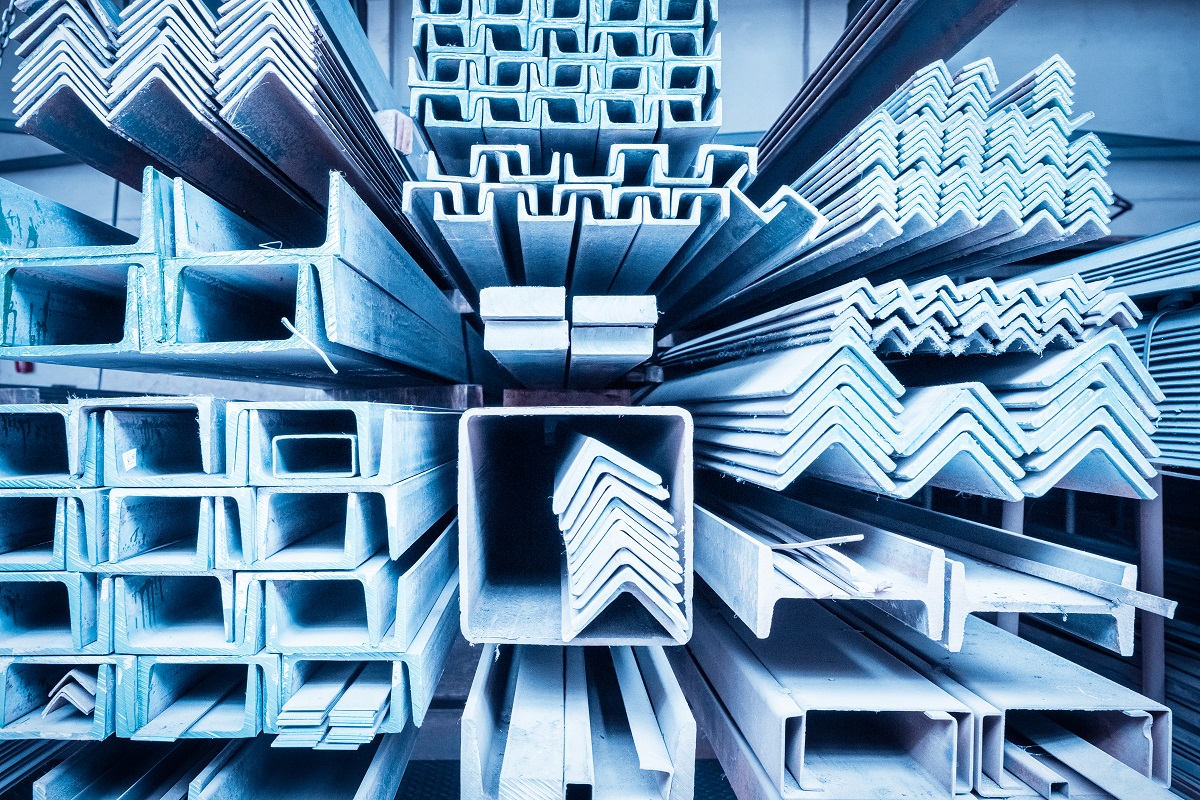
Steel angles play a vital role in the construction industry to give structural support to the buildings. These steels are manufactured from hot-rolled carbon steel or high strength low alloy steel. The steel angle bends at an angle to form 90 degrees. This structure helps the building to bear the stress of the load and material.

The larger the steel angle, the more it can withstand the weight. Hence, steel angle is essential in the construction industry. High tensile and mild steel are the commonly used steel angles in construction.

Some steel suppliers customize the steel angle as per requirements and applications. Hence, angle bars give good support and resistance to bend in any direction. They are available in different sizes where the legs of the steel angles are the same and different in size. Hence, in this post, let us see the benefits of using steel angles in the construction industry.

Bridge:

The prime application of steel angle in the construction industry is in the bridge ways. Many constructions use steel angles only when the material is coated with a protective layer or coating.

So, in the construction industry, you will find the steel angle that is powder coated or galvanized. It is because the coating protects the material from corrosion and increases its resistance of the material. Electrostatic-spray deposited (ESD) resins are used in the powder coating to give a surface finish look to the steel angles.

Hence, steel angles with the protective coating increase the durability of the material. Any part of the bridge can use this steel angle to reinforce the structure. You can find these materials in pedestrian pathways, bearings, girders, and arches. MS chequered plate, one of the products of steel, is used in the bridges as well.

Warehouses:

Steel angle is a structural product for warehouses, and they form the foundation for the structural building and provide roofing support for the rafter and decker. Steel angles act as a support system for the elevated flooring of the warehouse and various mezzanine designs.

You can find these materials on the roofing of the warehouse, and some include steel angles in the flat bars or the purlins to protect the structure from the winds.

Equipements:

The appliances in the houses and heavy equipment like a bulldozer, road roller, and much more use steel. The home appliances are reinforced with steel angles to protect the edges from damages. Many steel dealers use this material in washing machines, industrial ovens, and many more according to its unique shape for protection. Hence, businesses that highly depend on heavy equipment will benefit from steel angles in their operation.

Hence, the importance of steel angles is similar to the SAIL TMT bar in the construction industry. Therefore, steel angles or angle bars are essential in the foundation and corner protection for structural integration.

HOW STEELS ARE USED IN NUCLEAR SECTORS?

September 29, 2021
steels nuclear sectors

The steel in the nuclear power plant plays a critical role in protecting both humans and the materials. One can use the steel in various forms in the nuclear sectors. The generation of the energy from the nuclei occurs in nuclear power plant and it is bit complicate process.  As it takes place under certain conditions which are extremely hostile. So this will require equipment which can cope up with it. This is the reason why we use steel in nuclear power plants. The properties of the steel make it possible to work under certain conditions with the reliable equipment. So contact the steel dealers  to buy the best quality steel.

Application:

It is mainly used in order for the effective operation and it can be found in almost all parts of the contact plant whether it be big or small it is found in the system. They use sail TMT bars in the nuclear power plant. The pressure tube which is a critical component that is used to circulate the coolant around the core reactor and it is done so for the safe functionality of the plant. For making the pressure tube one can use the stainless steel. 

Containment vessel: it is one of the largest components one can find in the nuclear plant. This is also made from stainless steel. Its main function is to safeguard the reactors from the external factor and the people from the radiation. 

There are two types of stainless steel that are mainly found in the rectors. They are austenitic and ferritic stainless steel. But the main choice is the austenitic steel by the operators and the engineers. As in the hot and corrosive environment it is more effective. 

Has more advantage like:

  • To the oxidizing media it has high corrosion resistance.
  • Decontamination is easy.
  • Even in the sub-zero temperature it has excellent impact resistance.
  • It is easily available.
  • It is flexible and weldable. 

The stainless steel are usage :

  • For providing safe passage for steam and other liquids one can use the stainless steel pipe. 
  • Chimneys
  • Tanks
  • Containment canisters
  • Fission storage

The austenitic steel works well in the hot environment where one will have constant corrosion. It can withstand higher temperatures than that of ferritic steel. Even though both are present in the reactors. And it compromises under constant neutron attack.

Future :

 The steel engineers have to keep the pace with the nuclear engineers. As nuclear engineers tend to develop reactors with high temperatures. However the ferritic- martensitic is made by urging of the fossil energy sector. So it holds up well against extreme nuclear temperature, corrosions and other factors. 

With the upcoming days due to the upward pace of nuclear energy, it will require stronger steel components to produce for the future reactors. As the demand of stainless steel increases the manufacturer has to produce new alloy which can be more-stringent according to the requirements. So the steam generators, tube sheets, pump casting and pressure vessel should be stronger and be resistant to corrosion. The steel industry will play a main role in producing more sustainable energy. Contact JSW steel dealers in Chennai to buy the quality steel.

Role Of Steel In The Automobile Industries

September 27, 2021
Automobile Industries

When you see a car, what comes to your mind? Everyone will look for the brand name of the vehicle. The essential material used in the making of the automobile is steel. Yes, steel is the fundamental component to develop a car or a bus. Hence, automobile industries use high-standard steels that should withstand harsh weather conditions.

A recent study by the International Organization of Motor Vehicle Manufacturers (OICA) states that around 91.8 million automobiles are released every year. It also revealed that to make a vehicle, about 900kg of steel is involved.

The 900kg of steel is distributed evenly to make the automobile’s outer and inner parts. Automobile manufacturers use 40% of the steel to make the body structure, 23% to make engines and gears, and 12% for suspensions. Fuel tanks, wheels, tires, and braking systems use the remaining steel.

Hence, steel suppliers supply Advanced High-Strength Steels (AHSS) to car manufacturers nowadays because of their high demand and reduce the weight of body structures by 60%. Therefore, without steel, there is no future in the automobile industry. Hence, let us see in this post the role of steel in the automobile industry.

Car’s framework:

The prime role of steel in the car-making industry is to develop the framework of the vehicle. The basic structure before making the car is to create the skeletal form. Hence, car manufacturers use AHSS steel to make this framework to withstand the extreme weather conditions and pressure released by the vehicle. The tensile strength, quality, and capacity to bear the physical factors determine the steel’s performance. Hence, car manufacturers use high-standard steel for the body frame and car chassis. One form of steel is an MS chequered plate used in flooring in many vehicles. If you are willing to have an attractive and shining feature on the car, choose the steel used in the faucets and bumpers to get the shiny texture on the automobile.

Bikes framework:

Steel is also used in making the framework for the bikes as well. As steels have high resistance and built-in strength, it is used in making the bike handles and stand. The presence of steel gives the perfect shape and dimension to the bike. It is because steel has high flexibility and provides the necessary curvature to bike stands and handles. It is also used in the framework of the seat to provide essential comfort, shape, and strength in a car or bike.

Bus framework:

Whether it is public or private transport, manufacturers use steel in the framework of the bus. It is because the bus has to withstand the high pressure, strength, and weight when it comes to the road. Hence, its excellent mechanical properties provide safe and lighter weight in the body structure. SAIL TMT bar is one of the applications of steel commonly used in the construction industry. In the automobile industry, they are used for general purposes.

Hence, if you are looking for premium quality steel, you can always purchase them from JSW steel dealers in Chennai. Therefore, steel is considered as gold in every industry.

How Is Steel Used In The Shipbuilding Industry?

September 11, 2021
The Shipbuilding Industry

The shipbuilding industry is one of the major users of steel that use steel and steel plate sectors. The steel industry with its exceptional works with numerous technological innovations in the shipbuilding industries made them reach new heights. Have you ever wondered how the vessel is resistant to wind and storm?. Because the steel used in shipbuilding undergoes the Thermo Mechanical Control Process to improve the strength and efficiency of transportation through the ship. The TMCP steel is an excellent heat controller while extracting crude petroleum. Shipbuilding is the largest consumer in the world and many steel suppliers produce TMCP processed steel for ship construction. Therefore, steel is the most versatile material for building the ship’s inner and outer parts. Hence, in this post, let us know more about how steel is used in the shipbuilding industry.

Container vessels:

Steel is the core material in making the container vessel. The wide openings to load and unload the containers are made of high-strength steel. For instance, if the size of the container vessel is around 10,000 TEU, then the size of the steel plate used is around 100mm in thickness. Therefore, the relationship between the container vessel and the steel plate is linear. The resistance to the cracks and fractures is reduced by adding various technologies named the HTUFF technology and fine microstructure of HAZ. The MS chequered plate is used in making anchor and anchor bolts.

Oil tankers:

Traditional oil tankers used to have thousands of pits because of the crude petroleum and the reason for the pits is still unknown. The pits cause ocean contamination and many manufacturers were in search of alternative options. As a result, they developed high-strength steel bottom plates for crude petroleum tankers and reservoirs. These plates are corrosion resistant and prevent the ocean from oil and petroleum contamination.

Doors:

The watertight doors are made of steel, and it provides access to either side of the compartments. In a passenger ship, the watertight doors are used by the passengers to pass through their accommodation. The doors are made of mild steel and cast steel to prevent the compartment from flooding and provide high strength in uncertain times.

Propellers and rudder pintles:

Steel is used in making the propellers and rudder. These are made from processed and fabricated steel plates and are coated with inert plastic foam to avoid corrosion. Nowadays, many steel suppliers in Chennai use materials like tufnol and stainless steel for bearings and liners. Hence, these high-strength steels are the ideal option for shipbuilding compared to aluminium and zinc.

Therefore, as seen, the benefits of steel and its products are enormous and used in every part of the ship. Hence, if you want high-strength steel for your business, approach JSW steel dealers in Chennai for high-quality and strength steel.

Benefits Of Steel In Various Industries

September 3, 2021
Stainless-Steel-Products

Steel is the soul of every construction that you see. There is always demand for steel, whatever the situation may be. The experts at Steelfab say that for the Dubai Expo, there was an increase in demand for steel across the UAE and GCC regions. The Expo telecasted the latest innovation of cutting, welding, grinding, tube machinery, pipe, and other technologies in steel. GCC regions continue to be the largest consumer of steel and invest more in the construction industry for the World Expo and FIFA world cup in Dubai. Hence, steel suppliers estimate that the rate of steel will grow dramatically by the end of the year. Therefore, with an increase in demand and supply, the price of steel varies accordingly. Hence, in this post, let us see the benefits of steel in various industries.

Construction:

The foremost and essential need for steel is for the construction industry. It is because of the enormous benefits of steel in the construction sector. Steel is the strongest material compared to metals. Commercial buildings and skyscrapers use the SAIL TMT bar as the core material for construction. It is one of the alloys that is formed from iron, carbon, manganese, nickel, and phosphorus. These minerals are found in abundance in nature and affordable. Due to its lightweight property, it is installed and removed easily. It also withstands extreme weather construction and lasts for a longer time.

Mining:

Mining is where valuable minerals and materials are extracted from the earth. Therefore, for the extraction process, the mining industry requires machines and devices with high strength. Hence, tools made of steel are commonly used in the mining industry. Tools and machines like pickaxes, shovels, hammers, chisels, loading machines, and many more use steel for their purpose.

Energy firms:

These are the energy sectors that use steel in their process. Steels are used as piping, oil and gas wells, turbines, reservoirs, and many more. An industry like gas, solar, nuclear, and wind use steel largely for their operations. Hence, steel plays a vital role in producing and improving energy efficiency. JSW steel dealers in Chennai are the high-rated dealers in steel that offer high-quality steel for energy firms.

Automobile:

Steel is commonly used metal in the automobile industry. It helps the manufacturers to attain the design and strength of the vehicles. The automobile industry manufactures steel with chromium, manganese, vanadium, and tungsten to have more tensile strength. The car bodies are made of this steel to have high resistance to physical factors. Advanced high-strength steel is the commonly used steel in the automobile industry.

Therefore, from making MS chequered plate for construction till automobile parts, steel is an essential metal. Hence, steel is a resource that enhances the structure of the building and protects the environment from pollution.

Three Common Types Of Steel That Are Used For Building Construction

August 25, 2021
Building Construction

We all know that a building cannot stand on its own without the help of steel and beams. It is an essential instrument for every contractor and builder. The world steel association reported that around 174.4 million tonnes of steel were produced worldwide by 64 countries last year. The construction industry used more than 50% of steel production. Hence, steel is the commonly used material for any construction. Steel dealers supply a wide variety of steel depending upon the structure and requirement of the building. Each steel is different in chemical composition, physical and mechanical properties, and grades. However, there are some common types of steel irrespective of the demand because of its enormous benefits. In this post, let us see more about the commonly used steel in the construction industry.

Mild steel or low-carbon steel:

Mild steel, also commonly known as carbon steel, is frequently used in the construction industry. It is an iron-carbon alloy and the carbon content in the mild steel is 0.05%-0.25%. The low-carbon steel cannot be hardened by heat treatment. Therefore, to make low-carbon steel harder, they undergo a cold metalworking process. It has excellent flexibility and is extremely soft compared to other steel products. They are used in constructing train wheels, railway tracks, ms chequered plate, machinery parts, and crankshafts.

Rebar steel:

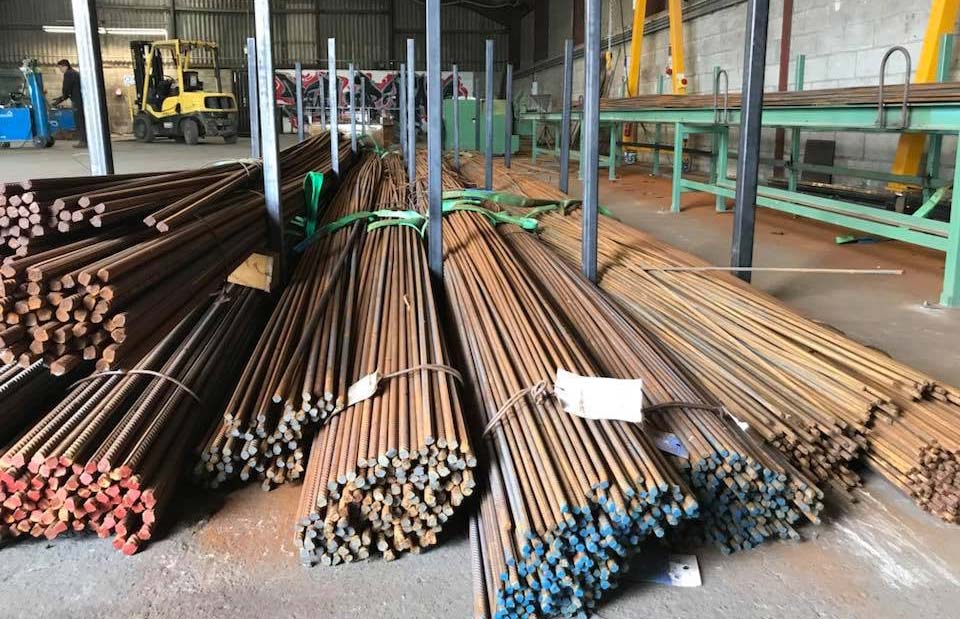
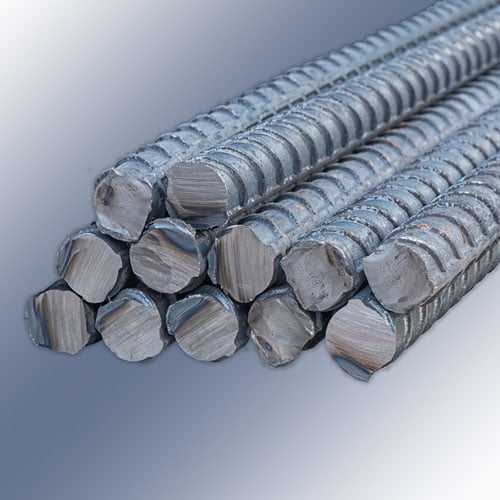
Rebars are steel reinforcement bars used to improve the tensile strength of the concrete. The concrete buildings have weak tensile strength. It is used as the tension device for reinforced concrete buildings and structures. When mild steel is added with ridges, rebar steel is formed. The purpose of adding ridges in the mild steel is to enhance the mechanical anchoring in the concrete. The rebar steel provides greater compression, tensile strength, chemical composition, and elongation percentage. There are various types of rebars like epoxy-coated steel bars, low-alloy steel, axel steel, and many more.

Structural steel:

Structural steel is the commonly used steel in the construction industry. It is an iron alloy combined with the key ingredients carbon and manganese. Similar to the SAIL TMT bar, the structural steel has high ductility and durability. Structural steel is used for making different shapes for buildings like HSS shape, I-beams, railway rail, and many more. The standard structural steel varies across the country. The structural steel in Europe uses the grade Euronorm 19-57, while in the USA, the structural steel has tempered alloy and low quenched carbon to increase the strength. Hence, the composition of the structural steel completely depends on the country’s resources and requirements. They are commonly used to build skyscrapers.

Therefore, if you want to get all the benefits of the steel for your next building, you need to work with experienced dealers like JSW steel dealers in Chennai.

Types And Uses Of Stainless Steel For Industrial Purpose

August 21, 2021
Stainless steel for industrial purposes

When people use the term stainless steel,we usually think of cookware, countertops, home appliances, and many more. In reality, stainless steel has extensive usage from chemicals and pharmaceuticals to automobile manufacturing. Hence, stainless steel is obtained from iron and carbon. Chromium and other alloying elements such as nickel(Ni) distinguish stainless steel from other varieties. The chromium is added in batches ranging from 10.5% to 30% depending upon the application and environment in which the steel is used. Researchers say that the demand for stainless steel increases 5% every year and, in the past few years, the global production of stainless steel has reached over 52 million tons. Isn’t it interesting? Apart from traditional and marine construction, stainless steel has everything that your house needs. There are more than 100 grades of steel and steel dealers have grouped into five major types. In this post, let us see about different types of stainless steel and their uses.

Austenitic steel:

It is a widely used type of stainless steel. The austenitic steel contains high content chromium, nickel, and molybdenum. The chromium content is 16-26% and nickel up to 36%. The molybdenum is minimal compared to other alloying elements. It has high corrosion resistance and non-magnetic material. Unlike SAIL TMT Bar, they don’t require any heat treatment for hardening. Austenitic steel has 304 grades or 18/8, meaning 18 % of chromium and 8% of nickel. They are used in aircraft materials and dairy and food processing industries.

Ferritic stainless steel:

The carbon content in the ferritic steel is below 0.1% than other steel types. Hence, because of low carbon content, these steel are highly resistant to corrosion and don’t require heat treatment for hardening. Standard ferritic stainless steel contains 10.5% to 27% of chromium and nickel-free elements. They have a magnetic property and are used in architectural and auto trim.

Martensitic stainless steel:

These steels are harder and stronger than austenitic and ferritic steels. Typically, the martensitic steel has chromium content from 11.5% to 18%. Unlike other types of stainless steel, they require heat treatment for hardening. They are not resistant to corrosion and have high tensile strength. They are employed in surgical instruments, cutlery, wrenches, and turbines. The JSW steel dealers in Chennai are the high-rated dealers in the city for their standard and quality steels.

Duplex stainless steel:

Duplex steel is obtained by combining austenitic and ferritic stainless steel in equal amounts. Hence, they have high strength and are flexible as per requirements. It contains 21% to 27% of chromium, 1.35%-8% of nickel, 0.05%-3% of copper, and 0.05%-5% of molybdenum. It has high corrosion resistance and is employed in storage tank construction, offshore oil, and gas facilities. 

Hence, these are the various types of stainless steel and their applications in various industries. If you are looking to purchase stainless steel, you can always purchase them with MS steel suppliers in Chennai.

Tool Steels – Gets Everything Done

August 10, 2021
Tool Steels

Steel is an alloy made of iron with a lower amount of carbon. Have you noticed the screwdriver you are using? Did you think about how it was made? Hardly, right? The tools we are using in our daily lives are made from tool steels. Tool steels is the combination of carbon and alloy steel with other elements such as tungsten, chromium, vanadium, and molybdenum. Most steel dealers add nickel and cobalt in tool steel to enhance the performance of the steel at high temperatures. In this post let us discuss the detailed classification about the tool steels and their application in various fields.

Water hardening (W-Grades):

It is also known as group W steels. It is the commonly available hardening tool steel and the alloying element found in the steel is carbon. In some cases, chromium is added to increase the wear resistance and hardness of the material. It is brittle compared to other steel products and cannot be used at high temperatures. All the W steels have to undergo water treatment to increase the hardness. It is used in making cold headings, cutting knives and tools.

Air-hardening (A grades):

It is all-purpose and a high carbon steel. It contains alloys of tungsten, chromium, molybdenum, and manganese. The A steels undergo an oil quenching process to increase the strength of the material. Air-hardening steels have high wear resistance and can be used up to 200 degrees celsius. It is used in making knurling tools, drawing and piercing dies, broaches, and many more.

D-type (D-grades):

It is also high carbon steel with high chromium content. It is formulated in a way that they have a high abrasion resistance and exhibits air-hardening tool steel characteristics. It is used in making forging dies, die-casting die blocks, and drawing dies.

Oil-hardening (O grades):

It has higher wear resistance due to the presence of carbon content. The oil-hardening tool steels can be used up to 260 degrees celsius to improve the efficiency of the steel. The disadvantage of the tool steel is that it loses its ductility and toughness when the temperature increases. It is commonly used in making arbors, bushing, thread cutting, collets, and die blanking.

Shock-resisting type (S-grades):

It is designed in a way to resist shock at low or high temperatures. In S type steel a small amount of silicon is added to enhance the tempering resistance of tool steels. It also forms a microstructure to resist the deformation under some tempered conditions. It is commonly used in chisel blacksmiths, battering tools, boiler-shop tools, and chisel cold working.

Therefore, SAIL TMT Bar and tool steel are the backbone for all types of construction works. Hence, consider the tips considered in the post to make a better purchase.

Alloy Steel And Its Applications

August 2, 2021
Alloy Steel

Every building you see has the core material as steel and is popular in recent times for its outstanding qualities and properties. The properties of the steel highly depend on the composition and proportion of the elements present in them. According to the World Steel Association, around 1808 million tons of crude steel have been produced worldwide and the construction industry has used 50% of the production. Further, it also stated that there are 3500 different grades available in the industry with unique chemical composition and quality. 

Many steel dealers in Chennai supply alloy steel in large quantities to their customers because of its outstanding composition and applications. When elements like vanadium, silicon, nickel, manganese, copper, and chromium combine with carbon steel, alloy steel is obtained. Hence, let us see the distinctive features of alloy steel in this post.

Building structures:

Alloy steel is used in constructing stadiums, skyscrapers, airports, and bridges in the form of skeleton frames. Alloy steel provides sufficient strength to support the structure. Even concrete structures mixed with alloy steel act as a reinforcement to add strength and reduce the weight of the building. The SAIL TMT bar provides a high standard and quality alloy steel for their projects.

Building bridges:

As said before, alloy steels find applications in bridges with special alloy steels known as weathering steels. Weathering steels are used in building bridges and are composed of nickel, copper, and chromium as alloying elements. The presence of alloying elements makes the construction free from corrosion. The benefits include high safety, low maintenance, and flexibility for future alterations. Due to its weathered natural finish, painting is not required and gives an artistic look to the building.

Flat products:

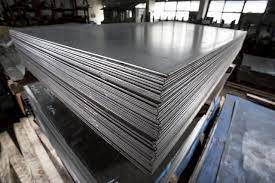
Flat plates and strips are made from high quality alloy steel for welding in the construction industry. These plates are available in different grades and sizes. In some cases, alloy steel is used in the production of MS chequered plate

Coil products:

Alloy steel strips are available as hot and cold rolled strips and hot-dipped galvanized coils. These hot-dipped galvanized coils are used in making construction products like side rails, light steel frames, roof purlins, and lintels.

Pipe products:

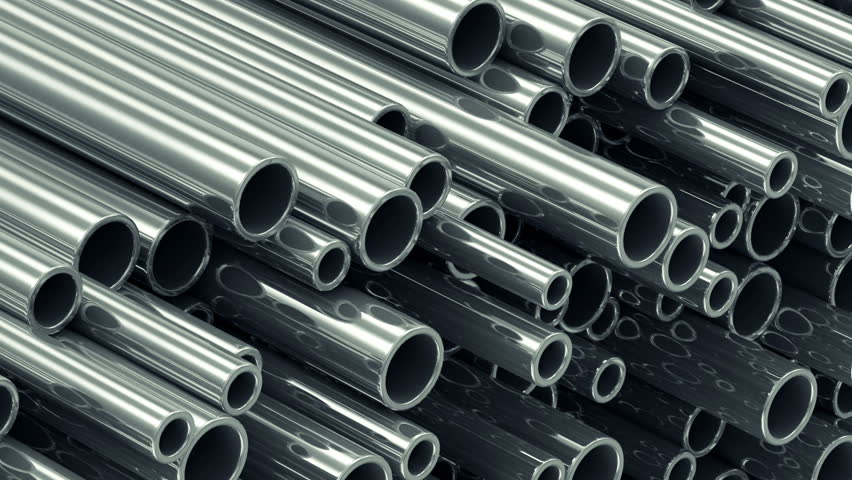
The other advantage of using alloy steel is that converting it into alloy steel pipes. The installation of the alloy steel pipes is done without any heat treatment and has high durability. Some special alloy steel pipes are large-diameter welded pipe, seamless pipes, electric-fusion welded pipe and welded pipes. They are helpful in high-temperature and pressure environments.

If you are looking for high durability and stability then alloy steel will surely meet your expectations. Even alloy steel MS plate price in Chennai are more affordable than in other places. Make sure to buy the high standard and quality steel for your dream project for long-lasting.