Skip to content

Bharat Steels

Blog

  • Home
  • About Us
  • Long Products
    • TMT Rebars
    • M.S.Angles
    • M.S.Channels
    • M.S.Beams
    • M.S.Rounds
  • Flat Products
    • H.R.Sheets
    • M.S.Plates
    • MS Flates / GI Flates
    • Chequered Plates
  • Weight Calculator
  • Roofing
  • PEB
  • Blog
  • Contact
  • Download
Bharat Steels

Tag: Steel Dealers

3 Important Reasons To Use Steel In Constructions

March 24, 2022
Steel In Constructions

Steel is one such material which can be recycled even after using in the construction. Hence, it can be considered as a part of green construction. According to the World Steel Association the construction industry is one of the largest consumers of steel alloy. It is also seen that half of the steel production is used for construction of modern steel landscapes. Nowadays, the construction is dependent on steel comparatively to wood or any other materials. The steel dealers in Chennai use steel not only for construction and infrastructure but for all the equipment and machines which are used by various industries. Therefore, in this post, let us see the 3 important reasons to use steel in constructions.

Importance of steel

Steel is one of the most important components in construction so the supplier of steel faces deadlines due to the time period of delivery. Hence constructors have to pre order as soon as possible once the plan gets approved. Below are some of the factors to consider that steel is important in construction. 

Reprocess

Steel has become the most preferred material for construction because it doesn’t need to be discarded, it can be recycled and reused. Hence the green construction rate has been increased, so old or temporary construction steel can be reused for new constructions. This can cut down the cost of getting new materials because we can use the existing materials which can be reused. The MS chequered plate which is used for flooring is one of the popular steel products which can be reprocessed for future purposes.

Strength

Steel has high strength which gives excellent durability to the construction. So only steel is used in the building to support the system and construction materials. The tensile strength of the steel ranges from 45,000 to 90,000 psi. It also gives a strong physical impact and keeps the building safe. In modern construction, steel is used for extra strength and can be engaged through designs due to their extreme strength and less wastage than any other materials. 

Cost 

Construction should be very efficient in order to cut down the maintenance and component costs in the future. It is because steel will be more consistent compared to the price of concrete. The repairing or reconstructing makes the steel cheaper when compared to other building materials. So the huge amount of steel can be reused for the new construction to make up for a drastic change in cost.

As we discussed earlier, steel is a reusable product so it has all of its properties to reinforce. Most of the steel suppliers in Chennai are cost efficient so you can check it out.

Apart from all these importance, steel is a solid metal which can be made in any shape as needed to construct and extremely durable which can last more than 15 years. It has many significance like eco-friendly, easy constructability, ecological, insignificant weight etc. To get done with your construction you can reach out to JSW steel dealers in Chennai to know more about it .
Building Construction 3 Important Reasons To Use Steel, 3 Reasons To Use Steel In Constructions, Constructions, Important Reasons To Use Steel In Constructions, Reasons To Use Steel In Constructions, Steel Dealers, Steel In Constructions, Steel Suppliers

Different Methods Of Galvanization To Enhance The Steel

March 11, 2022
Oil And Gas Industry

We all know steel is a versatile product used for various industrial, commercial, and residential purposes. Steel is used in these sectors because of its exceptional physical and mechanical properties. Even though they exhibit outstanding characteristics at one point, steel is also subjectable to corrosion and rusting. For this reason, many MS steel suppliers in Chennai apply the galvanization process to steel products. Galvanization is a process where the steel or iron products are protected against corrosion by coating them with zinc.

However, many manufacturers employ different galvanization methods to improve steel quality and corrosion resistance. These methods are applied to the metal products depending on their constituents, thickness, and process. Hence, in this post, let us see the different methods of galvanization to enhance the steel effectively.

Thermal spray:

The foremost galvanization method applied for the steel products is thermal spraying. Thermal spraying is the process where the molten fine or semi-fine molten particles are sprayed on the outer layer of the substrates. In some industrial cases, the molten particles can be in the powder or wire. 

The thermal spray is one of the thickest forms of coating on the outer layer of the metals. So, before the galvanization process, the steel manufacturers coat the metal with zinc and prepare the metal surface for the subsequent process. The thermal spraying coating is applied to the steel products, which are operated under extreme heat, erosion, wear, and corrosion. Even SAIL TMT bar and rebar are included thermal spraying while using them in the regions of higher temperatures.

Electroplating:

Another form of galvanization used for the metal to prevent corrosion is electroplating. Electroplating or electrodeposition is the process where the substrate is placed inside a solution, and a signal is produced from the external source. The external signal reduces the number of cations and creates a metallic coating over the substrate. 

However, electroplating provides the least coating thickness to the desired metal. This method is one of the oldest forms of galvanization used to galvanize chemical compounds like cadmium. Similarly, electroplating is one of the complex processes and involves the ancillary tank, zinc anode, reservoirs, and related things for the process. The electroplating process also involves coating the substrate with zinc before the galvanization process. Electroplating is used to make fasteners, MS chequered plate, and other daily use materials.

Sheet galvanizing:

Galvanizing the sheets, steel wires, and other steel products are called sheet galvanizing. The thickness of the sheet galvanizing is thicker than electroplating and much thinner than the thermal spraying. Sheet galvanizing is a coil-to-coil process where the steel sheets, wires, and strips are placed on the continuously moving ribbon under constant pressure with zinc coating the surface of the substrate. These are used to make corrugated roofing materials, in-car bodies, and other related products.


Hence, these are the fundamental galvanizing methods to enhance steel products. So, approach Bharat Steels – the best JSW steel dealers in Chennai, for quality steel products that meet all your requirements.

Mild Steel, Steel Dealers, Steel Pipes Enhance The Steel, Galvanization To Enhance The Steel, Methods Of Galvanization To Enhance The Steel, steel, Steel Dealers, Steel Industry, Steel Suppliers, SteelSuppliers

Differences Between Seamless And Welded Steel Pipes

February 26, 2022
Seamless And Welded Steel Pipes

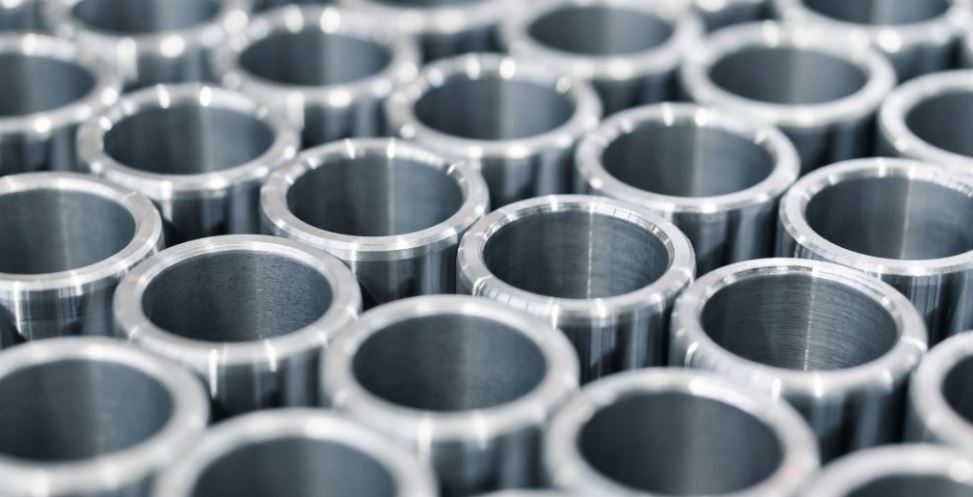
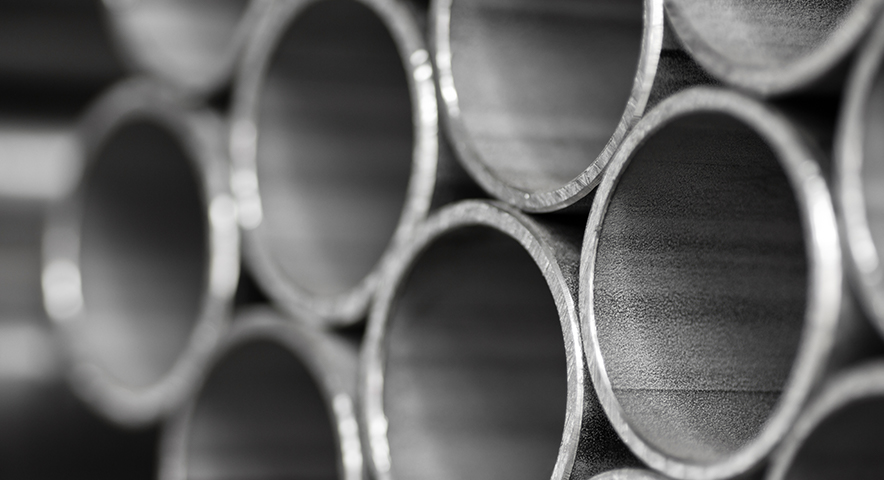
The steel pipes play a vital role in transmitting oils, gases, and water in various industries. These are cylindrical tubes made from raw steel materials undergoing various transformation processes. Have you heard of seamless and welded pipes? Pipe welding or welded pipes is where the two pipes are joined by using the welding techniques. The seamless pipes are single hollow pipes in the middle and do not have visible welded marks or lines, unlike welded pipes. However, it becomes a debate while choosing the welded and seamless pipes. Many steel dealers in Chennai suggest selecting the pipes depending on the purpose and requirements of the project. The differences between seamless and welded steel pipes are based on production methods, cost, resistance, and related factors. Hence, in this post, let us briefly see different techniques that vary them.

Production method:

The foremost difference between the seamless and welded pipes is the production method. The seamless pipes get that smooth finish by undergoing an extrusion process. The raw casted steel billets are placed inside the heating chamber at a high temperature, offering a sufficiently strong force with the piercing machine to create a hollow. However, various casting methods are employed to produce seamline pipes with perfect smooth consistency outside. 

In the welded pipes or Electronic Resistance Welding method (ERW), the steel sheets are rolled continuously till the cylindrical shape is achieved. However, an electric current is passed at the end of the pipes, which melts and combines them. The ERW method is used for welding MS chequered plate, sheets, and strips for commercial and industrial purposes.

Hardness:

Another significant difference between the seamless and welded pipes is the strength or hardness. Pipes are used majorly for transmitting fluids and gases. In the case of fluid transmission like water, the pipes should be able to handle the pressure of the water. If the tube is used for units like air conditioning, it should be prone to different temperatures. 

The welded are less prone to varying temperature and high pressure. The welded lines on the pipes can detach the pipes from one another under varying environmental conditions. Due to the absence of welded seams in the seamless pipes, the pressure is evenly distributed even at different temperatures, making them ideal for transmission. 

Rust-resistance:

Thirdly, manufacturers can provide rust or corrosion resistance to the metals through the galvanization process. The metal, for example, a SAIL TMT bar, must be hot-dipped in a bath filled with molten zinc. So, after removing them from the bath, the zinc reacts with the metal and forms a layer that is resistant to corrosion. 

The galvanization for the welded pipes does not stay longer due to chemical and environmental factors. The welded joints react with the zinc and lead to deposits that can eventually lower the quality of the material. In the case of seamless pipes, the zinc coating adheres well with the surface of the metal due to the lack of welded joints and extrusion process.

Hence, these significant differences differentiate welded and seamless pipes. However, choosing the appropriate pipe depends entirely on the project’s purpose. Bharat steel is the best JSW steel dealers in Chennai and provides quality steel pipes used extensively for all transmission purposes.

Steel Dealers, Steel Pipes, Steel Tubes Seamless And Welded Steel Pipes, Seamless Steel Pipes, steel, Steel Dealers, Steel pipe, Steel Pipes, Steel Suppliers, Welded Steel Pipes

Three Types Of Press Brakes In Steel Fabrication

February 22, 2022
Press Brakes In Steel Fabrication

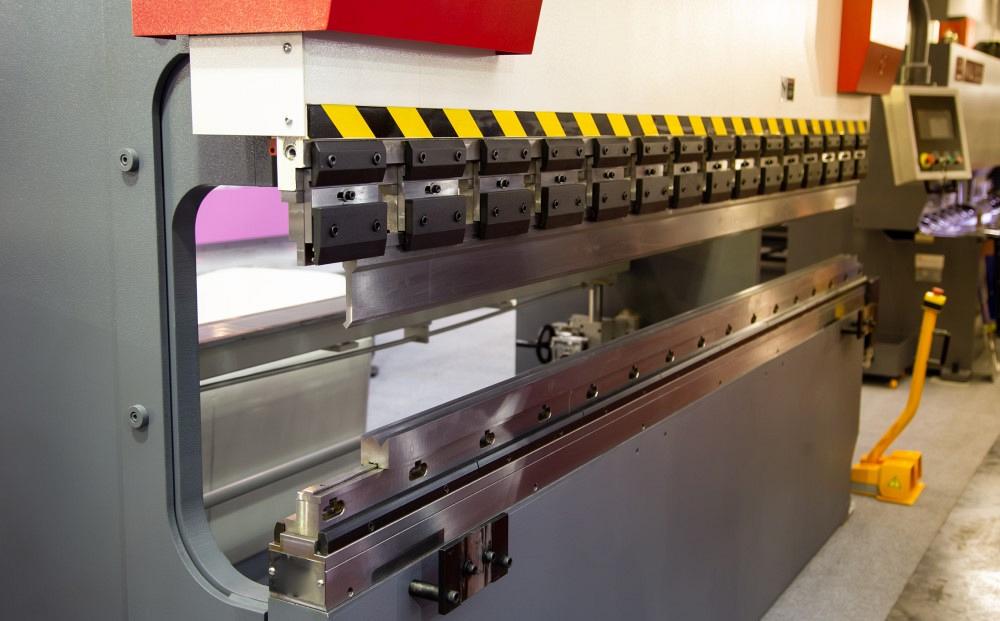
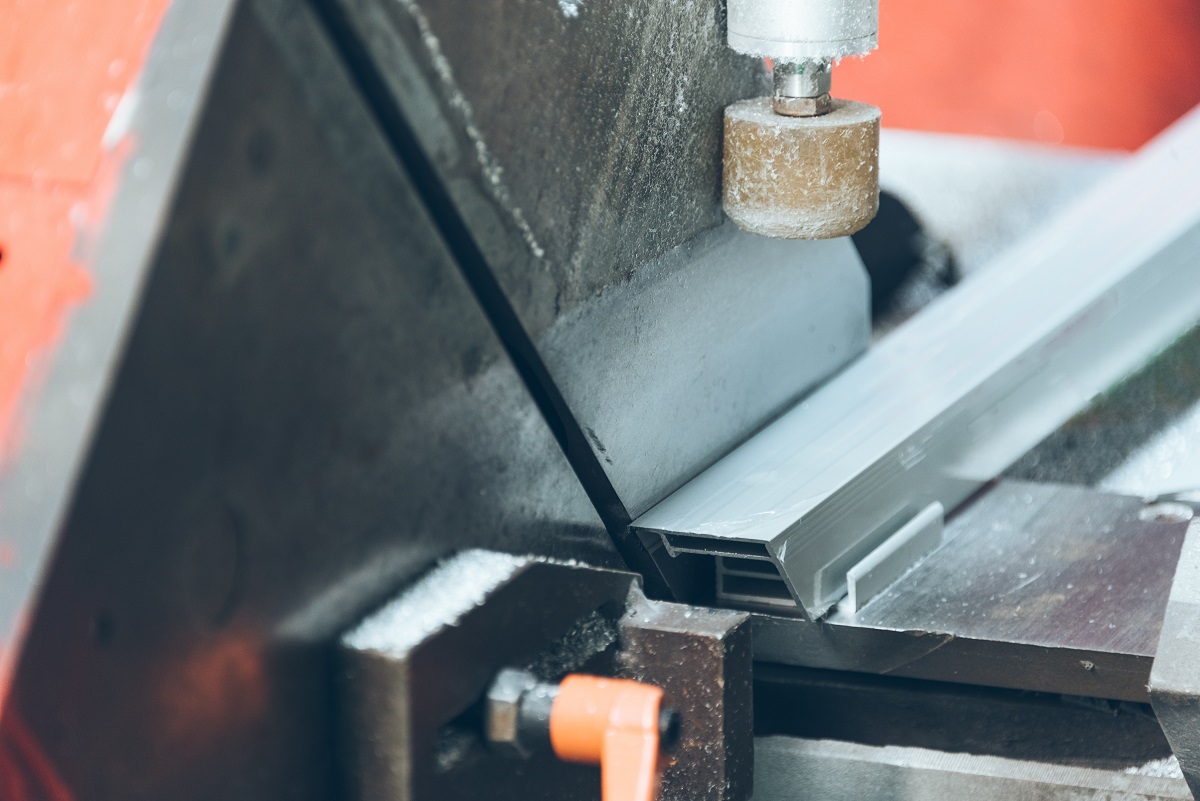
People working in the steel manufacturing industries and factories know that fabricating steel is not an easy job. Steel fabrication involves cutting, punching, stamping, shearing, and welding to get the desired steel form. Thus, the steel dealers or the manufacturers use press brakes to fabricate. Press brakes are the pressing machine or device that bends the metal sheets and plates under high pressure and strength. The bends on the metal sheets are made by clamping the matching punch and dye. However, with the help of science and technology, the press brakes machines are further classified depending upon their process. So, those working in the metal industry will at least learn and work with any of these types. Hence, a better understanding of the three types of press brakes in steel fabrication will be an additional advantage in this field. Therefore, let us know more about each press brakes type and its uses for many steel suppliers in Chennai.

Manual Press Brake:

As the name suggests, the manual press brakes are operated manually and were popular 50 to 60 years ago. These machines are also called sheet metal brakes, and the machine operators should feed the data manually. Hence, the operator should know about the machine’s dynamics and mechanics to set the angles and dimensions of the steel manually. Thus, the operator should repeatedly change the machine’s settings for different materials that too manually, which can consume more time. Therefore, these machines are used only for mass production. However, this equipment does not cost much but is not suitable for this fast-growing world. The manual press brakes are inefficient if you fabricate MS chequered plate for flooring with different angles and dimensions.

Hydraulic Press Brake:

Another popular pressing machine that matches today’s dynamic environment is the hydraulic press brakes. The hydraulic press brakes include a hydraulic cylinder that moves the machine’s RAM for the process. The hydraulic machine can bend the steel sheets up to 8cm and provide pressure around 1,200 tons. Thus, the hydraulic brake pressing machine offers greater yields and better control to the operator. The only concern about this machine is that they work within their tonnage rating and consume more power even when idle. However, it is used widely from industrial applications to the rebars and SAIL TMT bar production line.

CNC Press Brakes:

Thirdly, CNC or Computer numerically controlled press brakes are computer-aided machines that have made the operators’ job easier. These machines work on the servo motors with accessible pressure control, making the cutting more precise and accurate. The CNC press brakes have more tonnage rating and only use electrical conduction while working. The operator has only set the dimensions and angles for fabricating using the setting provided and can be changed per requirements. It is worth investing in this equipment to yield better results with lower energy consumption. 


These are the three mainly used metal pressing machines by leading steel manufacturers. Bharat Steel – the best MS steel suppliers in Chennai, offer quality metal sheets with precision and accuracy with the help of press brakes depending upon project or business.

Building Construction, Mild Steel, Steel Dealers, Steel Pipes, Steel Tubes Press Brakes, Press Brakes In Steel Fabrication, Steel Dealers, Steel Fabrication, Steel Suppliers, Three Types Of Press Brakes, Types Of Press Brakes, Types Of Press Brakes In Steel Fabrication

Metal Extrusion And Its Advantages In Various Industries

February 4, 2022
Metal extrusion

The various characteristics of the metal products have to be kept in mind before manufacturing. The steel suppliers and manufacturers should consider multiple techniques to get the desired result. Metal extrusion is one of the manufacturing processes where the raw steel materials are converted into desired shapes and sizes. So, the raw materials can be in the form of billets or a bar which is subjected to a machine that has a hollow cavity, high-force hydraulic press, and predefined cross-sectional profile. Thus, the resulting output is called extrudates. These extrudates can be any shape ranging from bars, cylindrical, longitudinal, and even steel or aluminimum based products. Thus, metal extrusion is one of the ideal manufacturing processes which yields products ranging from basic to complex at required cross-sections. Metal extrusion and its advantages in various industries are plenty that are used in commercial, industrial, and retail sectors. If the steel has undergone a galvanization process, then extrusion adds a layer of strength that makes the steel even more resistant to corrosion. Hence, listed are the advantages of using extrudates.

Flexibility:

The foremost advantage of using steel products processed from extrusion is they offer higher flexibility. As we all know, steel is one of the versatile metals and can be transformed into any shape. Similarly, steel is the ideal example of flexibility and it can undergo maximum strain and stress. For example, in motorcycles, you can see the steel spring in the shock absorber undergoes compression and returns to its original shape within seconds. Just imagine for a normally galvanized steel, the flexibility is higher than extruded steel. The reason for the extruded steel product’s higher flexibility is due to the cross-section in respect to the design. That is the reason why many industries like agricultural, automobile and even HVAC industries use extrusion processed steels for their products. Even extruded MS chequered plate is best for industrial flooring and grating over the gutter.

Precision:

Another benefit of using extruded steel is they have higher precision because of its cross-sectional profile. Precision is the most important factor in every industry or project from protecting the smallest component to complex heavy machines. For example, you need to seal the non-seamless pipes with steel products that are of accurate dimension. So, the pipe fittings undergo the metal extrusion process which offers greater precision and prevents leaks and damage during major problems. The metal extruded SAIL TMT bar are used for construction purposes due to their flexibility and precision.

Reduces welding:

Thirdly, the metal extrusion process eliminates the high-intensive process like welding. Welding is tedious and requires a lot of manual work. Sometimes you may end up wasting the material to get the desired shape. Thus, by the dedicated cross-section extrusion process, many manufacturers and JSW steel dealers in Chennai are creative in the process of the products with interlocking patterns.

Hence, these are the processes in metal extrusion that benefits every steel manufacturer out there. Bharat steel – is the best MS steel suppliers in Chennai to help their clients to get the desired extrudes.

Metal Extrusion, Steel Dealers Metal casting, Metal Extrusion, Metal Extrusion And Its Advantages, Metal Extrusion And Its Advantages In Various Industries, Metal fabrication, steel, Steel Dealers, Steel Industry

Different Types Of Metal Fabrication

January 29, 2022
Metal Fabrication

Every building or structure that you see today is nothing without steel. Steel is one of the essential construction materials that stands stable for the years to come. But have you ever thought about how steel is fabricated into the desired shape before reaching your hands? Hardly, right? However, the steel we use as tubes and pipes undergoes various fabrication processes to meet the construction requirements. So, we can say that metal fabrication is a process where the raw materials are created into desired structures by various processes. The steel suppliers in Chennai consider the different types of metal fabrication as a value-added process because it is where they are created, developed, and assembled. So, the metal fabricators work with a wide range of raw materials which includes plate metal, welding cast metal, wires, and rods. Thus, let us see the various processes involved in fabricating steel and other metal products. 

Cutting:

The foremost process involved in metal fabrication is cutting. You can say that the cutting process is one of the earliest fabrication processes and most of the MS steel suppliers in Chennai follow this method. So, typically a cutting process is used to cut the unwanted pieces despite being a ferrous or non-ferrous metal. The cutting process can include machines from basic to complex. The metal fabricators name these final metal products depending on their cuts. The cutting tools involved in the metal cutting process are backsaw, hacksaw, and coping saw. Similarly, sometimes for complex metal fabrication, metal fabricators use power tools like drilling and grinding. 

Metal stamping:

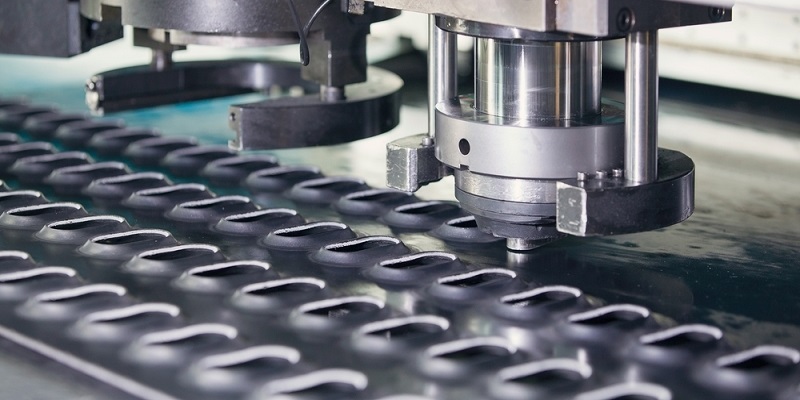
Next, a popular metal fabrication process is metal stamping. This process is more beneficial if the raw material is in the sheet format. So, the process involves transforming the flat sheets into desired shapes. These metal sheets are punched, bent, and pierced to obtain a specific shape. These stamping processes are ideal for metals, like carbon steel, stainless steel, aluminium, bronze, MS chequered plate, and various alloys. Thus, metal stamping finds its application in the automotive industry to design components like wheel hubcaps, trunk lids, firewalls, doors, and other vehicle-related parts. Another reason why metal stamping is used in the automotive industry is to customize the design as per the client’s requirements. 

Welding:

Thirdly, steels surely undergo the welding process because of high usability. Welding is a fabrication process where two or more steel or metal parts are joined together under high heat and pressure. This process includes equipment like shielding gas, consumable and non-consumable electrodes, fillers, flux, and welding machines. As there are various welding techniques involved and the most common methods are Gas Tungsten Arc Welding, stick welding, and Gas Metal Arc Welding (GMAW). These methods are used in fabricating steel pipes, SAIL TMT bar, automotive manufacturing, steel-building, and bike-making.

These are the prominent and different types of metal fabrication that are used in making components suitable for industrial sectors and everyday life. Bharat Steel is the best JSW steel dealers in Chennai for high-quality steel products that are ideal for customization and match the user’s preference.

Construction Industry, Metal casting, Metal Fabrication Different Types Of Metal Fabrication, Metal, Metal casting, Metal fabrication, steel, Steel Dealers, Steel Suppliers, Types Of Metal Fabrication

Why do many manufacturers choose laser cutting for steel?

January 22, 2022
Laser cutting for steel

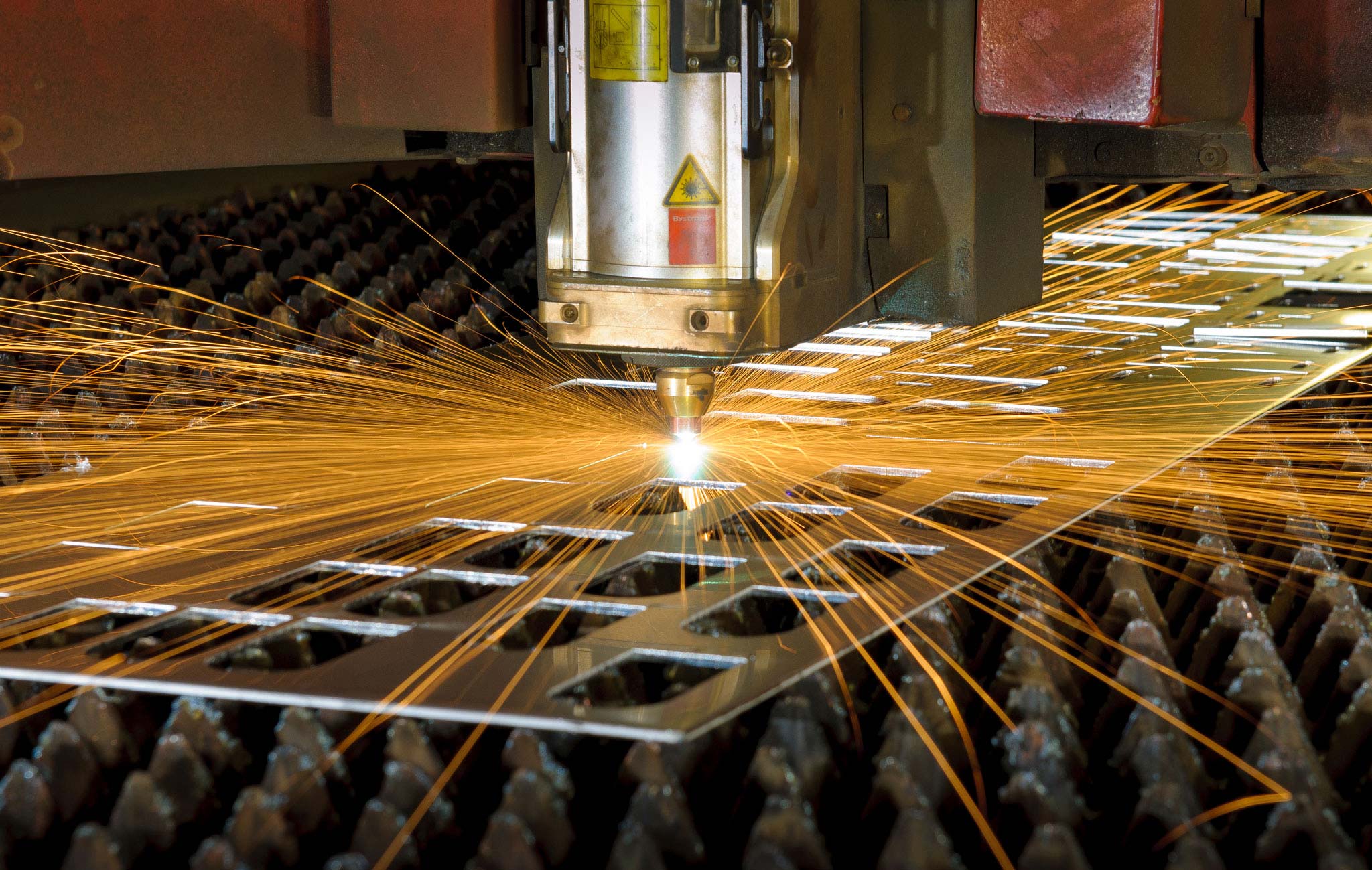
Have you ever thought about how steels are fabricated into desired shapes? Many MS steel suppliers in Chennai use different cutting methods to process and produce the steel. One of the popular fabricating methods used by steel manufacturers is laser cutting. Laser cutting uses radiation with high frequency that vaporizes, burns, or melts away the targeted material giving high-quality cutting edge and greater surface finish. Steel manufacturers control the laser beam through computer numerical control (CNC) and laser optics. Three types of lasers are used in steel fabrication, and they are CO2 laser, neodymium (Nd) laser, and neodymium yttrium-aluminum-garnet (Nd:YAG) lasers. 

However, these lasers are used for different purposes. The CO2 laser is used for steel cutting and engraving. While the neodymium (Nd) laser is used for boring the metal with high energy. The neodymium yttrium-aluminum-garnet (Nd:YAG) lasers are used for engraving and boring the steel with high power or watts. Thus, the type of lasers differs as per the needs and purpose. Hence, in this post, let us see why many manufacturers choose laser cutting for steel.

Speed:

The foremost reason why steel manufacturers use laser cutting to fabricate steel is because of their high speed. The basic concept behind laser cutting is the higher the thickness, the slower the cutting speed. So, you can say the cutting speed is directly proportional to the laser machine’s efficiency. Hence, here is a chart that says, how efficiently you can control the laser beam for different steel.

Material

Power/Watts

Cutting speed

Carbon steel

500W

1000W

13m/min

24m/min

Aluminium plate

500W

1000W

5.5m/min

10m/min

Copper plate

500W

1000W

5.5m/min

10m/min

Stainless steel

500W

1000W

14m/min

24m/min

Similarly, the cutting speed for an MS chequered plate for 1.5kW is 10m/min. The other cutting methods, like, flame or plasma cutting can consume more time. Thus, laser cutting is ideal for complex cuts.

Automation:

Secondly, laser cutting is fully automated because of the advanced technology. The other cutting methods like drilling, grinding, or burning requires human intervention to operate the process effectively. However, in laser cutting, the laser machine is fully automated by CNC and CAD/CAM programs with the necessary instruction to operate smoothly. Thus, consistency, precision, and speed are maintained throughout the process. However, you might need a rebar cutter and labor to fabricate rebars like SAIL TMT bar and steel tubes.

Reduces energy:

Thirdly, it reduces the energy significantly. The cutting speed and efficiency of the beam allow the machine to use less energy compared to other cutting methods. Generally, the laser machine consumes 10kW of energy for one cutting session. But the other cutting method consumes energy of 50kW for the same material. Thus, laser cutting is one of the energy-efficient solutions to achieve the best results.

Thus, it shows that laser cutting is the best solution for fabricating your steel as per your desire. You can approach Bharat Steel – the excellent JSW steel dealers in Chennai for quality steel products with perfect cuts. 

Building Construction, Construction Industry, Mild Steel, Steel Dealers Choose laser cutting for steel, Laser cutting for steel, Manufacturers choose laser cutting for steel, Steel chequered plates, Steel Dealers, Steel Industry, Steel Suppliers

Advantages Of The Steel Frame In The Construction Industry

December 22, 2021
Steel Frame In The Construction Industry

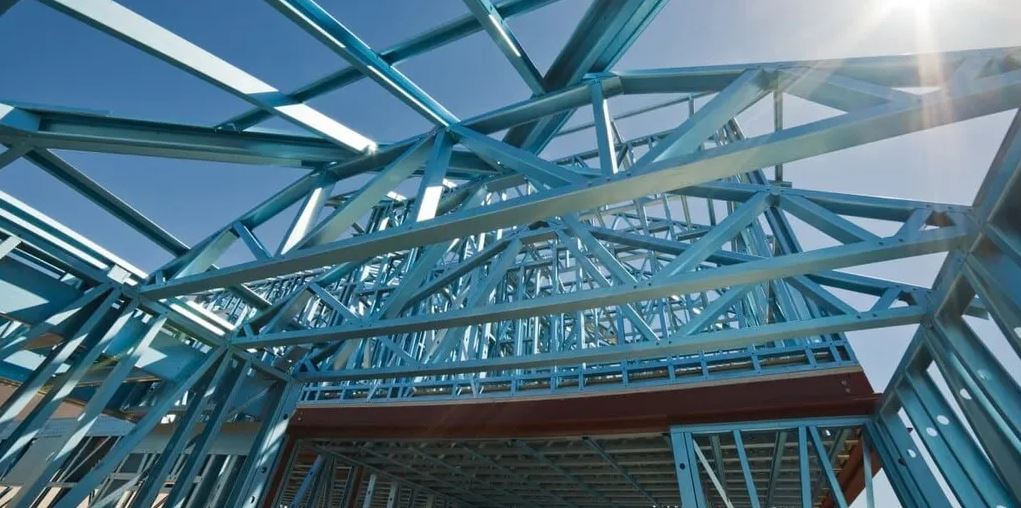
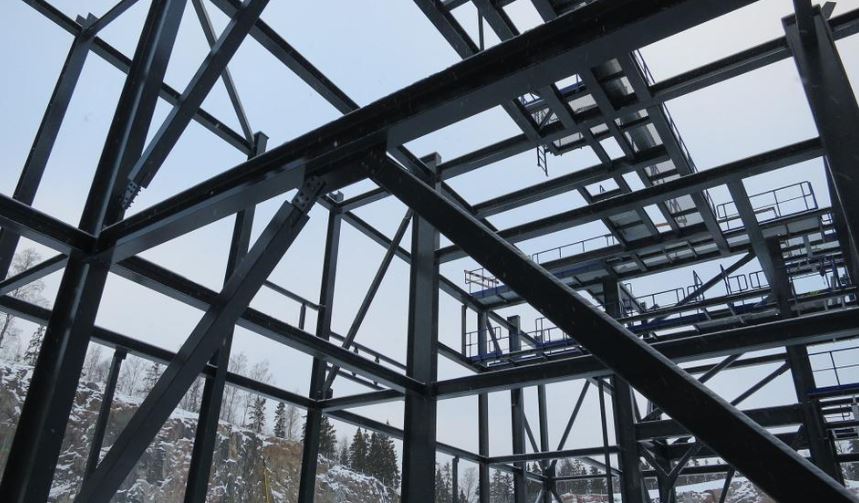
A framework is the building block for the construction industry. It serves as the backbone for the structures to sustain and remain sturdy in every situation. Hence, many steel suppliers use steel to make the framework for the construction. The steel frame is the “skeleton frame” of intersection vertical and horizontal steel beams that support the walls, roofs, and floors of the building. Thus, the quality of material determines the ability of the structure to withstand environmental factors. Hence, steel is known for its high durability and strength that makes them suitable for construction. Steel is also a preferred material for fabricators because of its versatility. These steel frames are fabricated to meet the building standards and codes. Hence, in this post, let us see some advantages of the steel frame in the construction industry.

Durable:

The foremost advantage of using steel in construction is their durability. Unlike wood, steel doesn’t get damaged by internal or external factors very easily. Steel is indeed denser compared to wood but has a better strength-weight ratio. It means the pipes, beams, and channels used in the construction have a high strength-weight ratio for the same quantity of wood. Thus, there is no doubt that steel has more durability compared to other construction materials. However, certain situations test the durability of steel like corrosion, abrasion, and many more. So, steel manufacturers use barrier coatings to last them longer. These coatings are coated even for MS chequered plate, while using them in wall and ceiling cladding.

Manages wind uplift:

Another prime factor that affects the structure is the wind. Wind uplift is a physical condition where the pressure below the roofing is higher compared to pressure above the roof. The factors that cause wind uplift are location, environment, disasters, and many more. Sometimes internal factors like design, materials, height, and framing also cause uplift variation. However, steels are the ideal solution to handle the wind uplift. It is because the wind load has sufficient stiffness against the horizontal beam load that eliminates the uplift variation. Thus, it does not affect the steel framing at any cost. Some steel manufactures use the SAIL TMT bar with steel frame in the high-rise building for more flexibility and stability.

Versatility:

Thirdly, as mentioned earlier, steel is the best example of being versatile compared to other materials. You can cut or fabricate the steel frames as per the building requirements by using heat treatments. These treatments improvise the ductility and machinability of steel. Steel frames are of different types like earthquake loads, dead loads, temperature loads, and many more. For example, a small level building requires higher loads compared to high-rise buildings. In this case, you can use steel frames that are fabricated to meet this purpose. 


Hence, these are the advantages of using the steel in frameworks of the buildings. If you want to have a sturdy frame for your building then contact Bharat Steel, the best JSW steel dealers in Chennai for high quality products.

Construction Industry, Steel Dealers, Tool Steels Construction Industry, JSW steel dealers, MS chequered plate, MS steel suppliers, sail tmt bars, Steel Dealers, steel frame, steel frame in construction industry, Steel Industry, Steel Suppliers

Methods Involved In Metal casting

December 2, 2021
Metal casting

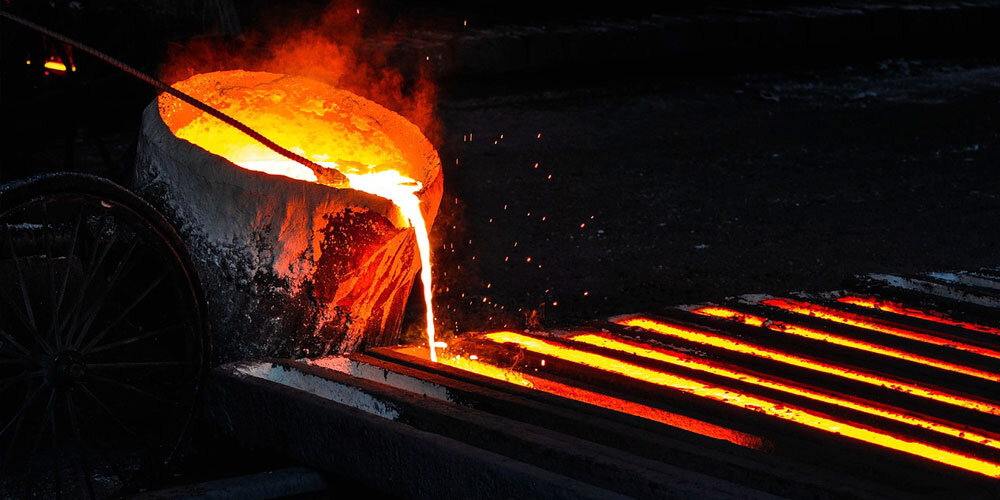
As we all know, steel is the essential core metal that every building includes. But have you ever thought about how steel gets its defined form? Metal casting is the process that transforms the steel into its desired shape or form. The molten form of the metal that is steel is poured into the desired mold. It is then allowed to cool and harden to obtain the desired shape. Hence, many MS steel suppliers in Chennai use numerous techniques to cast the metal as per the requirements. So, there are two types of molds used by various industries, and they are reusable and expandable molds. The reusable molds can be used numerous times, and the mold won’t melt in the process, whereas the expandable molds can’t be reused. Hence, in this post, let us know the methods involved in metal casting.

Permanent mold casting:

This type of casting comes under reusable molds or permanent molds. It is a simple process where the molten steel is poured into the mold. Then it is allowed to solidify to obtain the desired shape. The only thing to remember in this process is that the mold must have a higher melting point than the molten steel that is poured. Hence, metals that have low melting points like aluminium, zinc, copper, and tin are preferred in permanent mold casting. In some cases other than the specified alloys, iron casting is also done in this mold. Many steel dealers heat the permanent mold before pouring the molten metal. The high temperature causes the molding to break if precautions are not taken.

Semi-permanent mold casting:

Another type of steel casting is semi-permanent mold casting that comes under reusable molds. This mold consists of two halves with a sand core in the center. The molten steel is poured into the mold cavity surrounding the sand core. Then, after cooling them for a while, the casting is removed with sand core leaving a passage in the casted product. This type of mold casting is suitable for alloys and metals because the mold can be reused. But ensure that the sand has to be changed each time for casting. Hence, the term is called semi-permanent mold casting. This type of casting is used to make valve bodies, torque converters, MS chequered plate, blowers, and many more.

Slush mold casting:

It is also a steel metal casting that comes under reusable molds. The slush mold casting is also suitable for alloys and metals to create a hollow cast in the center. The molten steel is poured into the mold cavity and allowed to cool. The steel hardens over time and starts to form a shell-like structure. Finally, the remaining liquid is poured out to form a hollow shell. This type of molding is used to make low-weight steel casting.

Similarly, the construction industry uses the SAIL TMT bar for building bridges, flyovers, and many more. In some places, Cast iron TMT bars are used to meet the requirements. Hence, depending upon needs and purpose, steels are fabricated by various casting methods.

Metal casting Metal casting, Metal casting Method, Metal fabrication, Steel Dealers, Steel Suppliers

What Are The Uses Of Steel Channels?

November 26, 2021
Uses Of Steel Channels

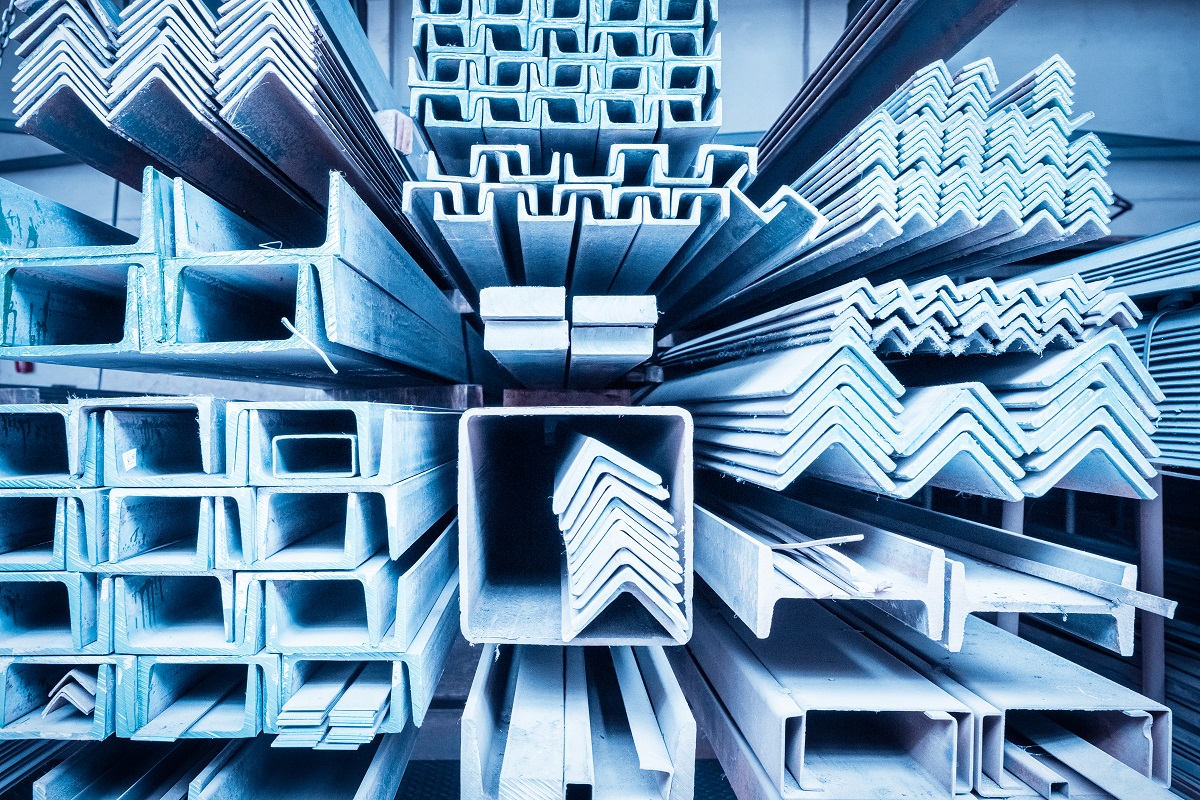
Have you ever heard of steel channels? It is one of the common steel products that is used in the construction industry to build structures. The main purpose of the steel channels is to support the building in every aspect. These channels are hot-pressed below their recrystallization temperature and rolled to form the structure. Hence, these are reshaped to form the C-shaped or U-shaped cross-section channels. The steel suppliers manufacture the channels with two distinct flanges that run parallel to each other with inside have a flat area with a specific radius to support the structures. These channels provide greater support, rigidity, and strength to hold steel angles or other constructional projects. Hence, these channels can hold any buildings despite the size. Therefore, in this post, let us see the uses of steel channels in various projects.

Bridges:

The steel channels are commonly used in bridges to provide additional support and stability. Bridges are an important construction because it is used by many vehicles to travel. There is a wide range of vehicles from two-wheelers to eight-wheelers. Hence, you need a sturdy as well as highly stable structure to withstand the capacity. Therefore, steel channels assist to keep the bridge components intact. It also supports the MS chequered plate placed in the walls and ceiling cladding. Steel channels have incompatible durability when compared to other steel products. As steel is a long-lasting material the maintenance and repairs are minimal. Hence, steel channels play a vital role in the construction industry.

Wall studs:

Another area of application where the steel channels are used is the wall studs. These are the vertical framing in a building’s wall with smaller or larger cross-sections. So, these wooden framings are 2 or 4 inch beams that are found in your building’s inner part of walls or windows. Similar to bridges, these steel channels provide support to different structures like paneling, cement, drywall, and many more. In some cases, where there are bare wall buildings, these steel channels act as a modern design and enhance the outlook of the building. You can also purchase mild steel channels from JSW steel dealers in Chennai for high-quality steel.

Rafters:

Thirdly, these steel channels can be used as rafters in the roofing. Rafters are a structural component found as a part of roof construction. You can rafter in wall plates, joists, battens, and many more. Hence, many construction contractors use steel channels for a stable structure. So, when the roofing load creates additional pressure on the ceiling the steel channels act as a support and distribute the weight evenly.

Hence, these are the primary benefits of using steel channels in the construction industry. The SAIL TMT bar and steel channels serve the same purpose of supporting the building structure effectively. So, choose the steel rafters to improve the safety for a longer time.

Steel Dealers, Types Of Steel, Uses Of Steel Channels steel, Steel Dealers, Steel Suppliers, Uses Of Steel Channels

Posts pagination

Prev 1 … 4 5 6 … 8 Next

Recent Posts

  • How Execution Systems Fail When Steel Supply and Site Planning Are Misaligned
  • How Chequered Plates Behave Under Real Working Load in Industrial Environments 
  • Avoiding Supply Delays: How Steel Distributors in Chennai Impact Project Timelines 
  • How MS Beams Over-Specification Creates Hidden Cost Pressure Without Improving Safety Margins
  • Steel Procurement Strategy for Large Projects in 2026: Lock Prices or Spot Buy?

Idealist by NewMediaThemes